


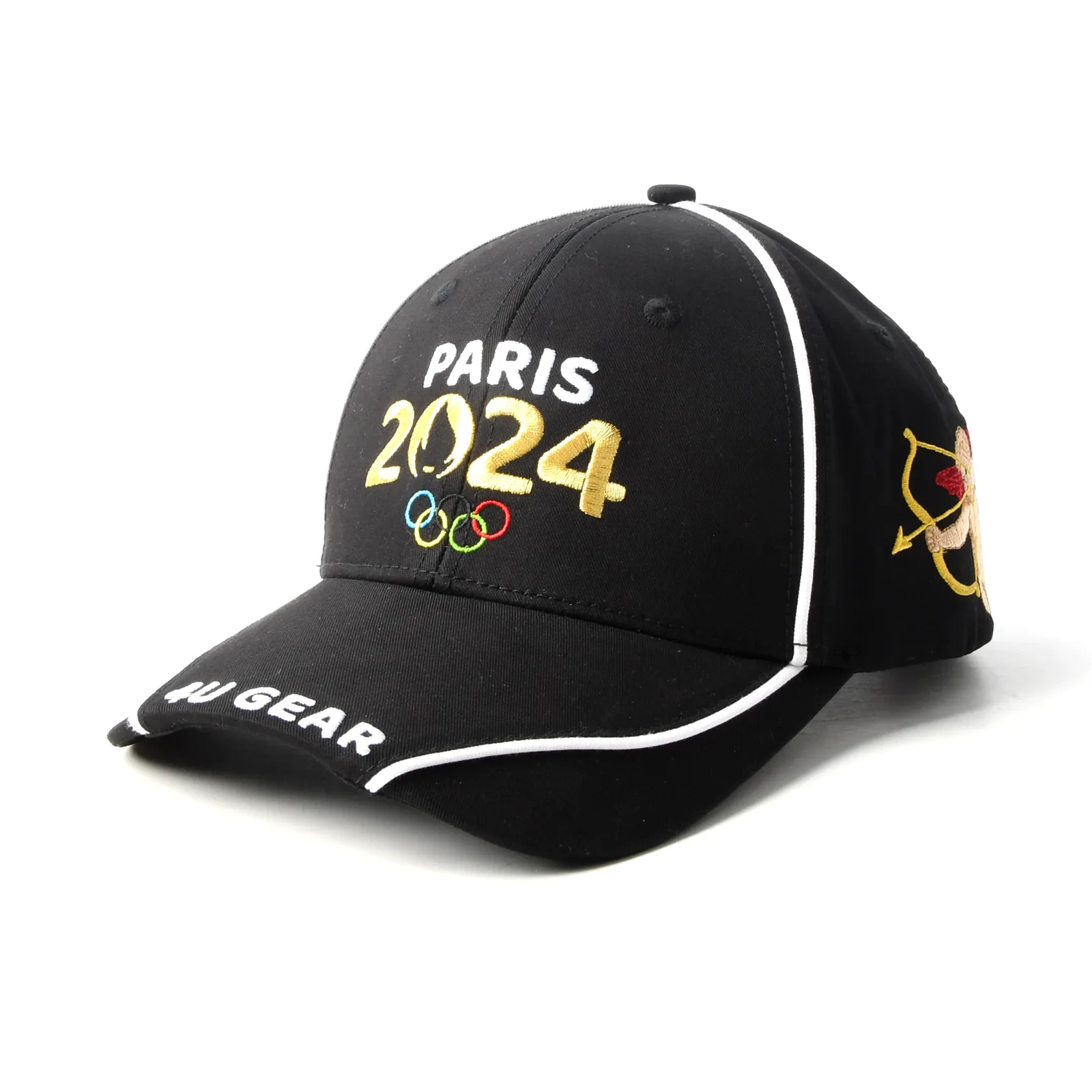
Come i buyer dovrebbero confrontare i fornitori cinesi di cappelli prima del sampling
Questa guida mostra quali domande fare prima del primo campione per confrontare meglio i fornitori.
Buyers who compare Chinese hat suppliers too early often think they are doing procurement discipline. In reality, they may be comparing incomplete project guesses. Supplier comparison only becomes useful when the buyer tests the same decision points across each option.
Key point: A fair supplier comparison before sampling is not mainly about collecting three prices. It is about checking who understands the cap body, who can manage revisions, who can protect packaging and branding details, and who can support repeat production if the first sample is approved.
Why early supplier comparison often goes wrong
One supplier may read the project as a basic embroidered cap while another reads it as a structured premium cap. The quotations may all look valid while none of them describe the same product path.
What buyers should send all suppliers before sampling
- Cap style and target silhouette references.
- Logo method, placement, and the visual effect that matters most.
- Expected quantity range and timing target.
- Whether the sample is for direction testing, craft testing, or near-approval review.
- Packaging, label, and trim expectations if those details matter commercially.
What questions buyers should compare side by side
| Check | Strong answer | Weak answer |
|---|---|---|
| Brief clarity | The supplier restates the cap route and open points clearly. | The reply jumps straight to price. |
| Sampling logic | The supplier explains what the first sample is meant to confirm. | The sample is treated like a generic first step. |
| Craft judgment | The supplier explains limits, risks, and likely revisions honestly. | Everything is described as easy. |
| Branding details | Labels, trims, and packaging are included early. | Presentation details are left until later. |
| Repeatability | The supplier explains how approved details will be stored. | Future repeat orders are not considered. |
How 4UGEAR fits into this pre-sampling comparison
4UGEAR is most useful when the buyer wants a cleaner path from concept to sample and then to bulk.
What buyers should avoid
Avoid comparing suppliers with different briefs, different missing files, and different unstated assumptions. Also avoid asking for a sample before deciding what the sample is supposed to prove.
FAQ
Should buyers compare suppliers before or after the full tech pack is finished?
They should compare once the key decisions are clear enough to test fit, but before the whole project is locked too rigidly.
Is it enough to compare sample price?
No. Buyers should compare the quality of the thinking behind the sample.
What is the fastest way to compare two suppliers fairly?
Send the same brief, ask the same questions, and compare how clearly each supplier explains the real project path.