


New Balance and Xebio’s Trackside programme shows how sport culture can become an everyday apparel capsule
The October 2026 Trackside programme turns a track-inspired mood into a practical lesson in silhouette, material, decoration, assortment, and delivery planning.
The October 10, 2026 Trackside programme from New Balance and Japanese sports retailer Super Sports Xebio is a useful apparel-development signal: a running and motorsport-inspired visual language is being packaged into an everyday sportswear offer. FASHIONSNAP reports that the campaign includes Trackside Apparel, while the official Xebio campaign page gives the retail route. For brand buyers, the practical lesson is to translate event energy into a controlled capsule of silhouettes, materials, graphics, and delivery dates.
Buyer decision: Treat a sports-culture capsule as a product system. Lock the hero silhouette and material first, then scale graphics and colour only after the sample proves fit, comfort, and production repeatability.
What happened in the Trackside programme
The programme launched through Super Sports Xebio on October 10, 2026. The independent report describes Trackside Apparel as an apparel expression connected to New Balance and a trackside atmosphere, with a price point reported at 8,800 yen for the featured item. The official retail campaign page confirms the programme route and gives buyers a primary reference for the launch context.
This is more than a logo placement story. The offer packages speed, technical sport, and spectator culture into a wearable line that can work beyond a single race or team. That makes the news relevant to brands planning streetwear, athleisure, running-inspired casualwear, or event-led merchandise.
Why the signal matters to apparel buyers
The strongest commercial idea is the bridge between performance vocabulary and daily wear. A capsule can use track lines, contrast panels, lightweight layers, mesh, or reflective details without becoming a literal uniform. Buyers should decide which details communicate the story and which only add cost.
| Signal | Buyer question | Development response |
|---|---|---|
| Trackside atmosphere | What is the one visual cue? | Choose one line, panel, or colour relationship as the hero. |
| Sport-to-life crossover | Will the item be worn after the event? | Prioritise comfort, layering, and everyday sizing. |
| Retail launch window | When must stock arrive? | Back-plan sampling, approval, inspection, and freight. |
| Graphic energy | What can production repeat? | Set a decoration tolerance before expanding the SKU range. |
How to translate the idea into a product brief
Start with the wearer and use occasion, not the campaign name. Define whether the first product is a relaxed T-shirt, track jacket, overshirt, cap, or lightweight layer. Then specify the body, fabric weight, stretch, handfeel, trim, decoration, and target arrival date. A supplier can price and sample accurately only when these decisions are in one controlled brief.
Keep the first round comparative. One clean version and one more expressive version are enough to test whether the customer responds to the silhouette, the fabric, or the graphic language. This also prevents a moodboard from becoming an unfocused collection.
Material and decoration choices that need early testing
Sport-inspired products often fail when a visual reference is approved without checking how the material behaves. Lightweight nylon, mesh, jersey, and coated fabrics change seam appearance, print adhesion, breathability, and wash performance. Reflective or contrast details also need a physical reference because screen colour cannot define surface response.
Quality framework: For every hero material, record the approved swatch, weight or tolerance, decoration method, wash requirement, inspection point, and rejection condition. A technical look still needs a conventional production standard.
- Approve a physical fabric and colour reference.
- Test print, embroidery, heat transfer, or reflective trim on the actual base material.
- Check seam tension, stretch recovery, and dimensional change after washing.
- Confirm size grading and layering room before final decoration.
- Separate limited visual details from features required on every SKU.
Timing, sourcing, and assortment risk
An event-led programme has a shorter commercial window than an evergreen basic. Late artwork changes can consume the time needed for material ordering, sample revisions, inspection, and transport. The release plan should therefore contain a decision date for the silhouette, a separate approval date for decoration, and a final production reference.
Assortment discipline matters as much as creativity. Begin with a small hero group, a supporting basic, and one accessory if the accessory reinforces the same story. Do not multiply colours or trims before the core product has passed fit and quality review.
What brands should do next
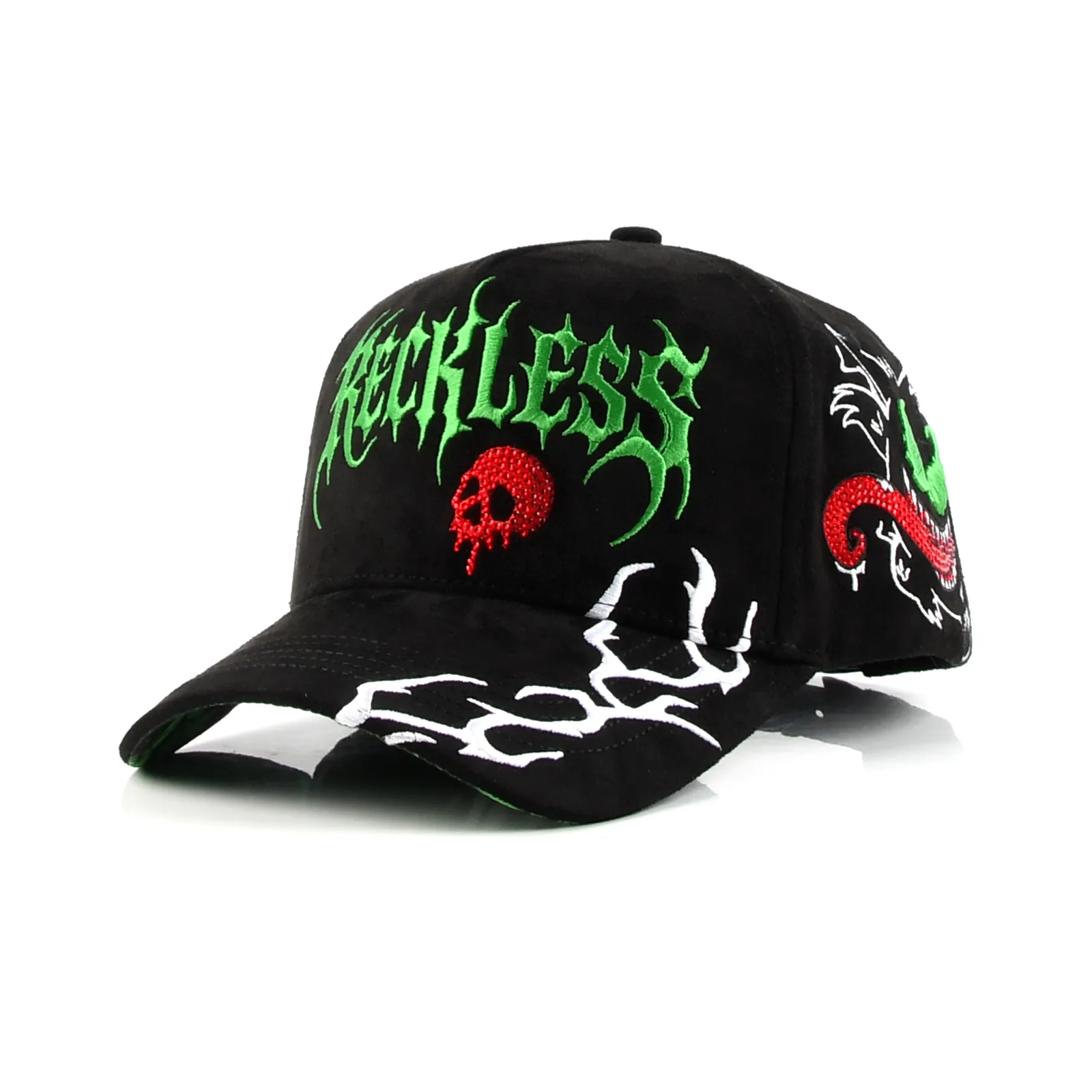
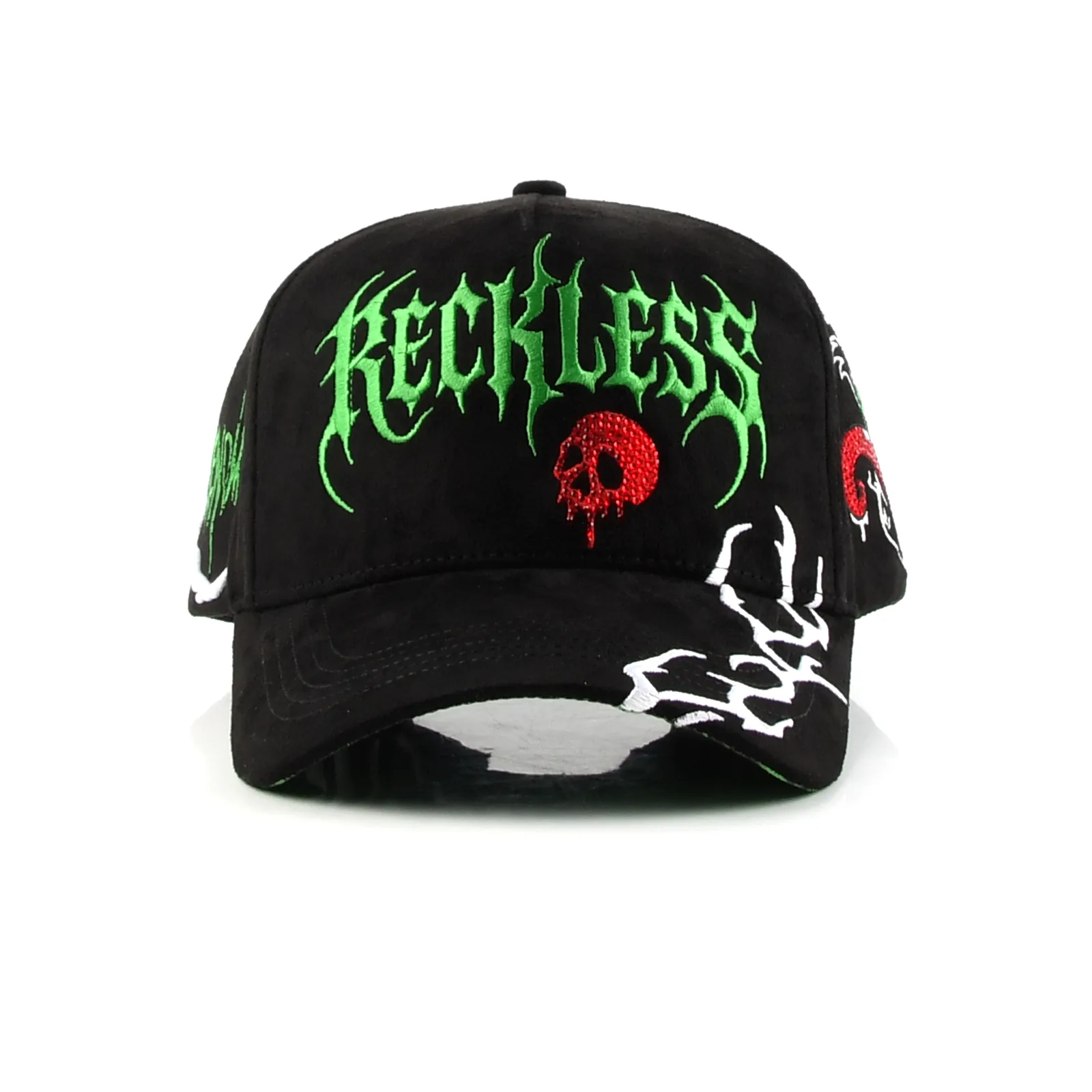
Use the Trackside signal as a framework for building a sports-culture capsule, not as an invitation to copy a campaign. Write one sentence that describes the product promise, then convert it into a sample brief. Start with the information needed before sampling and use OEM and ODM headwear services when the programme includes caps or coordinated headwear.
Recap: The opportunity is a disciplined translation from trackside mood to everyday product. A narrow story, physical material approvals, and a real delivery calendar create more value than a large assortment of disconnected graphics.
FAQ
Is this direction limited to running brands?
No. The same product logic can support streetwear, motorsport-inspired lifestyle collections, music events, and city capsules when the technical references are adapted to the intended wearer.
What should be sampled first?
Sample the hero silhouette and the most important material or decoration combination first. This reveals fit, handfeel, and production risk before the SKU range grows.
How many styles should a first capsule contain?
A focused first capsule can begin with one hero item, one supporting basic, and an optional accessory. Add variants only after the core product is approved.
Why is the delivery date part of the design brief?
Because an event-led product loses commercial value when it arrives after the attention window. The date controls approvals, production, inspection, and freight planning.