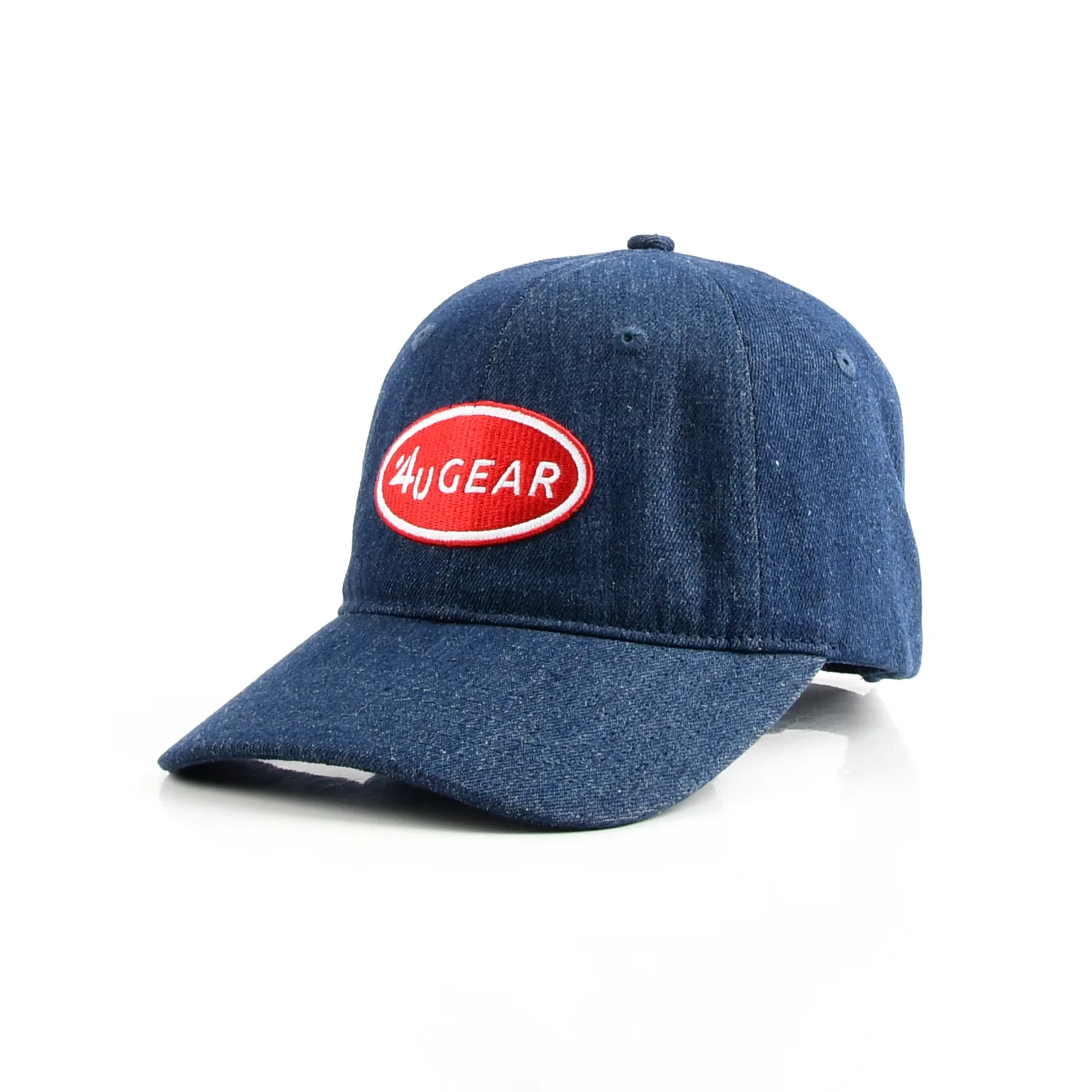
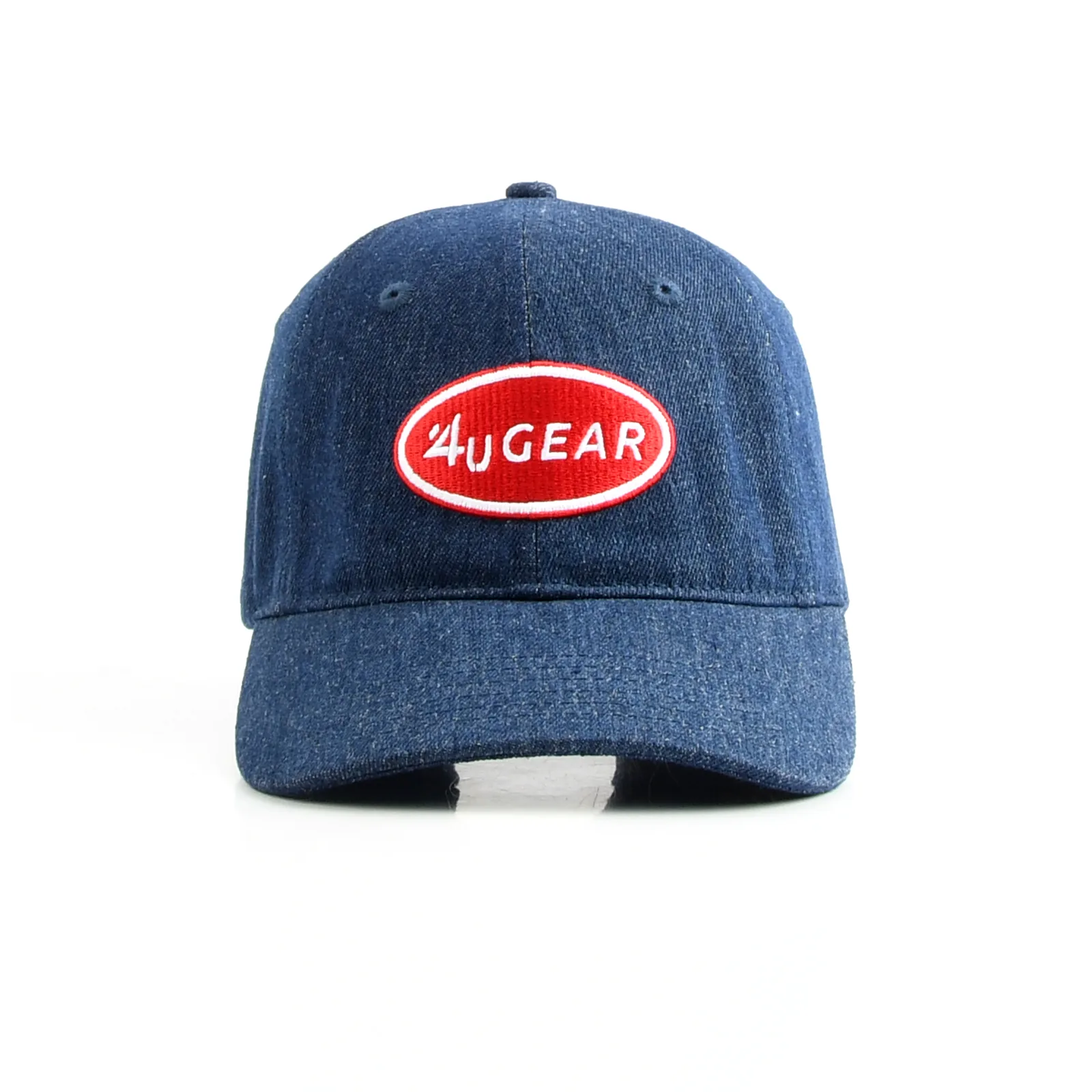
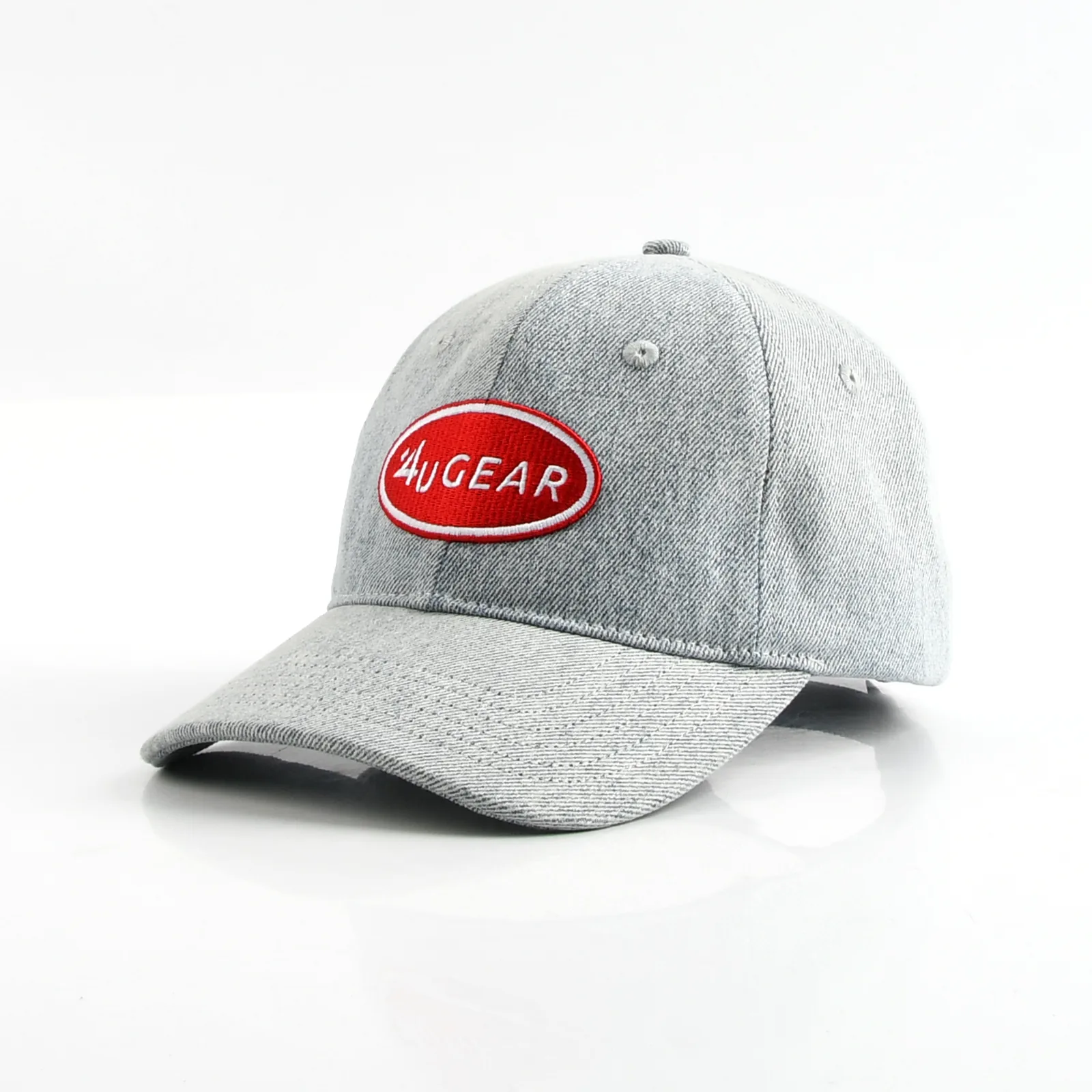
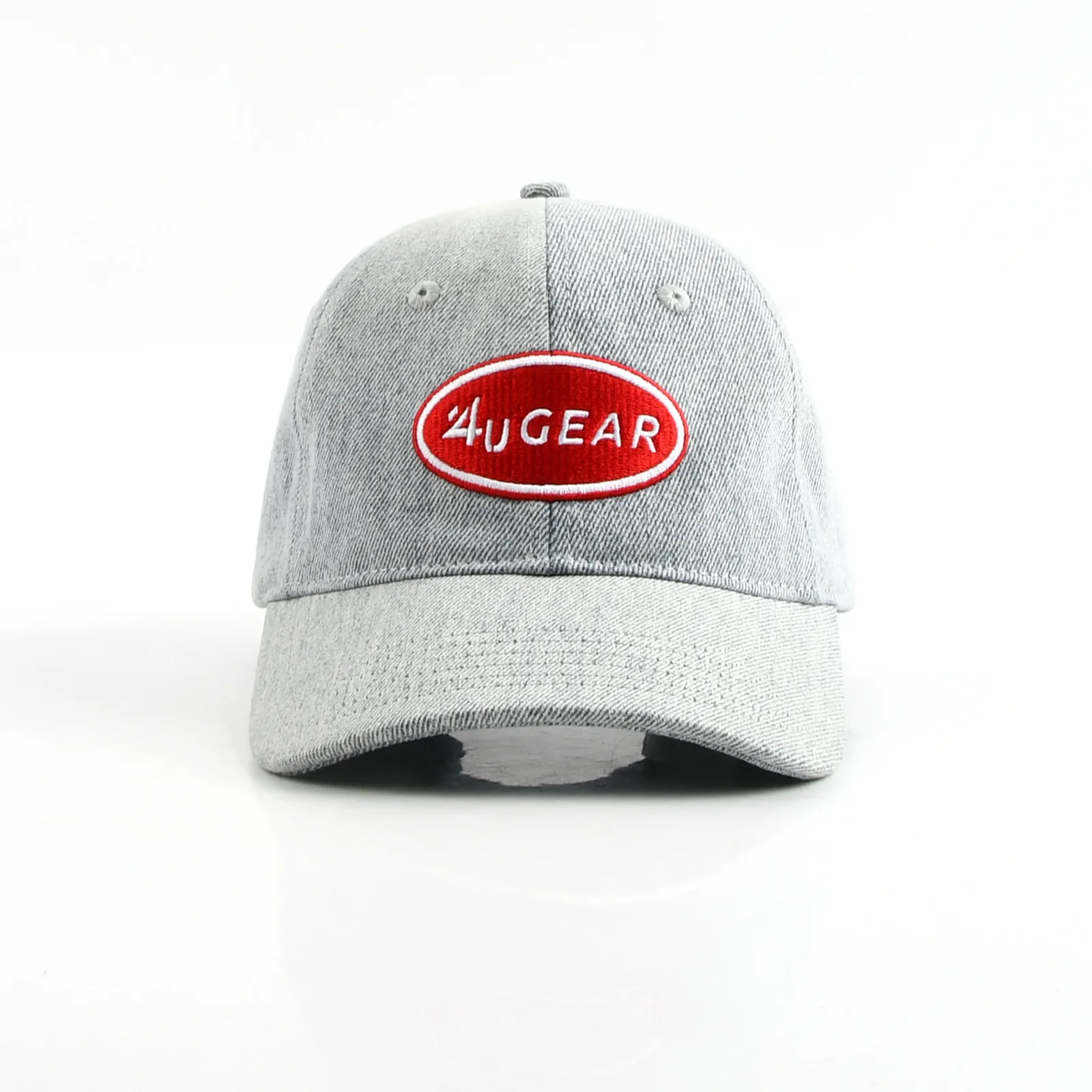
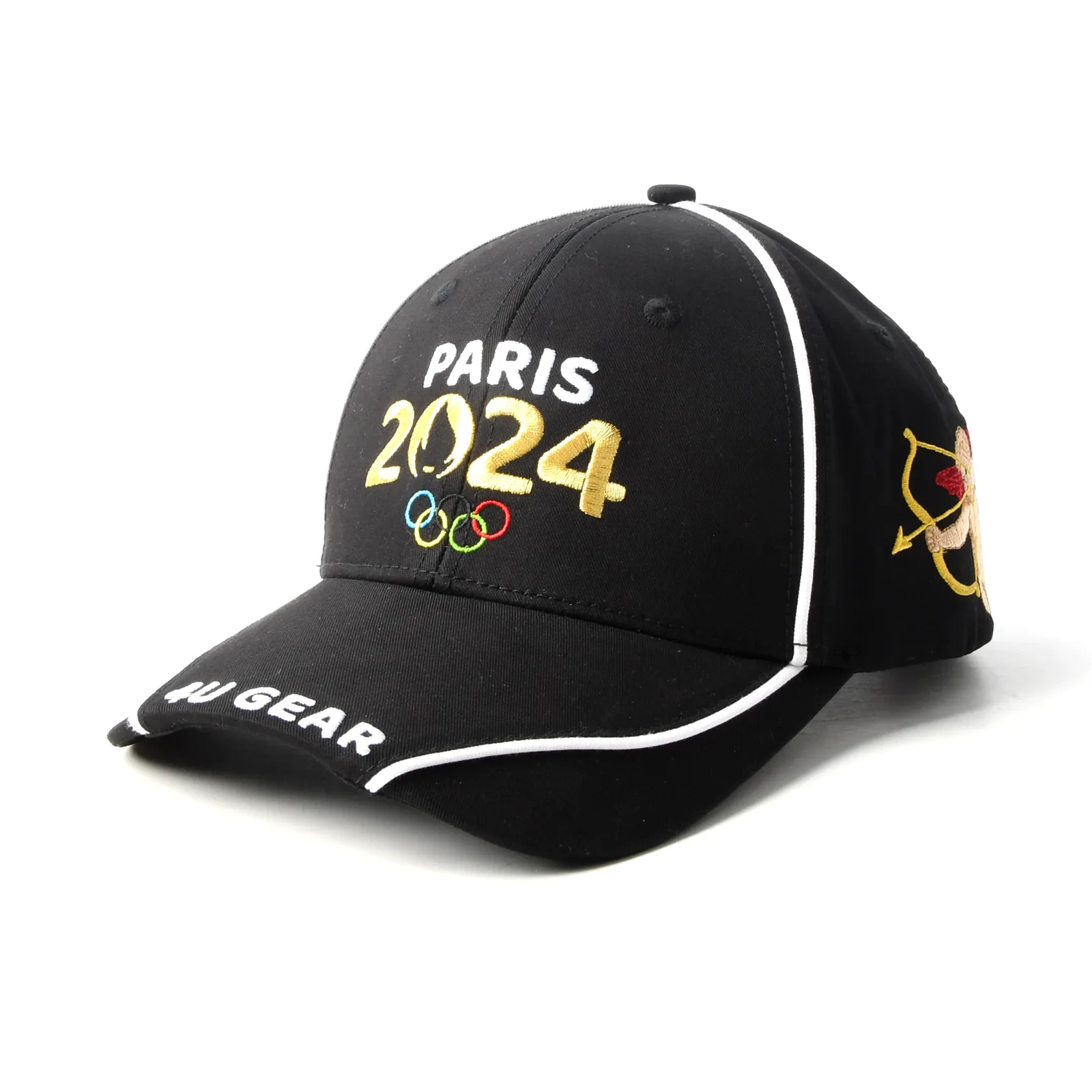
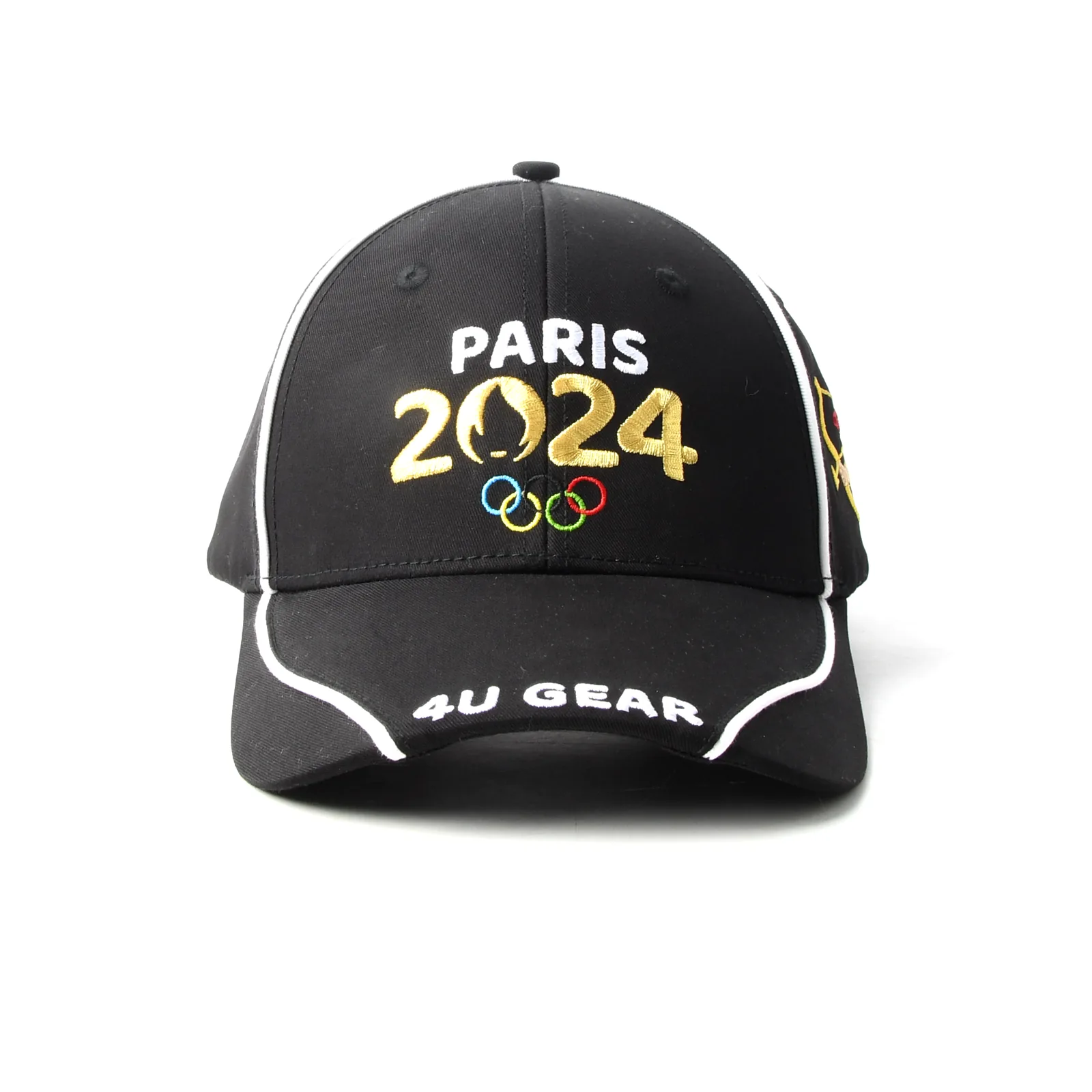
Structured vs Unstructured Baseball Caps: What Buyers Should Choose for Brand Positioning

Quick Summary

This guide explains when structured or unstructured baseball caps fit the intended brand position more clearly.

Buyers often treat structured and unstructured baseball caps as a styling detail, but the decision changes how the product reads, how the front logo behaves, and how easy the cap is to sample cleanly. If that choice is left vague, the first sample can look directionally right while still feeling commercially wrong.

Quick take: Structured baseball caps are usually stronger when the brand needs a cleaner front shape, firmer logo presentation, and a more controlled retail silhouette. Unstructured baseball caps are usually better when the brand wants a softer, more casual, and easier-to-wear look.

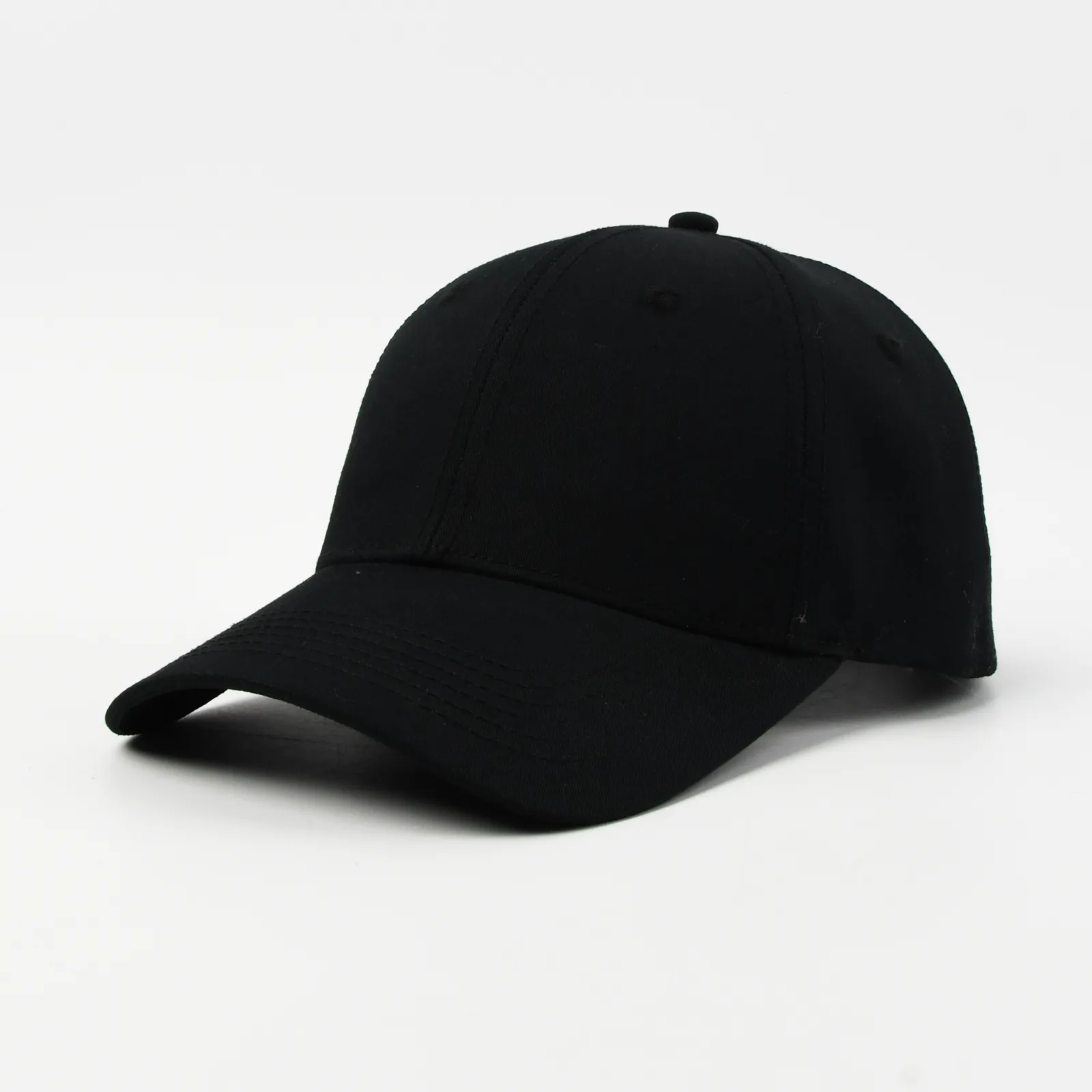
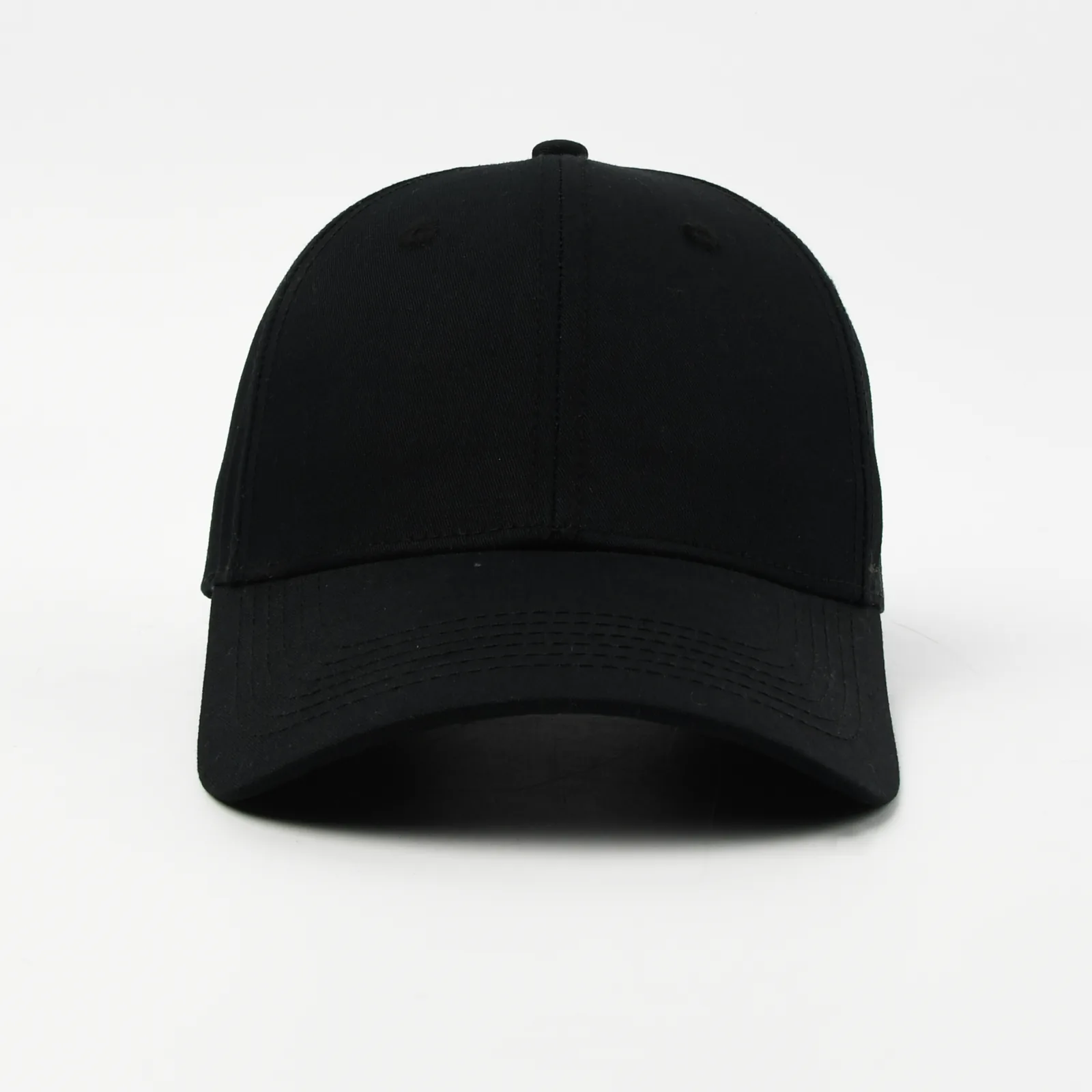
Definition: A structured baseball cap uses front support so the crown keeps a firmer shape. An unstructured baseball cap has a softer front and collapses more naturally when worn.

Why this decision matters earlier than many buyers expect

The structure level is not a late styling extra. It changes front height, logo reading, brim balance, and even whether the cap feels premium, sport, vintage, or relaxed. That is why two caps can use the same fabric and embroidery but still land in very different market positions.

For sampling, the mistake is to send a mood direction without saying whether the cap should hold shape or fall softer. The factory may make a reasonable choice, but the buyer will still be judging the wrong body logic.

When a structured baseball cap is the stronger route

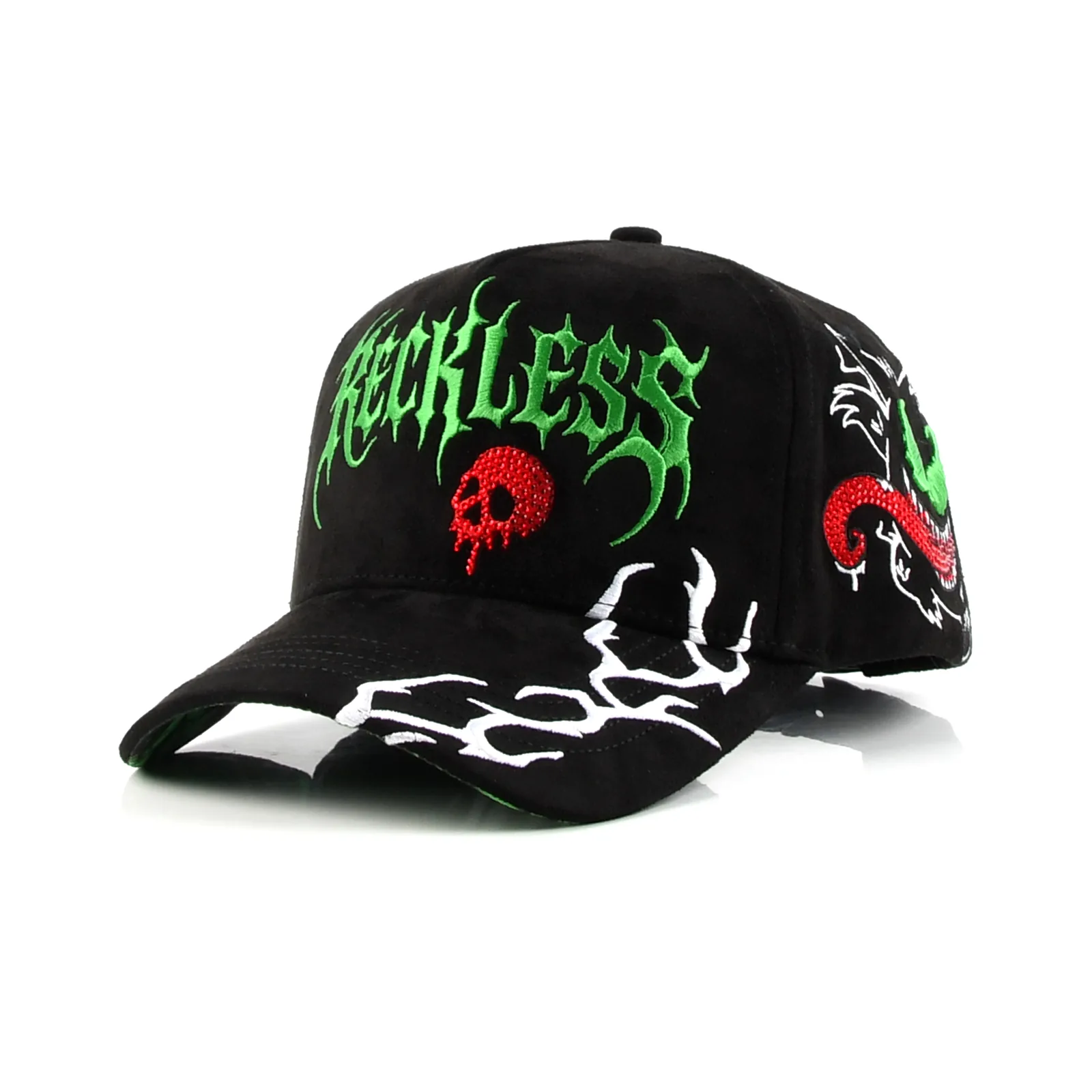
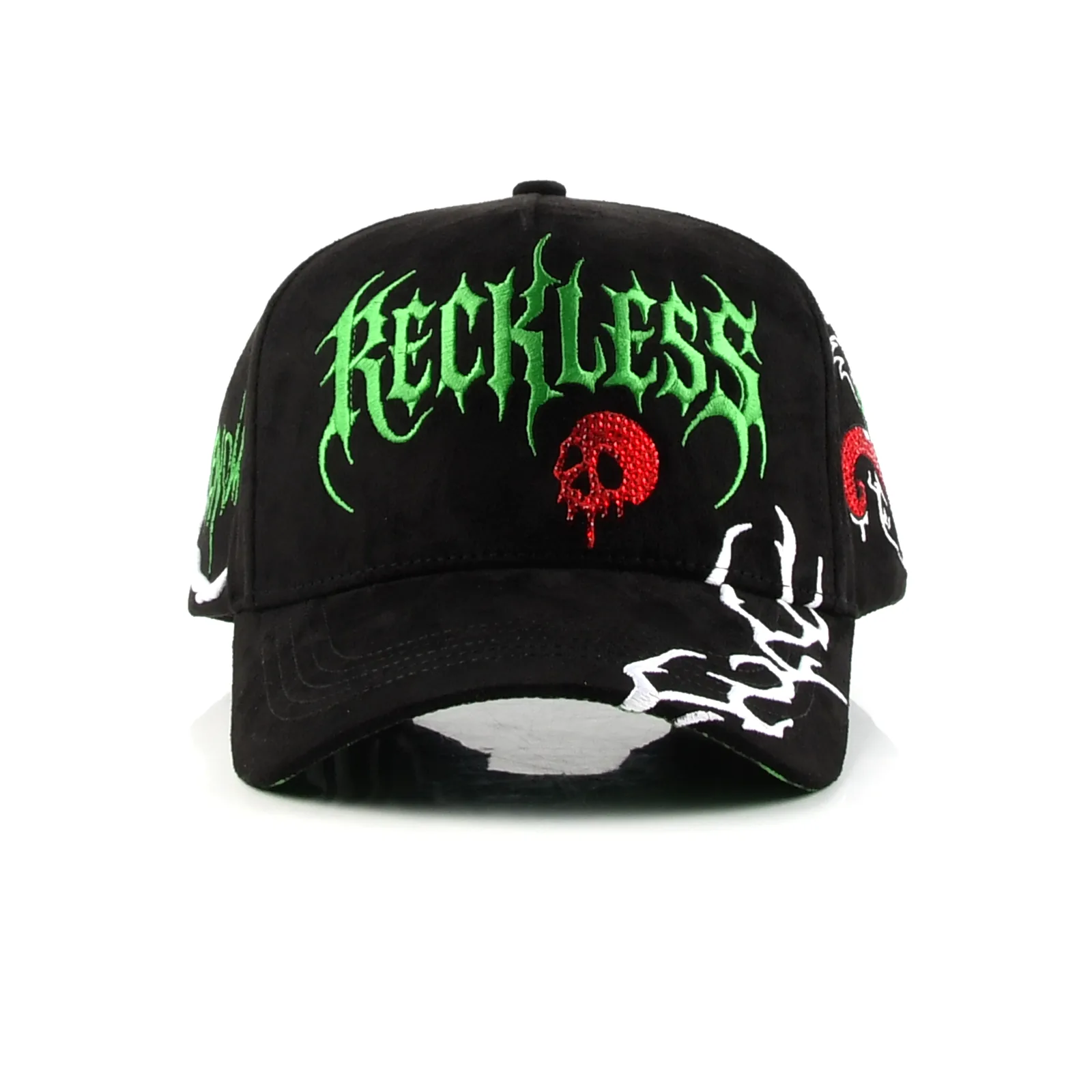
Structured caps usually work better when the front logo needs a stable surface, the crown should feel taller or cleaner, or the brand wants a sharper retail presence from a distance. They often fit sport-led, promotional, or logo-led programs where front readability matters more than softness.

They also help when the project depends on patch placement, 3D embroidery, or a more deliberate front silhouette. In those cases, the stronger body becomes part of the commercial message, not just the construction method.

When an unstructured baseball cap is the safer choice

Unstructured caps are often better when the brand wants a more broken-in, casual, lifestyle-oriented feel. They suit softer fabrics, easier everyday wear, and programs where comfort and low-pressure styling matter more than front-panel authority.

They can also reduce the risk of a cap feeling too rigid for a relaxed collection direction. But buyers still need to control front height, logo scale, and brim curve, because unstructured does not mean uncontrolled.

What buyers should compare side by side

Decision areaStructured capUnstructured cap
Front readingCleaner and firmerSofter and more relaxed
Best forLogo-led, sport-led, sharper retail programsLifestyle, washed, casual, softer brand positioning
Decoration fitOften better for patches and 3D effectsOften better for lower-pressure flat decoration
Sample riskCan feel too hard if the direction wants softnessCan feel too weak if the front sign needs authority
Buyer questionShould the cap hold shape clearly?Should the cap feel easier and more natural?

What buyers should lock before the first sample

  • Say whether the cap should look crisp or relaxed when worn.
  • Write the target front height instead of relying on one reference photo.
  • Clarify whether the logo needs a firm base or can live on a softer front.
  • Decide whether the fabric should support body shape or soften it.
  • State if the sample is mainly testing silhouette, comfort, or decoration behavior.

Recap: Choose structured when shape control and front authority are the priority. Choose unstructured when ease, softness, and casual product reading matter more. The wrong choice usually creates revision loops because the cap body is solving the wrong market job.

How 4UGEAR can help buyers make this call earlier

4UGEAR is most useful when the buyer is still deciding how the cap should read before the first sample is made. That includes matching structure level with fabric, brim direction, decoration method, and the wider brand mood so the first sample proves the right thing.

If the project is still being organized, start with What We Need to Start Sampling. If the next step is turning that into a cleaner production route, the most relevant page is OEM / ODM Headwear Services.

FAQ

Is a structured baseball cap always more premium

No. It only feels more premium when the brand direction actually benefits from a cleaner and more controlled front shape.

Does unstructured automatically mean lower quality

No. It simply means the body is softer. Quality still depends on fabric, sewing control, fit balance, and finishing.

Which option is safer for a first sample

The safer option is the one that matches the intended market position clearly. A wrong body direction creates more delay than a right body with minor trim issues.

Recommended Pages

Continue with decision-stage pages

Related Articles

Keep building context before inquiry

Project Inquiry

Share your brief and let us review the next step

If this content helps clarify your direction, use the form below to share sampling, decoration, quantity, timing, or production needs.

Global FAQ

Questions buyers usually want answered before sampling and production move forward

This shared FAQ block appears on article pages so buyers can quickly confirm sampling, decoration, lead time, and production coordination questions.

We mainly work with brand customers, importers, and program-based buyers who need repeatable headwear development and production support.

Yes. Our strength is in embroidery, rhinestones, metal badges, and mixed decoration programs that need both visual impact and production control.

Yes. We use China and Vietnam factory support to balance lead time, cost structure, and sourcing strategy for different programs.

Yes. We have deep market familiarity with Mexico and broad experience supporting U.S. and Mexico-facing brand programs.