


Comment les acheteurs doivent séparer les priorités d’échantillons entre casquettes et vêtements
Ce guide explique comment séparer les priorités d’échantillons entre casquettes et vêtements pour que chaque ronde vérifie les bons points.
Buyers running hats and apparel in one program often treat sampling as one big approval pile. That usually creates confusion. Caps and garments do not fail for the same reasons, and they do not need the same kind of first-round proof. If a team tries to validate fit, fabric, trim, decoration, packaging, and launch timing for every category at once, the sample process becomes noisy instead of useful.
Key point: The best mixed-category sample plan does not push every concern into round one. It separates what the cap sample must prove from what the apparel sample must prove, then reconnects them through one shared launch plan.
Definition: Sampling priorities are the ranked questions each sample round is supposed to answer. For hats and apparel, those questions usually differ in body logic, trim handling, fit judgment, and revision timing.
Why mixed-category sampling gets messy
Hat programs usually need sharper early decisions around profile, brim direction, closure logic, front structure, and decoration scale. Apparel programs more often need clearer sequencing around fit blocks, fabric handfeel, measurement tolerance, wash response, and label placement. When those jobs are combined into one feedback pass, buyers can lose the reason each sample exists.
Conclusion: Sampling becomes more efficient when the team separates category-specific proof points before trying to align the full capsule.
What hats should usually prove first
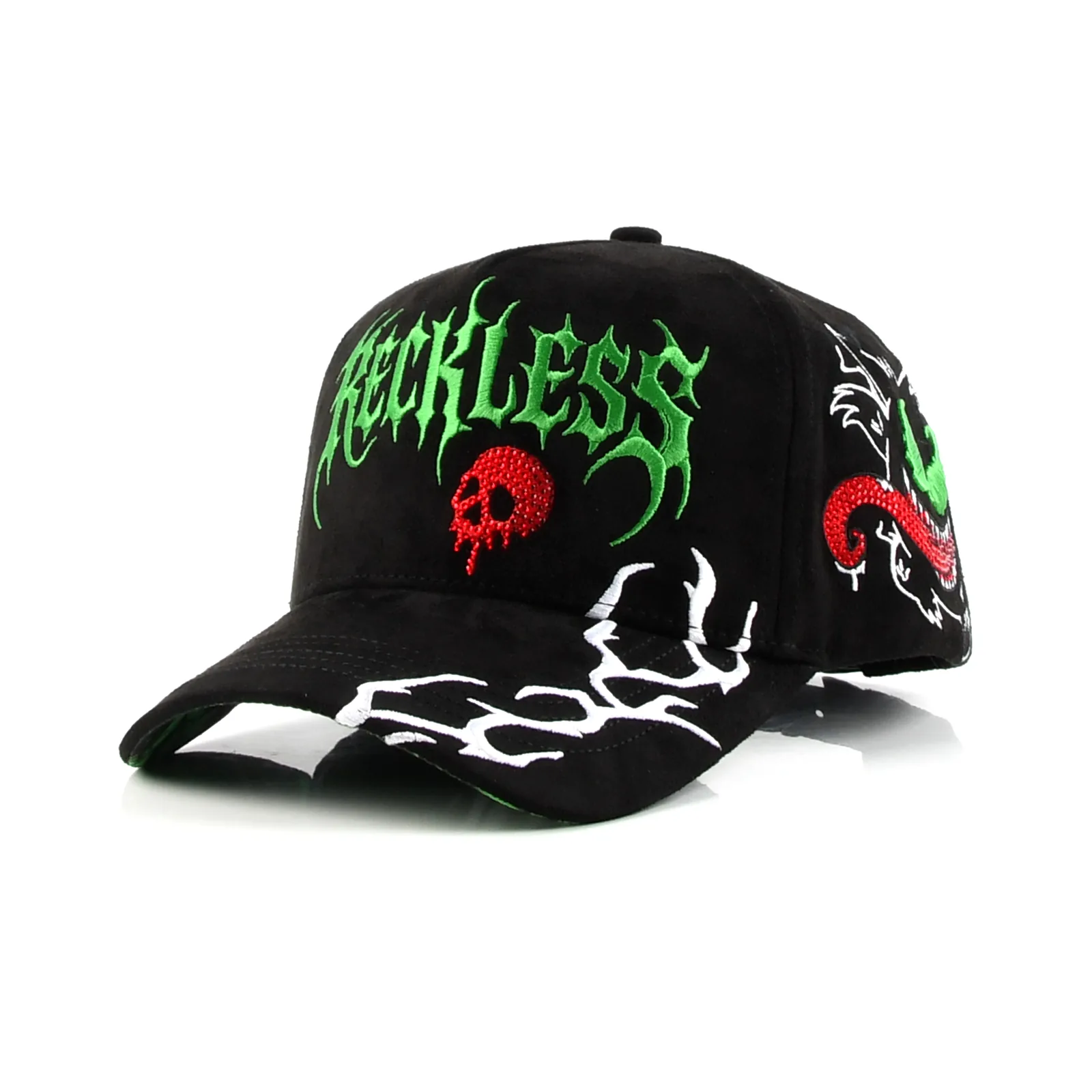
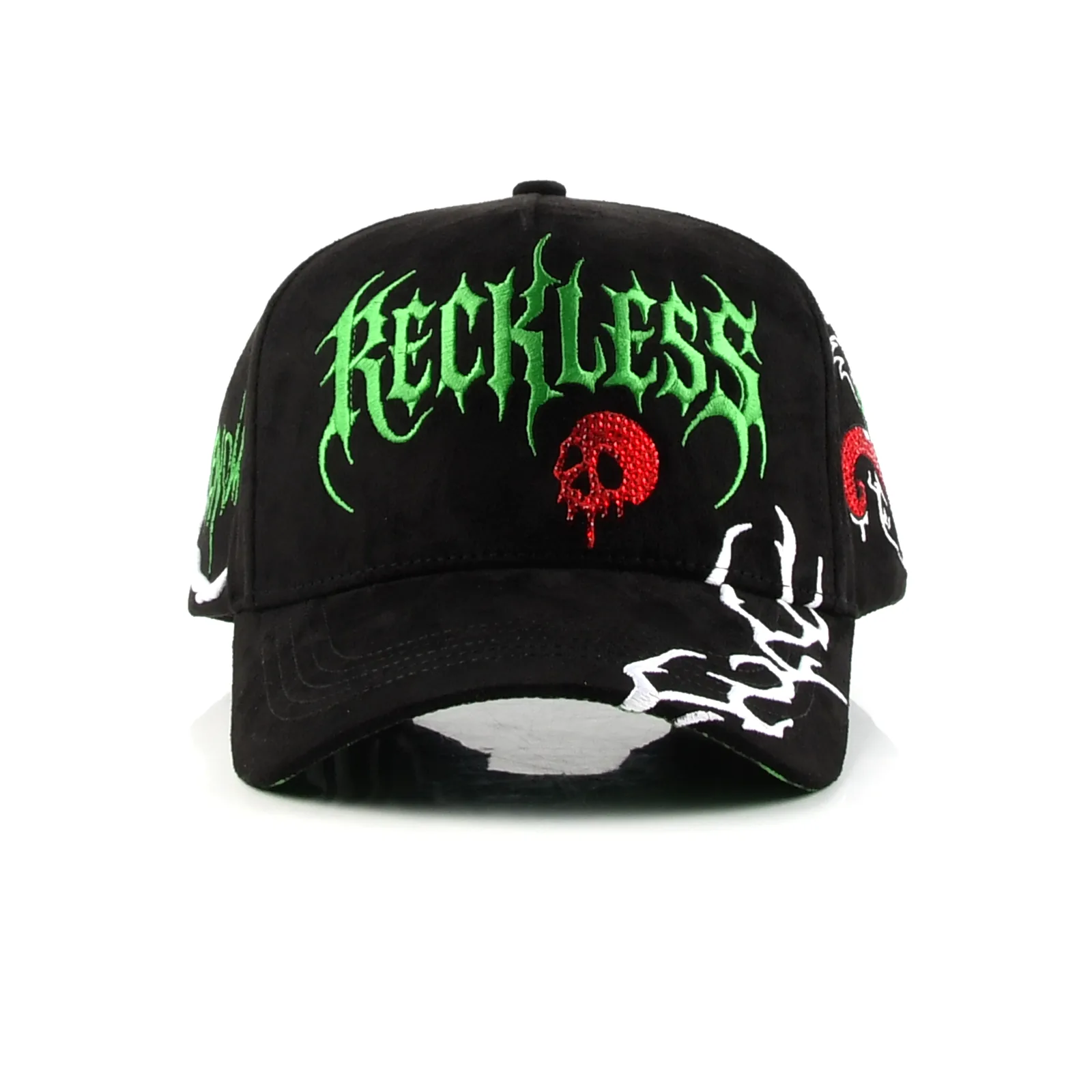
- Cap profile, front height, and structure direction.
- Brim curve and silhouette balance.
- Logo size, embroidery mood, patch proportion, or trim visibility.
- Closure choice and its effect on look and comfort.
- Whether packaging or hangtag details affect the cap presentation.
What apparel should usually prove first
- Fit block and size grading direction.
- Fabric weight, softness, stretch, or wash feel.
- Print, embroidery, applique, or label placement.
- Construction details that affect drape or durability.
- Which trims and finishing points matter most for repeatability.
Priority split table
| Category | Round-one priority | Later-round priority |
|---|---|---|
| Hats | Profile, brim, front structure, decoration proportion | Packing refinement, repeat-order cleanup, assortment alignment |
| Apparel | Fit block, fabric response, key decoration placement | Finishing polish, scale consistency, final packing details |
| Shared program | Story alignment and launch timing logic | Cross-category packaging and presentation consistency |
How buyers should reconnect the two tracks
Even when hats and apparel sample separately, buyers should still reconnect them through one launch decision sheet. That sheet should answer which category locks silhouette first, which category carries the main visual signal, and which sample risks could still delay the whole capsule. Without that reconnect step, teams end up with individually approved products that still do not launch cleanly together.
Where 4UGEAR can help
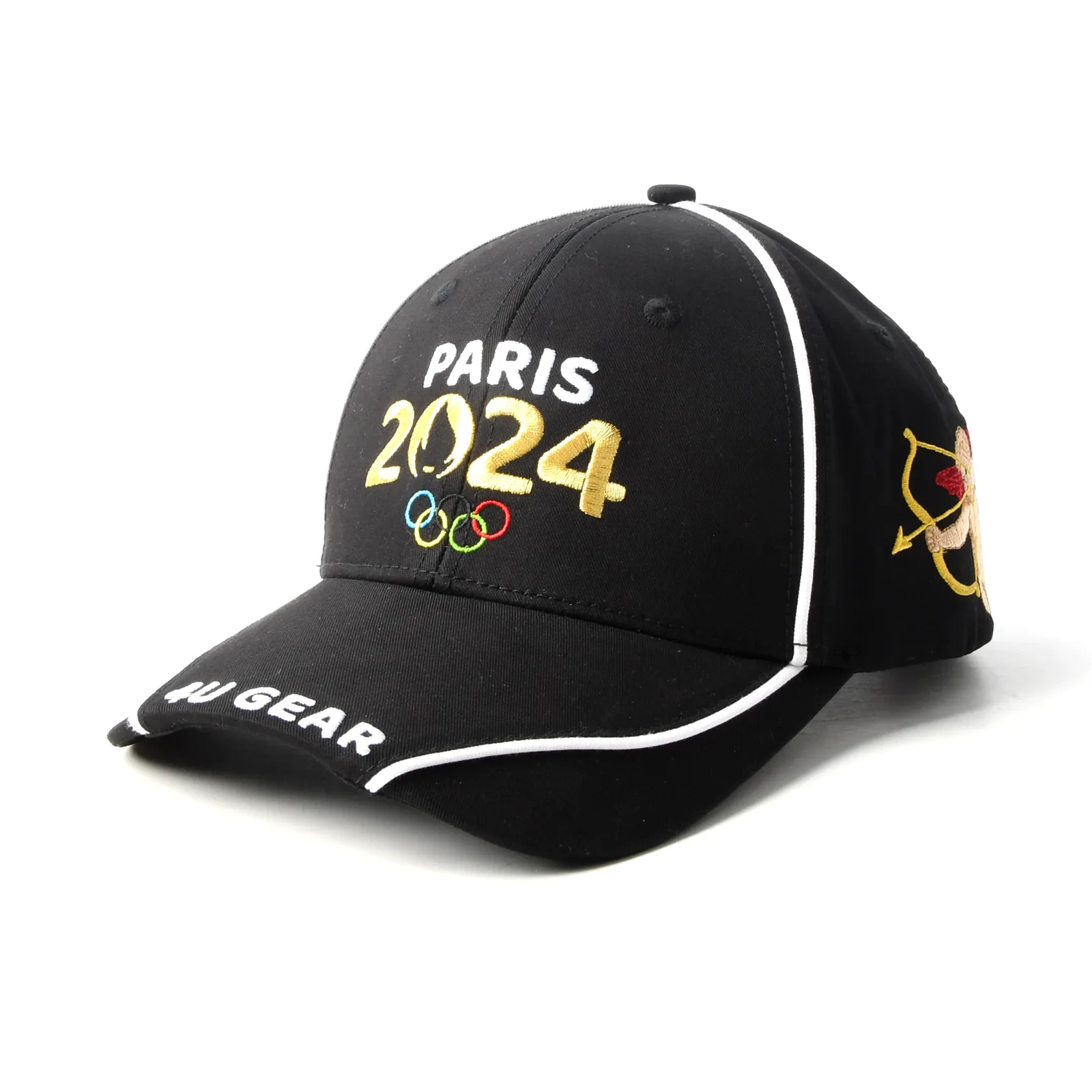
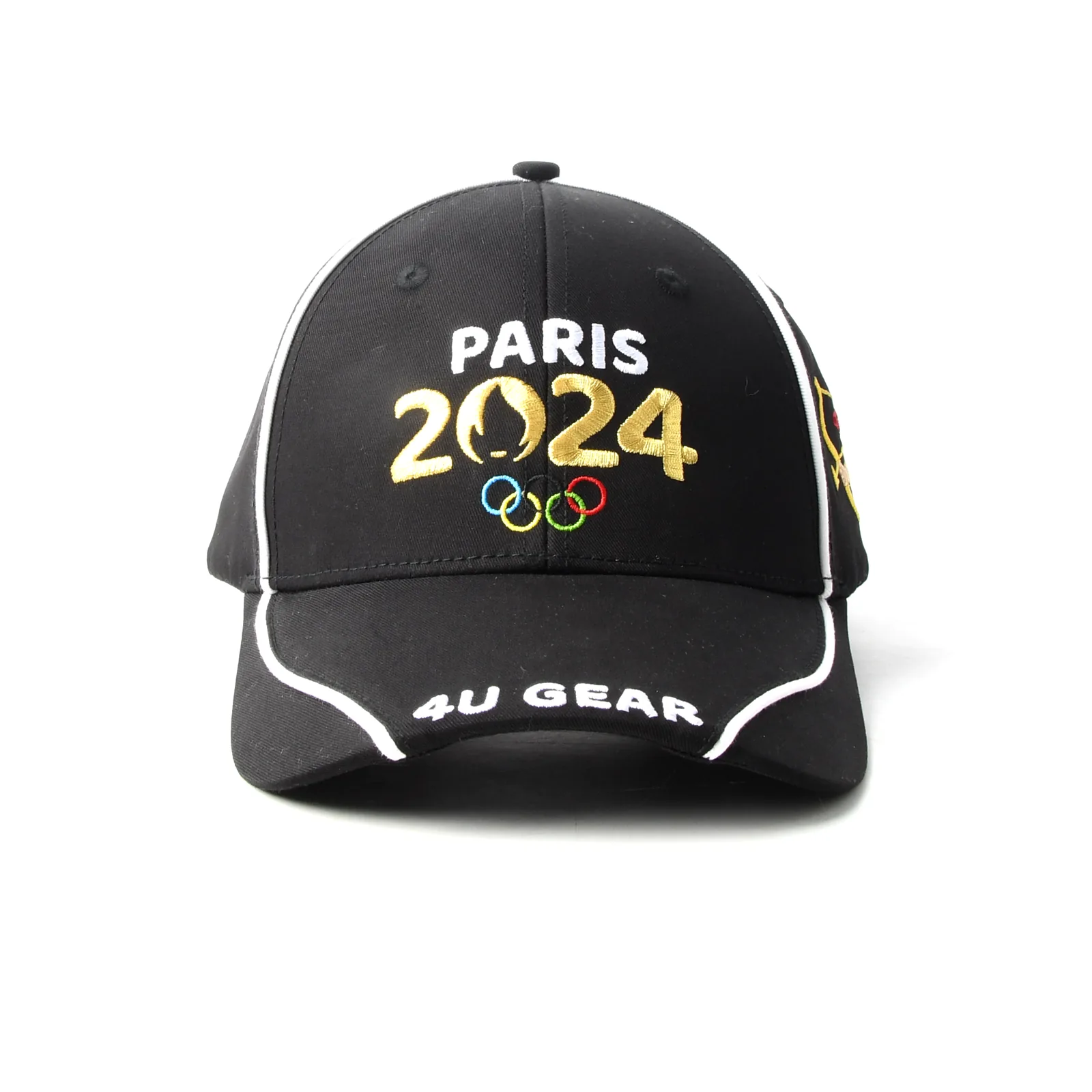
4UGEAR is especially useful when buyers need to sort cap-specific sampling logic inside a wider apparel or streetwear program. The benefit is not only making the cap sample faster. It is helping the buyer decide what the cap sample should prove first, what can wait, and how those decisions connect back to the broader program.
If you are still defining the sample path, start with How Custom Hat Sampling Works. If the broader issue is preparing clean inputs before sampling, continue with What We Need to Start Sampling.
En bref: Hats and apparel should not fight for the same sample round. Split the proof points, protect each category's real risks, and reconnect them through one shared launch plan.
FAQ
Should hats and apparel always sample at the same time?
No. They can move in parallel, but they should not be forced into identical proof goals.
What usually slows a mixed-category sample plan down?
Trying to validate too many unrelated questions in the same round.
What should buyers align across both categories from the start?
Launch timing, visual hierarchy, and which category carries the strongest brand signal.