


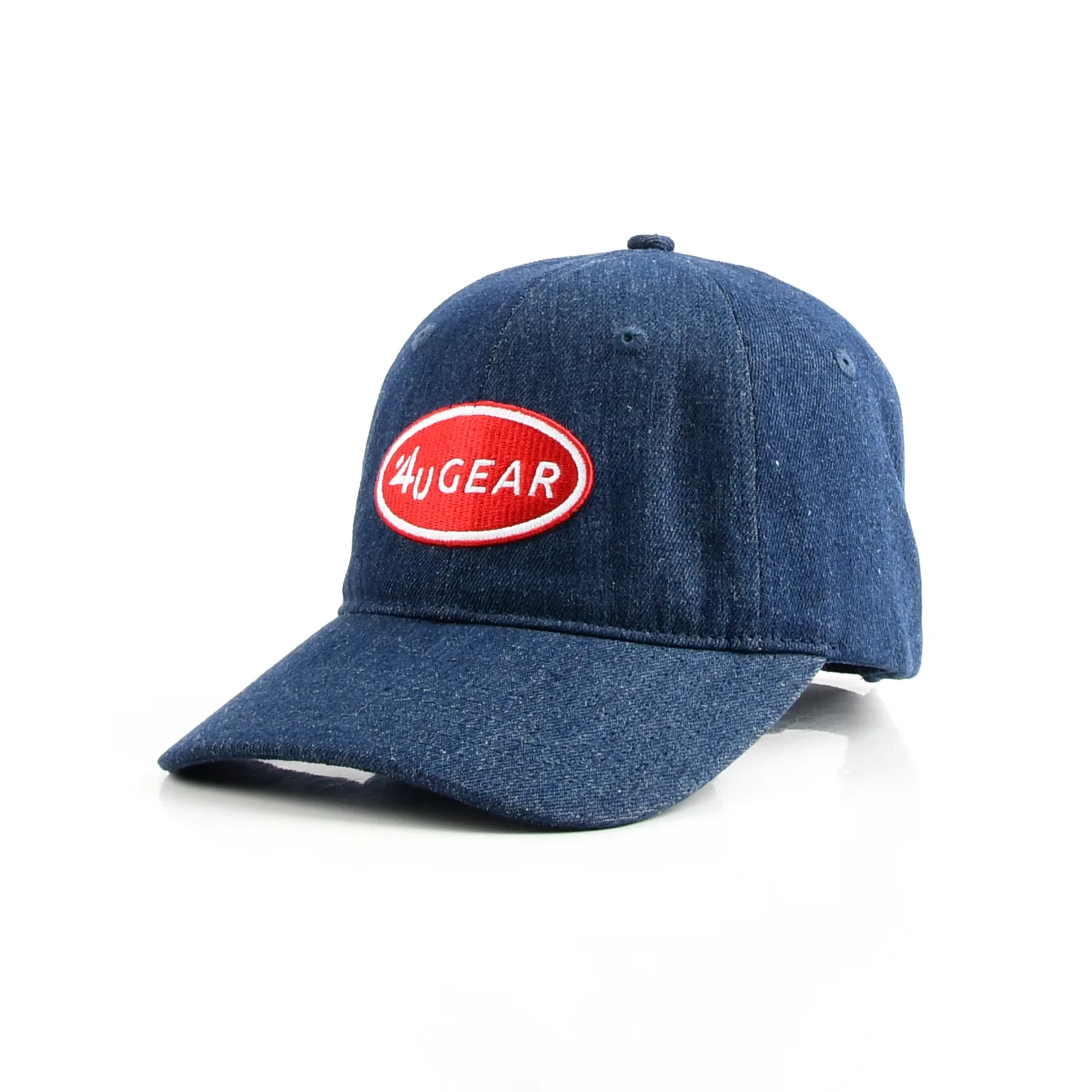
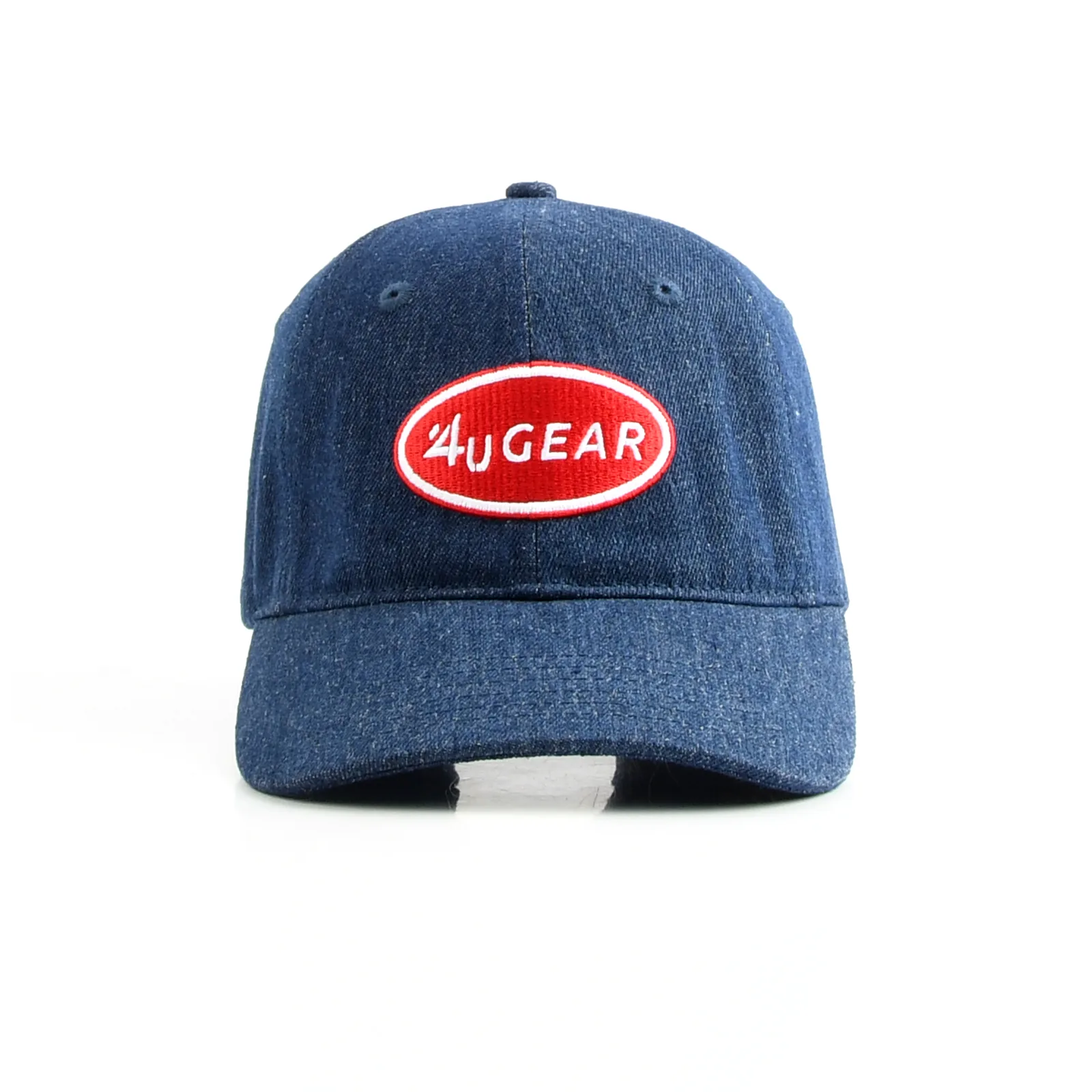
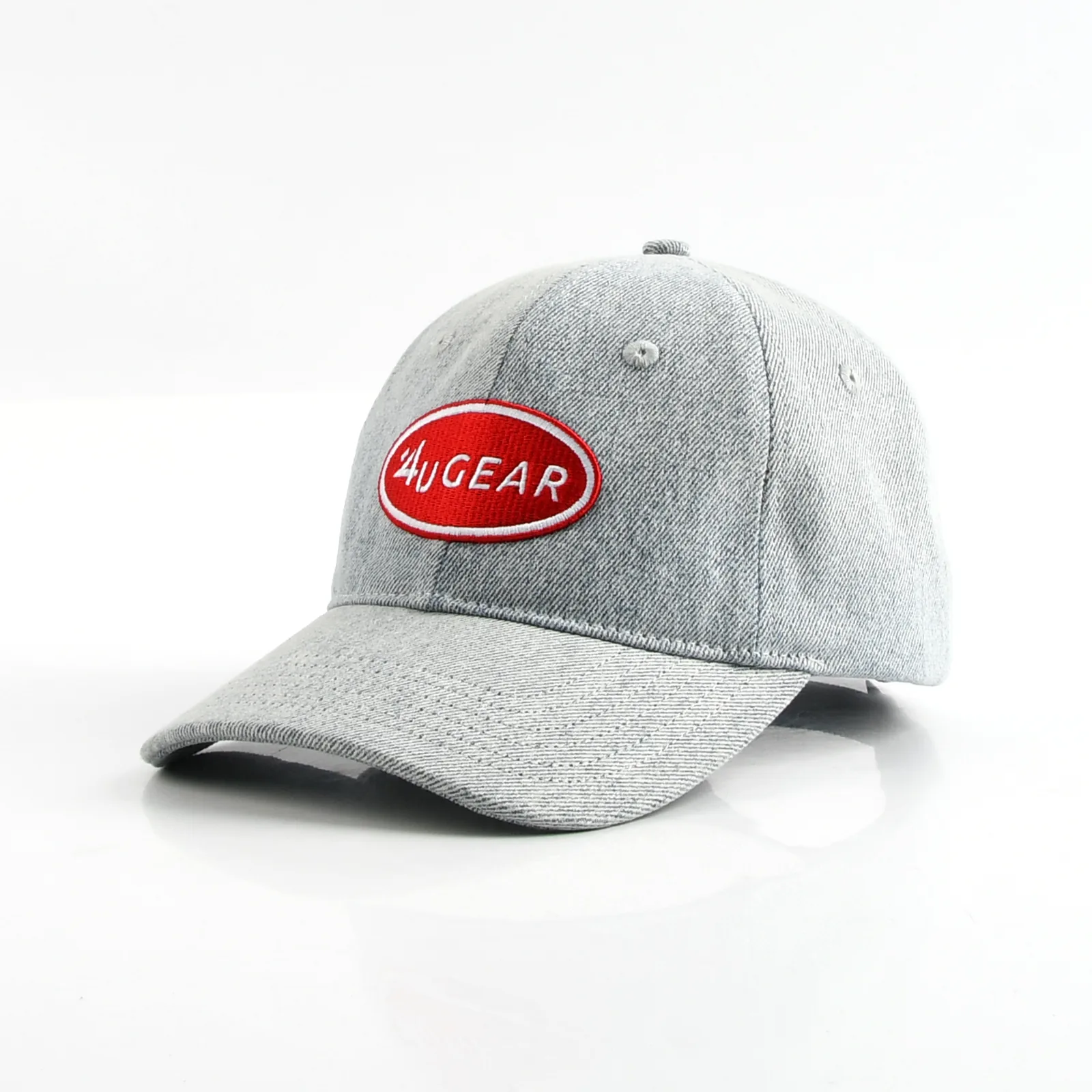
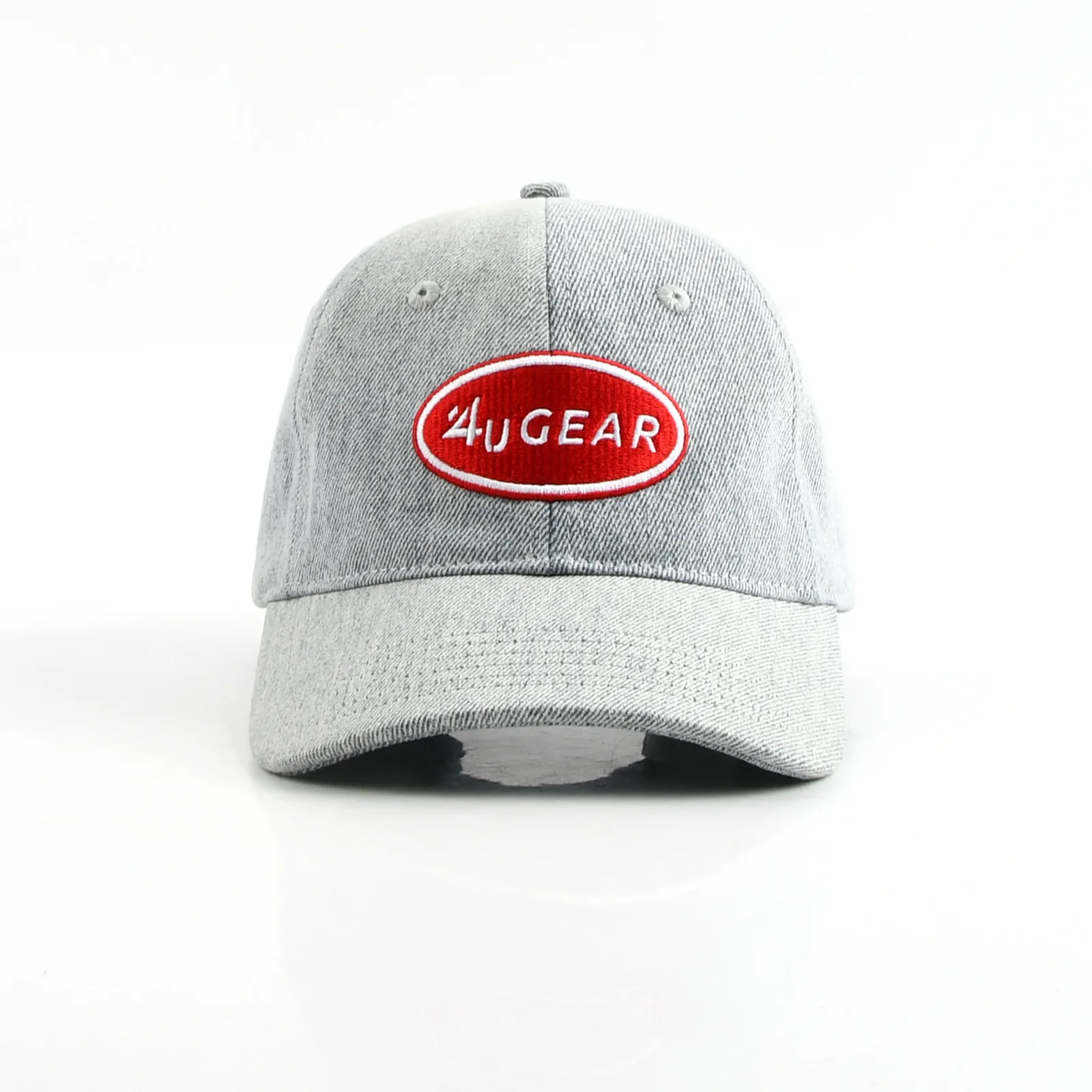
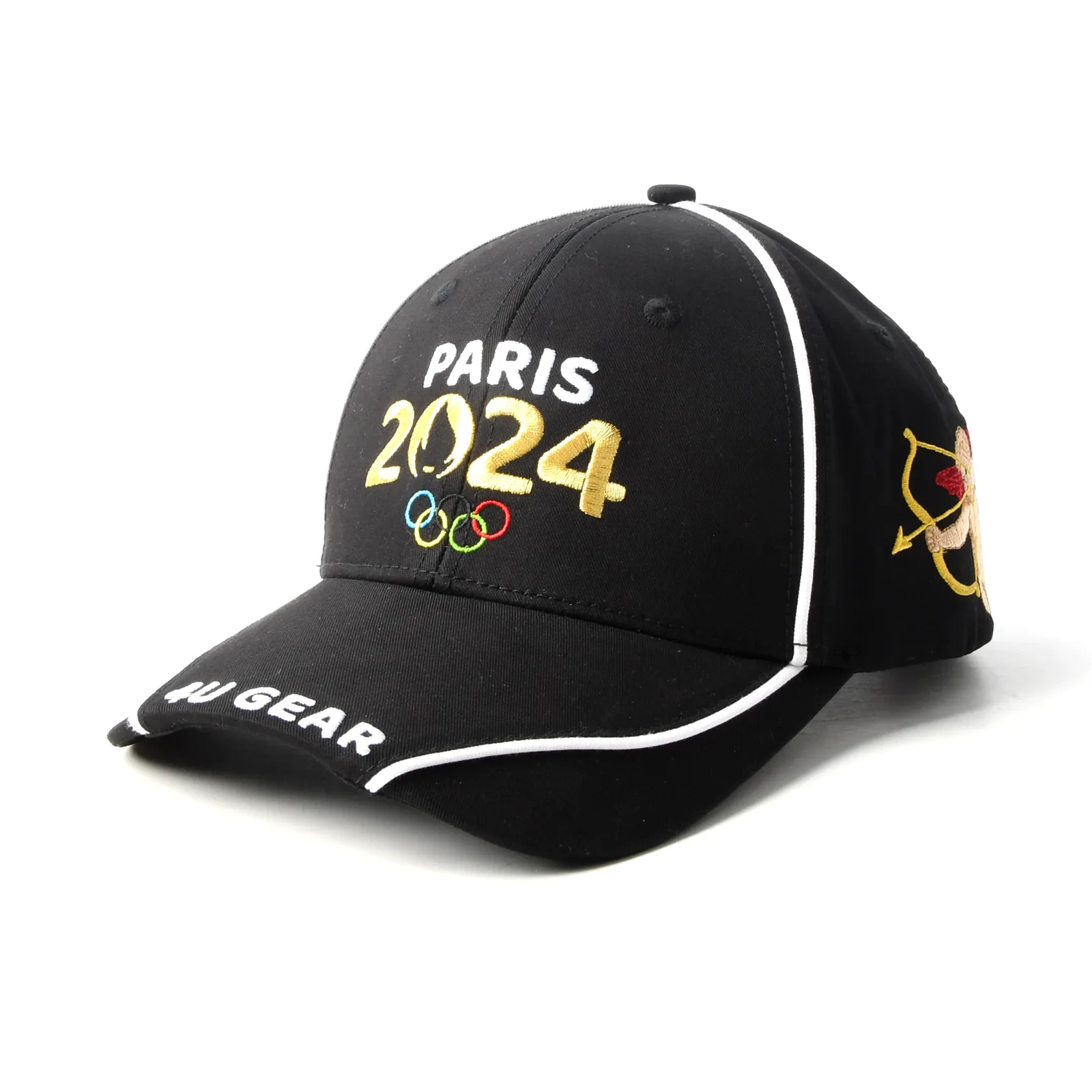
3D Embroidery vs Flat Embroidery for Repeat Brand Cap Programs
This buyer guide explains when 3D embroidery or flat embroidery is the better fit for repeat cap programs that need stable quality, cleaner approvals, and easier replenishment.
Repeat cap programs usually break down in small ways rather than dramatic ones. The first bulk order may look good, but the second or third run starts drifting because logo height, stitch density, crown support, or fabric tension were never matched to the decoration method in the first place. That is why the choice between 3D embroidery and flat embroidery matters much earlier than many buyers expect.
Quick take: Choose 3D embroidery when the brand needs stronger height, a more aggressive front read, and a logo that can tolerate foam-led structure. Choose flat embroidery when the brand needs cleaner line control, easier repeat stability, and broader compatibility across body types and quantities.
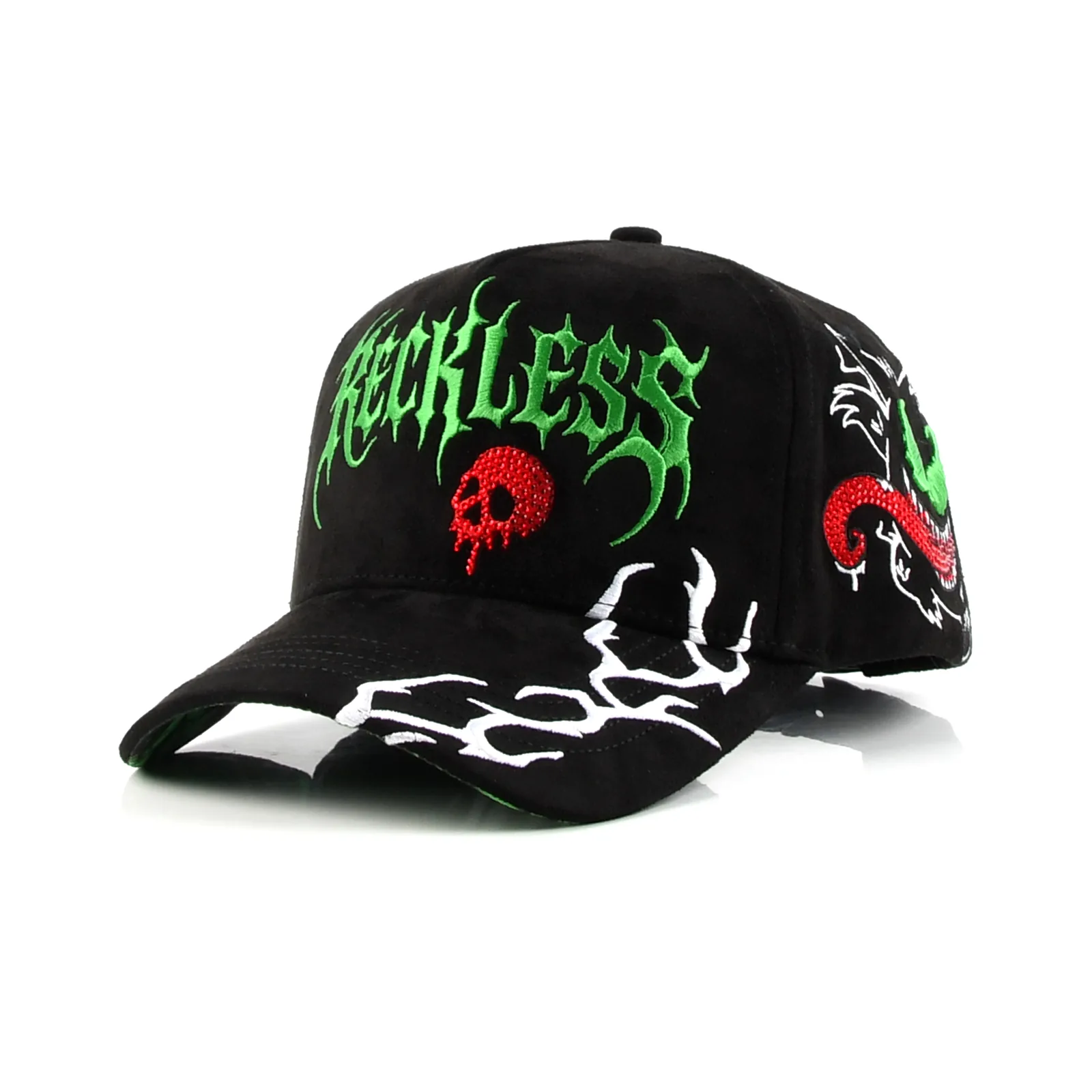
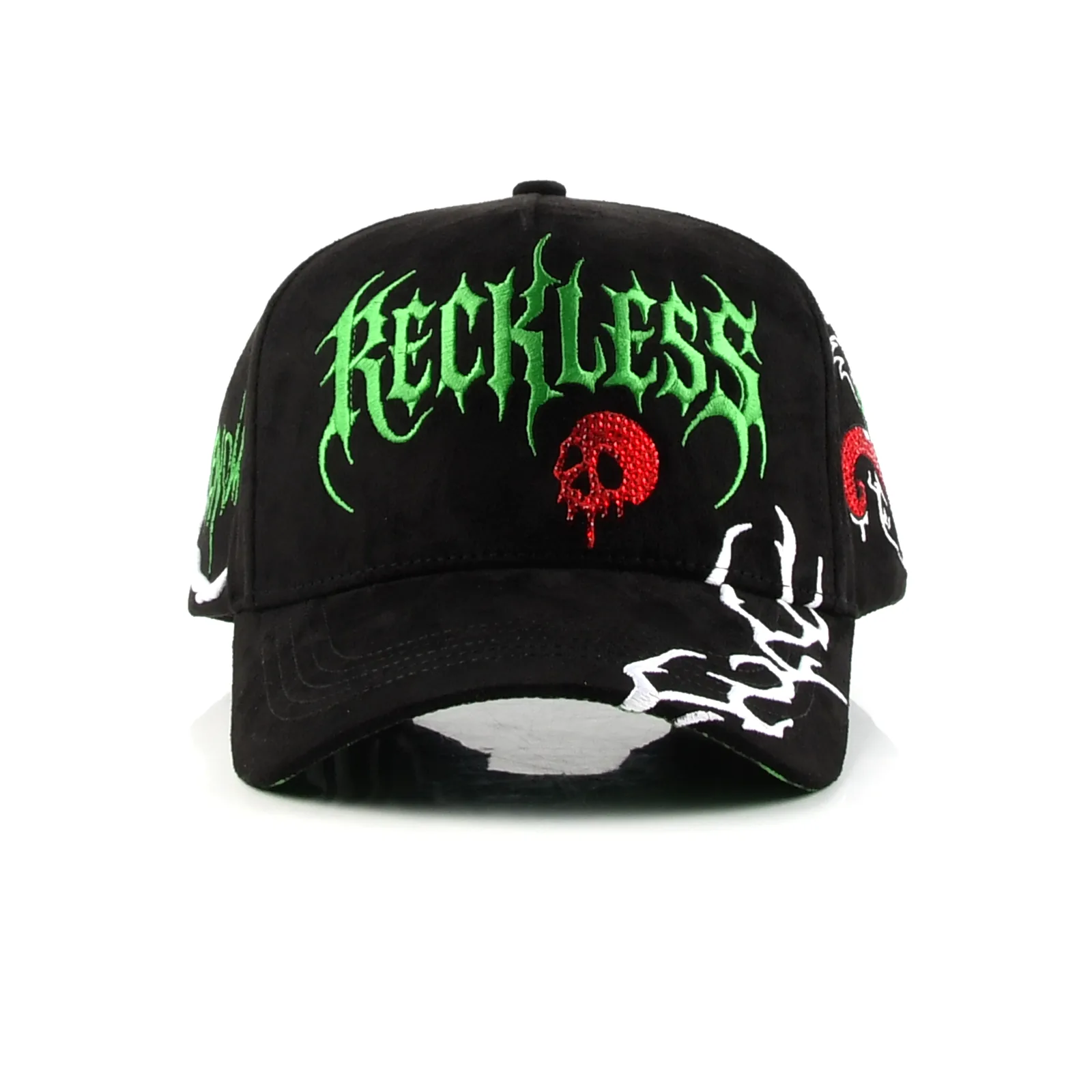
Definition: 3D embroidery builds height by stitching over foam so the front logo reads more raised and sculpted. Flat embroidery stitches directly into the cap surface without added height, so it usually gives tighter line control and a cleaner graphic read.
What repeat programs are really deciding
On the surface, buyers are choosing between a raised logo and a flatter logo. In practice, they are choosing how much visual drama the program needs and how much production control the program can afford to give up. Repeat programs often care less about novelty and more about how reliably a logo can be reproduced across future reorders, fabric shifts, and seasonal color changes.
If that long-term repeat logic is ignored, the decoration choice can create avoidable revision cycles later.
When 3D embroidery makes more sense
3D embroidery is stronger when the brand wants a bold streetwear front, a blockier letterform, or a logo that needs height to feel premium. It often works best on structured fronts with enough support to hold the foam shape cleanly. It is especially effective when the artwork is simple, thick enough, and meant to read from distance.
The main risk is that 3D embroidery asks more from the cap body and from the artwork. Thin lines, crowded detail, weak front support, or soft fabrics can quickly make the result look uneven.
When flat embroidery is the safer route
Flat embroidery is usually safer for repeat brand programs because it handles line detail better and is easier to keep consistent across replenishment runs. It also gives buyers more flexibility when they want to move the same logo across different cap bodies, softer crowns, lower quantities, or mixed seasonal colors.
| Decision factor | 3D embroidery | Flat embroidery |
|---|---|---|
| Front signal | Higher, bolder, more sculpted | Cleaner, tighter, more controlled |
| Best artwork type | Simple block shapes and thicker letters | Finer detail, cleaner outlines, mixed line weights |
| Body requirement | Needs stronger structured support | Usually works across more body types |
| Repeat stability | Good when setup is locked well | Usually easier across repeat runs |
| Common risk | Foam distortion or uneven height | Can feel too ordinary if the logo needs more presence |
What buyers should lock before first sampling
- Confirm whether the logo needs height or line clarity more than anything else.
- Check whether the front panel structure is strong enough for raised embroidery.
- Simplify the artwork if height is the goal.
- Decide whether future replenishment will stay on the same cap body.
- Write down the approval standard for stitch height, edge cleanliness, and thread density.
How 4UGEAR can help
4UGEAR can help buyers sort the logo, cap body, and repeat strategy together instead of treating embroidery as an isolated trim choice. That matters because a decoration method that looks good on one approved sample is not automatically the best method for a multi-run brand program.
If you are still organizing the project, start with What We Need to Start Sampling. If the next step is turning that into a cleaner production route, the most relevant support page is OEM / ODM Headwear Services.
In summary: 3D embroidery is strongest when the logo needs height and impact. Flat embroidery is usually stronger when the program needs detail control, repeat consistency, and easier scaling across future orders.
FAQ
Is 3D embroidery always more premium than flat embroidery?
No. It only feels more premium when the artwork, cap body, and brand direction all support that raised effect.
Why do repeat programs often favor flat embroidery?
Because it is usually easier to keep consistent across replenishment, fabric changes, and mixed body types.
What kind of logo should avoid 3D embroidery?
Very thin, crowded, or highly detailed logos usually perform better in flat embroidery.
What should the first sample confirm?
It should confirm whether the logo read, height control, and cap-body match are right before future repeat orders are planned.