


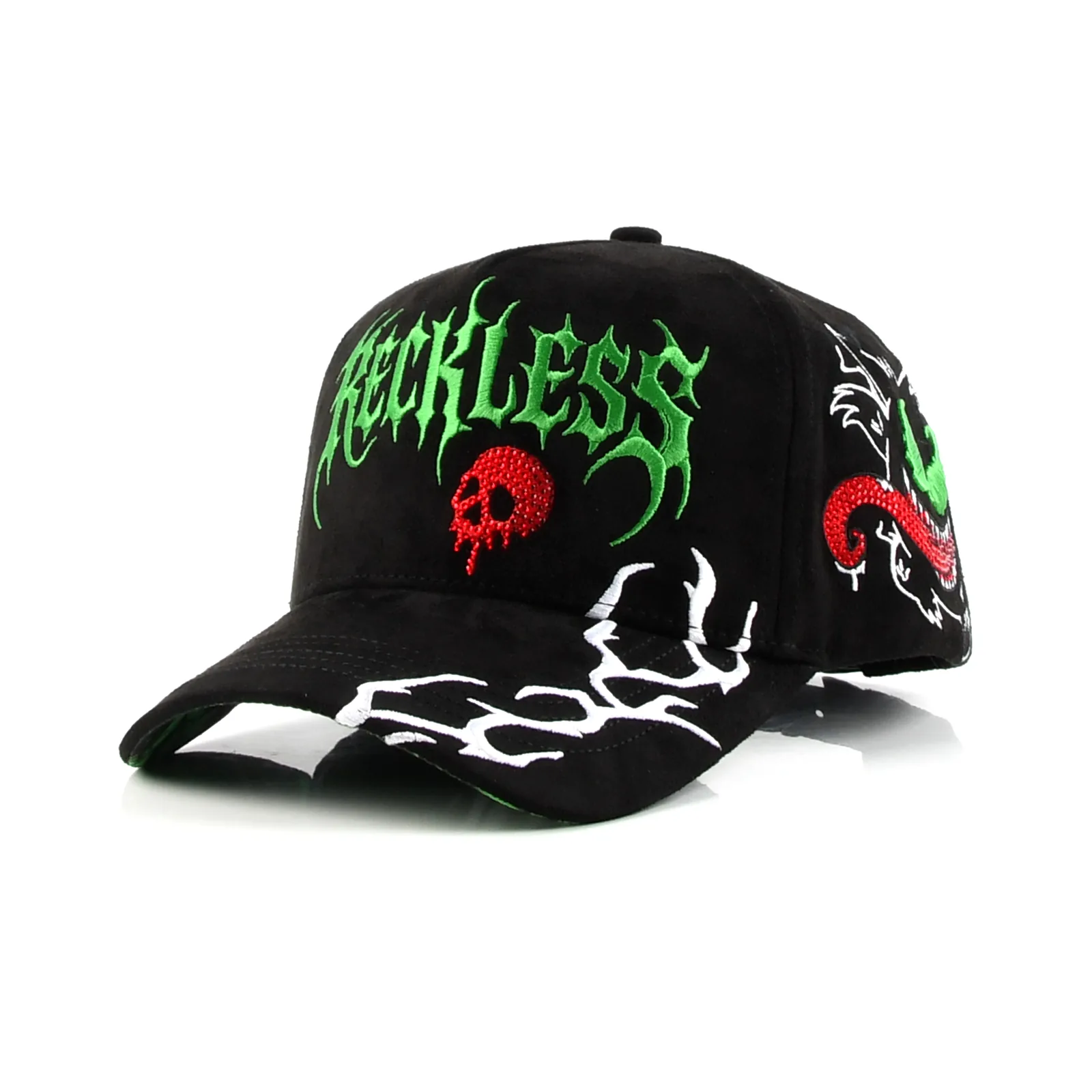
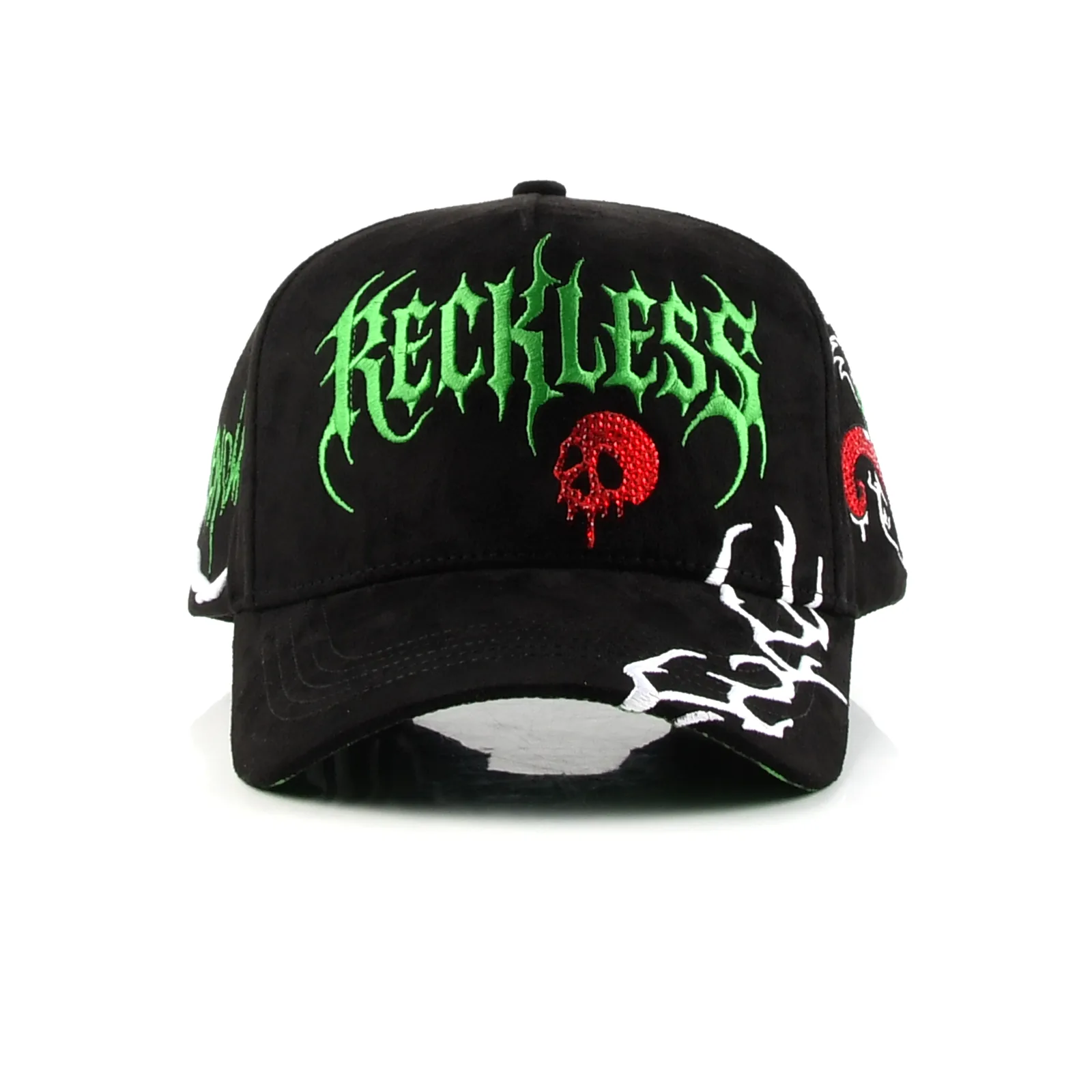
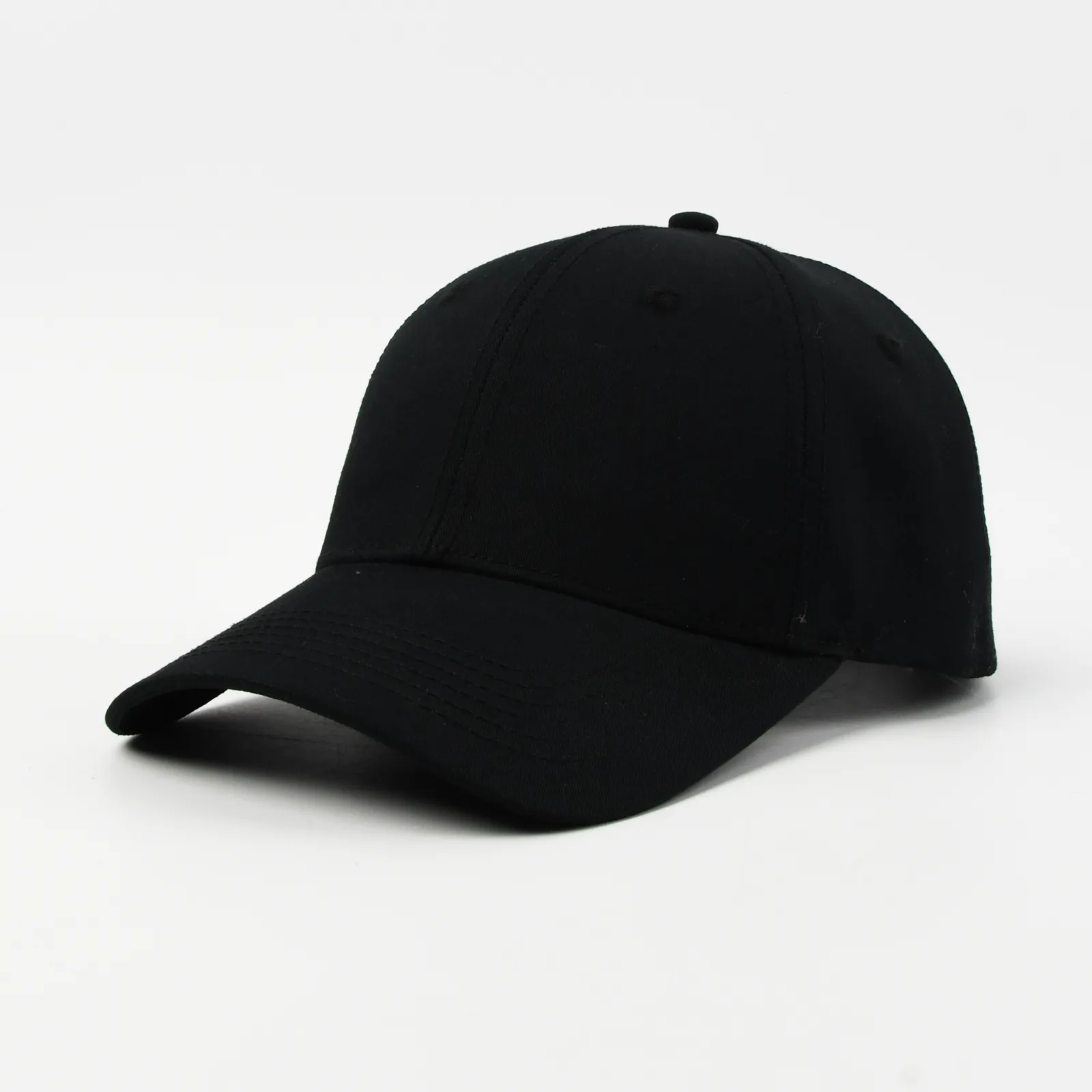
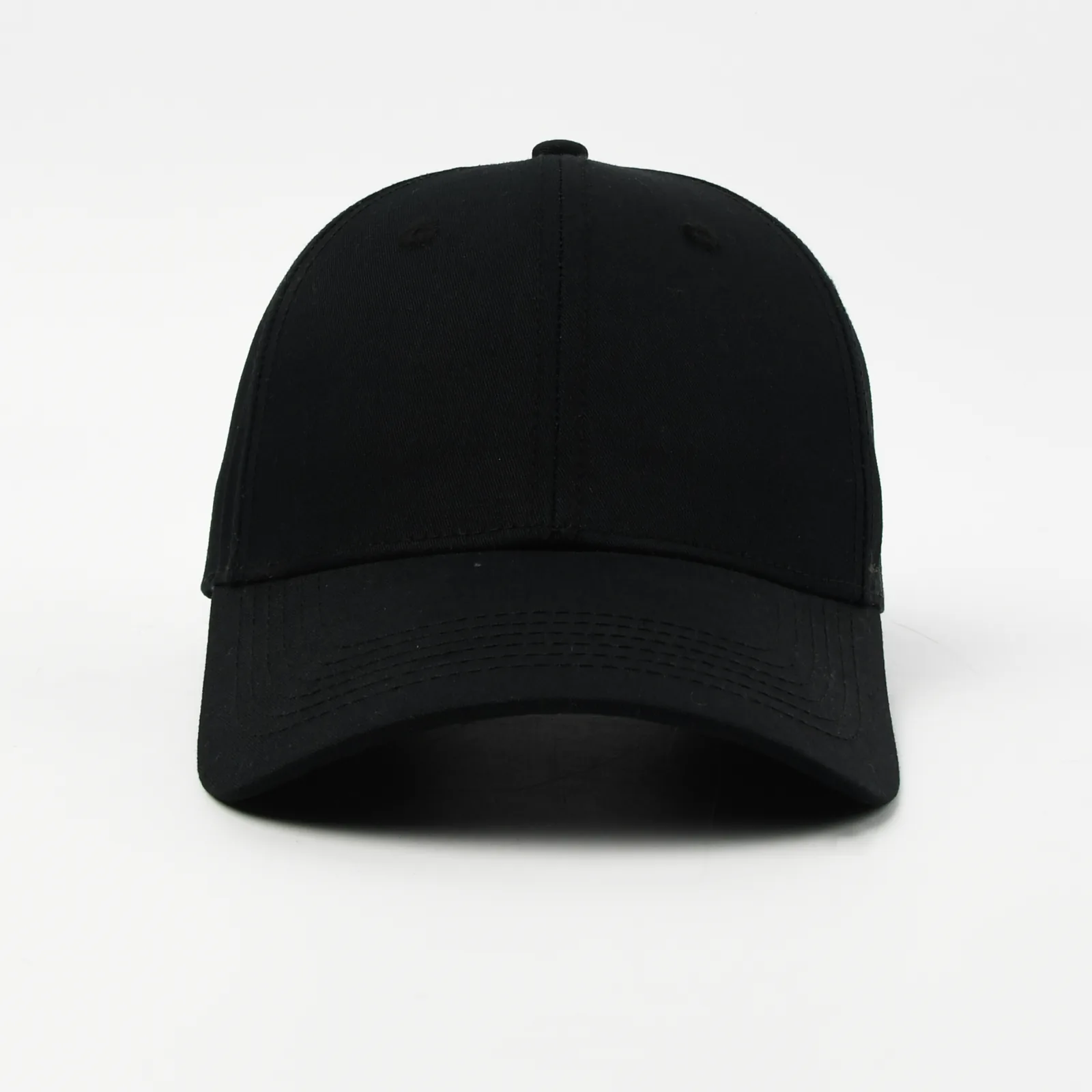
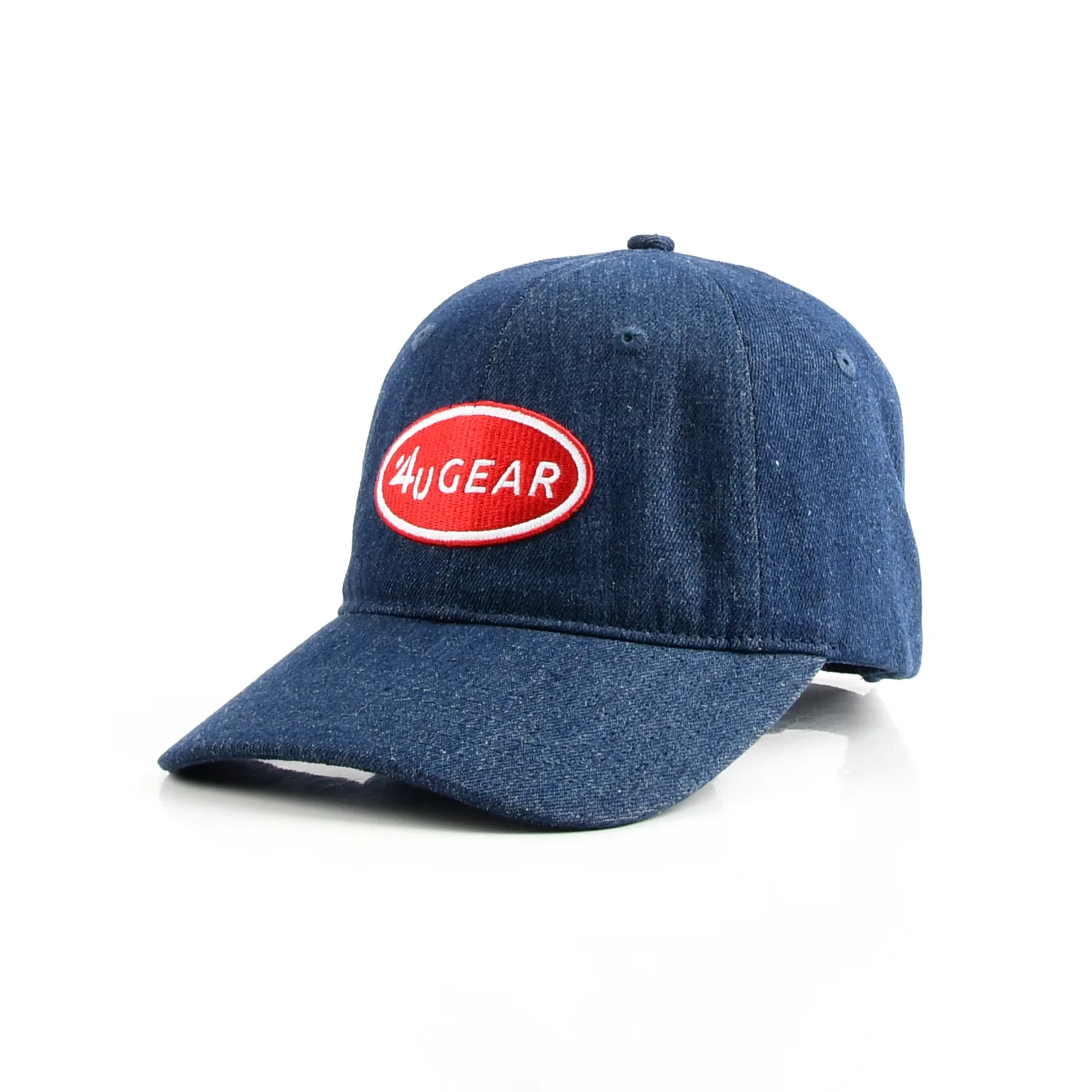
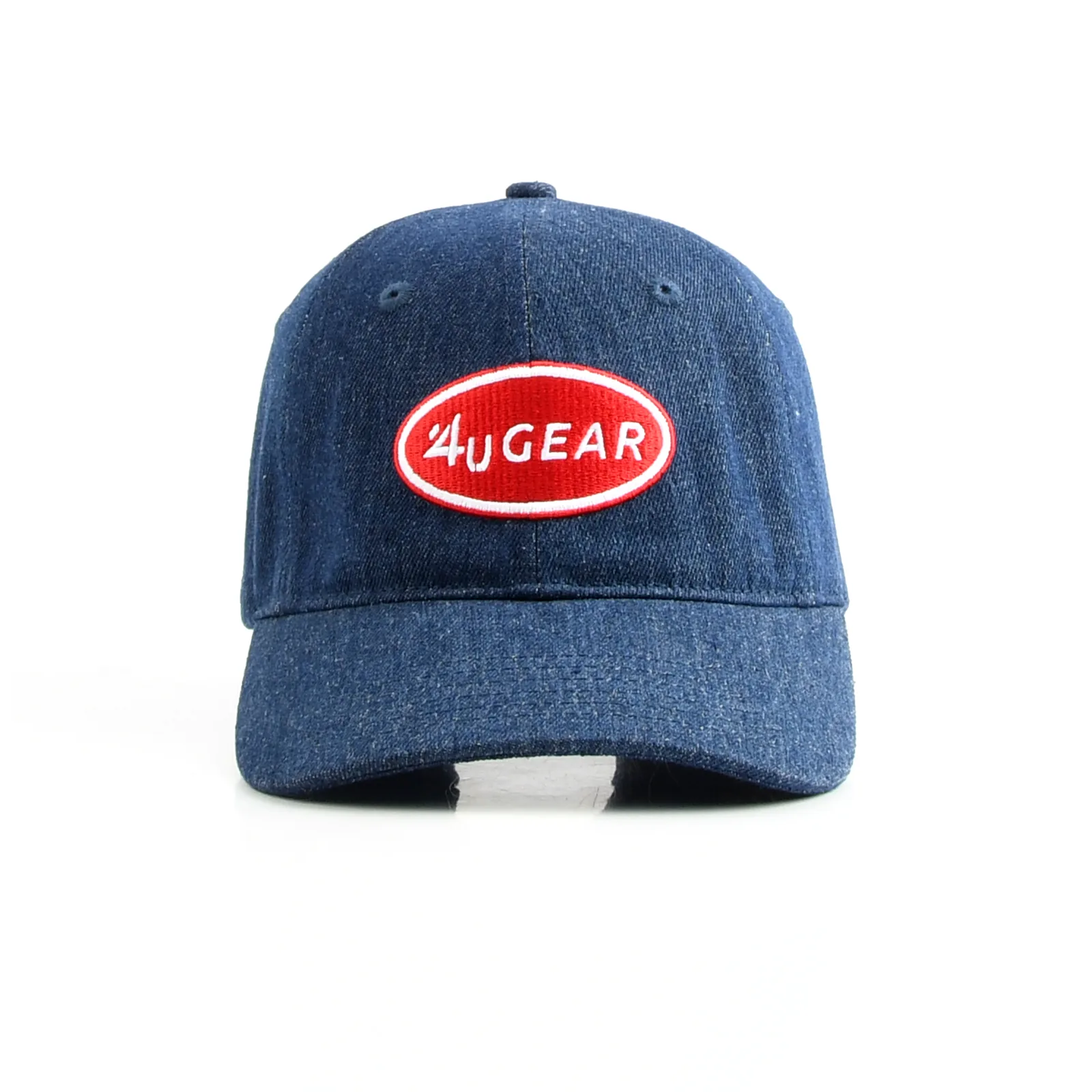
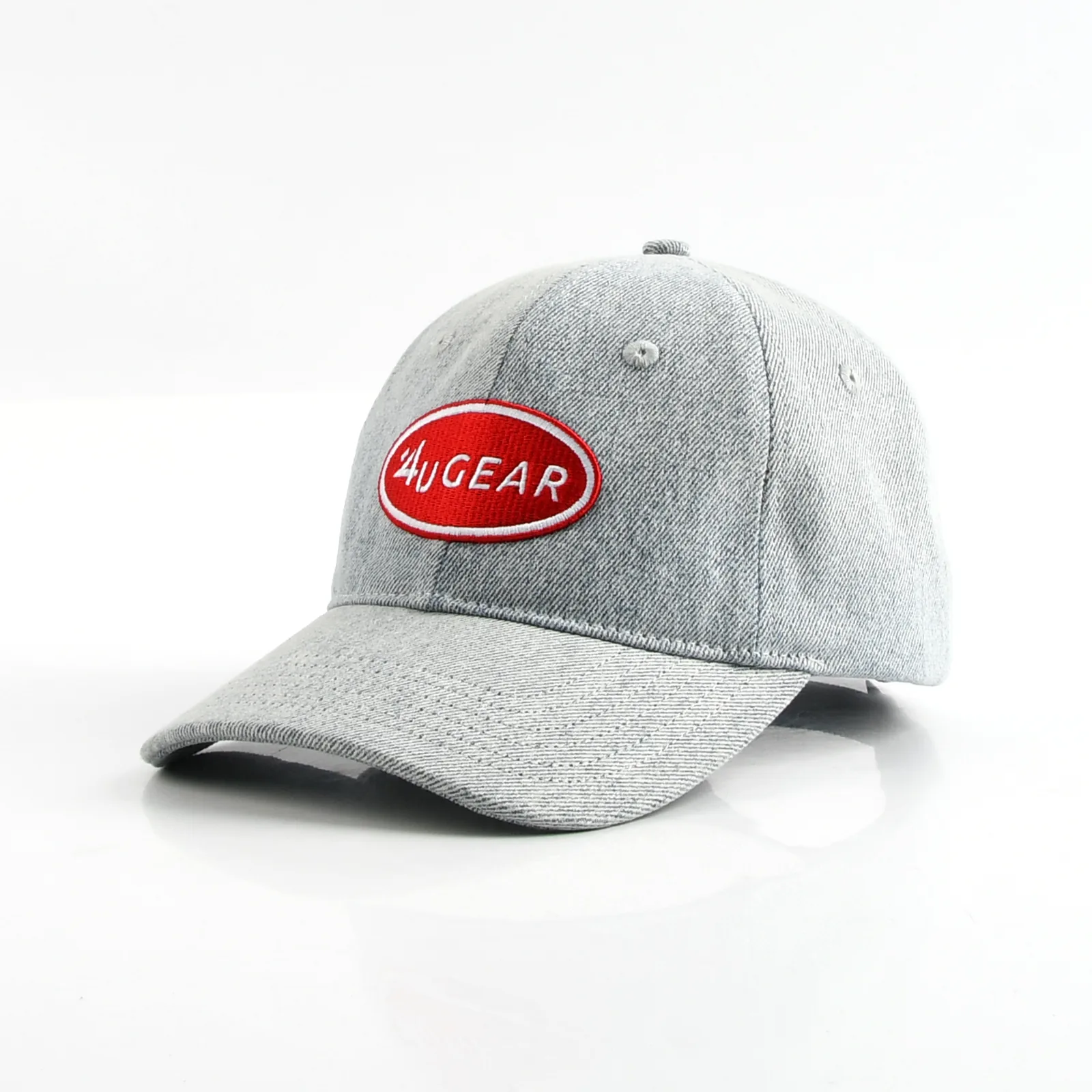
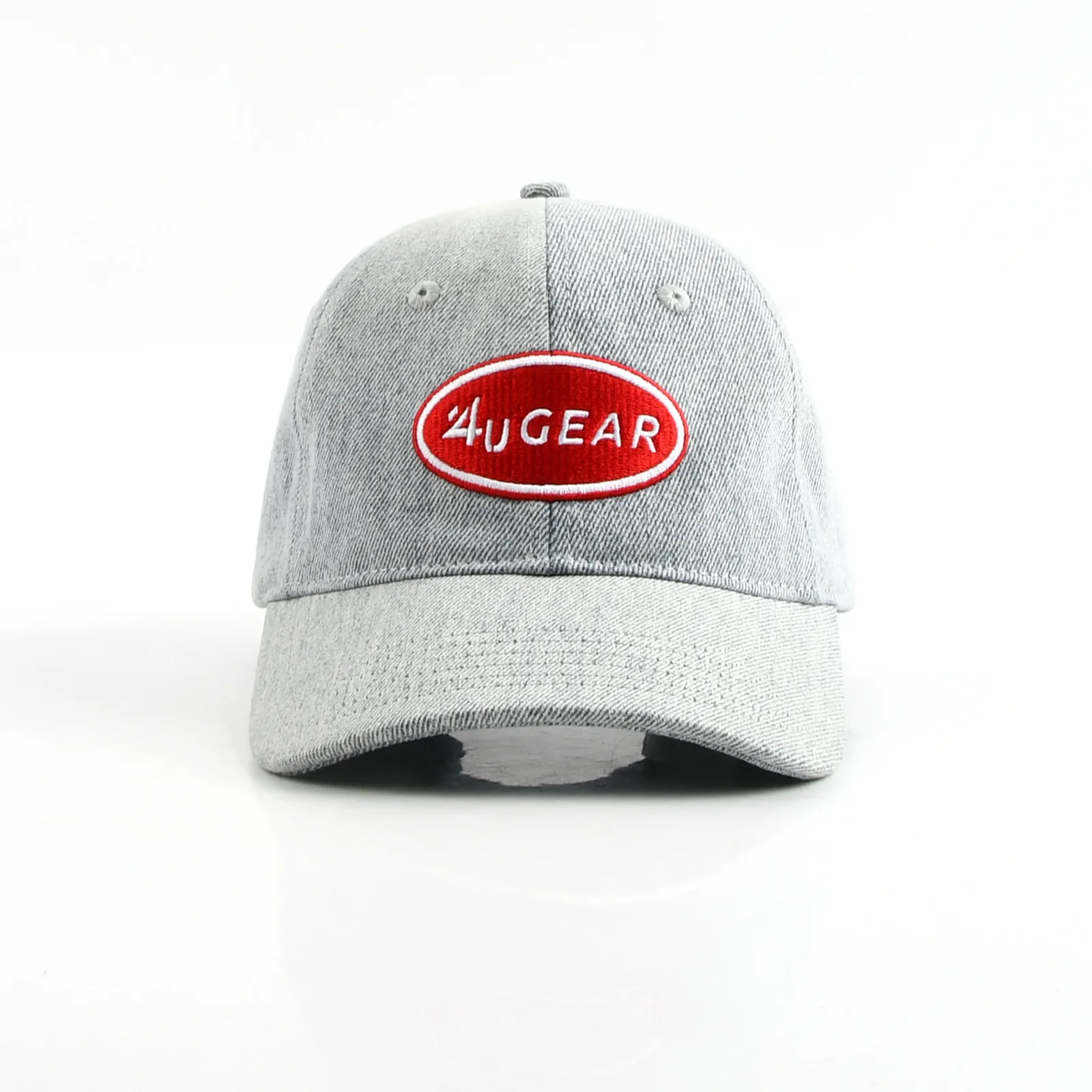
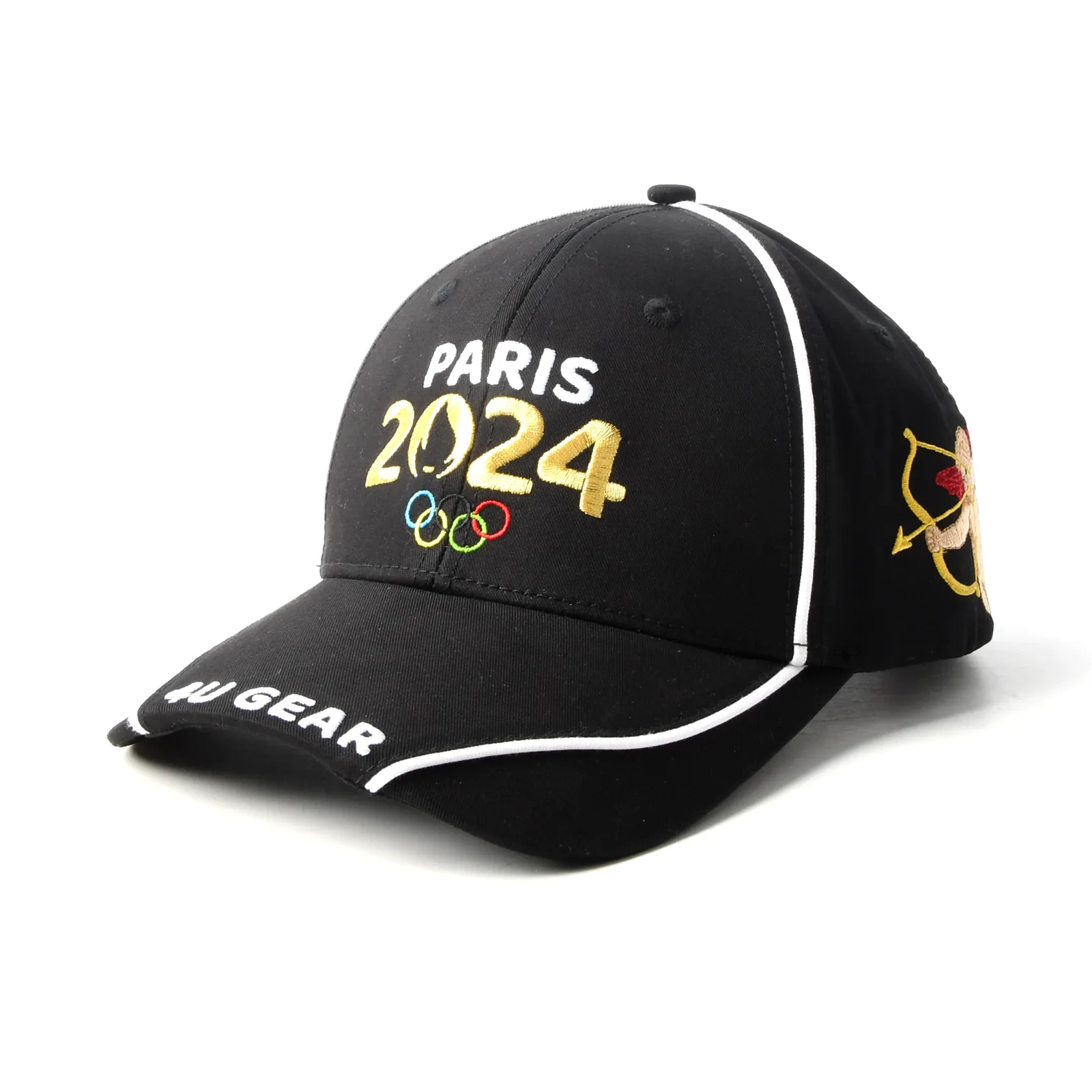
5-panel vs 6-panel caps: which one fits your brand program better?
A buyer-facing comparison of front structure, profile, closure, and sampling impact so brands can choose the right cap body before development starts.
Buyers choosing between 5-panel and 6-panel caps should start with the front shape they need, not with color or decoration. A 5-panel cap usually gives a cleaner uninterrupted front area and a more directional silhouette. A 6-panel cap usually gives a more familiar all-around retail fit and more flexibility across everyday brand programs. That one structural choice changes logo handling, crown feel, closure planning, and the first sample review.
Quick take: Choose 5-panel when the program needs a bolder front statement, a flatter streetwear shape, or a seam-free front area. Choose 6-panel when the program needs broader retail versatility, a more familiar baseball-cap balance, and fewer front-structure surprises in development.
Definition: In custom cap development, a 5-panel cap uses one larger front panel. A 6-panel cap splits the front into two panels with a center seam. That structural difference is small on paper, but it changes how the cap reads once embroidery, patches, and fit are added.
What buyers are really choosing
This is not only a five-versus-six panel question. It is a choice between two front-body logics. One direction prioritizes a cleaner, more graphic front surface. The other prioritizes a more familiar crown shape that works across a wider range of everyday retail programs.
Official examples show how different the starting point can be. YP Classics describes its Premium 5 Panel Snapback as a high-profile structured cap with a flat bill and snap closure. On the 6-panel side, the Retro Cotton Twill Cap is presented as a mid-profile cap with a pre-curved visor and self-fabric closure. Those are not small styling details. They point to different silhouette expectations before a logo is even added.
Takeaway: Buyers are not only selecting panel count. They are selecting the visual rhythm, front behavior, and sampling path of the cap body.
When a 5-panel cap makes more sense
A 5-panel direction is usually stronger when the brand wants a cleaner uninterrupted front area for a larger logo, woven patch, applique, or bold embroidery statement. It also fits better when the collection leans toward skate, surf, streetwear, resort, or fashion-led silhouettes that benefit from a flatter front and a more directional crown.
That does not mean 5-panel is automatically easier. The larger front area can make proportion mistakes more visible. If the artwork is too small, the front can feel empty. If the crown is too tall for the market, the cap can look forced instead of premium. Buyers should therefore lock logo scale and target silhouette early instead of assuming the one-piece front will solve design tension by itself.
Takeaway: A 5-panel cap is strongest when the brand is buying a cleaner front statement and a more fashion-shaped silhouette, not just a different seam layout.
When a 6-panel cap is the safer development route
A 6-panel cap is usually the safer starting point when the program needs broad retail usability, easier everyday wear, and a more familiar baseball-cap balance. For many buyers, especially in classic sports, promo, lifestyle, and general private-label programs, the 6-panel body creates less silhouette risk because the market already understands the shape.
The center seam is not always a drawback. Many logos still stitch cleanly on a 6-panel front when width, placement, and stitch logic are planned correctly. In return, buyers often get a more balanced cap body that can work more easily with curved-visor directions, softer everyday styling, and less aggressive front height.
Takeaway: A 6-panel cap is often the safer default when the goal is broad market usability, not the strongest possible front-surface statement.
Side-by-side decision table for custom cap programs
The fastest way to avoid the wrong cap body is to compare the program through development criteria instead of mood alone.
| Factor | 5-panel cap | 6-panel cap |
|---|---|---|
| Front surface | Cleaner uninterrupted area, usually stronger for bold front graphics | Center seam splits the front, but works well for many classic logo layouts |
| Silhouette signal | Usually more directional, flatter, or fashion-forward | Usually more familiar, balanced, and everyday-retail friendly |
| Common risk | Front can feel too tall or empty if proportion is off | Logo planning can fail if the center seam is ignored |
| Best fit | Streetwear, resort, skate, surf, bold capsule drops | Classic baseball-cap programs, lifestyle retail, broad private-label lines |
| Brief priority | Lock logo scale and target crown attitude early | Lock seam tolerance, curve direction, and market silhouette expectation |
Takeaway: The better cap body is the one that matches the logo behavior, silhouette target, and market expectation of the program, not the one that looks more interesting in isolation.
What buyers should lock before the first sample
Before sample development starts, buyers should turn the cap-body choice into a practical brief instead of a style preference. That means clarifying what the front logo must do, whether the brand wants a flatter or more classic curve direction, what closure logic fits the market, and which reference caps define success.
- Confirm whether the front logo needs a seam-free area or can tolerate a center seam.
- Define the target profile and crown feel before discussing color or trim details.
- Decide whether the program is aiming at directional streetwear styling or broader everyday retail use.
- Lock one or two reference caps so the first sample confirms a real silhouette instead of guessing.
If the next step is structuring a stronger factory brief, start with OEM / ODM Headwear Services. If the project is already moving into execution, How Custom Hat Sampling Works and What We Need to Start Sampling are the most useful follow-up pages.
Takeaway: The first sample should confirm one clear cap-body direction. It should not be used to test two different silhouettes because the brief stayed vague.
In summary: Use 5-panel when the cap needs a stronger front statement and a more directional shape. Use 6-panel when the program needs easier retail flexibility, a more familiar cap balance, and lower silhouette risk.
Conclusion
5-panel and 6-panel caps are both valid for custom brand programs, but they solve different development jobs. A 5-panel cap usually wins when front impact and shape direction matter most. A 6-panel cap usually wins when the brand needs balance, familiarity, and wider retail adaptability. The better choice is the one you can brief clearly before the first sample starts.
For buyers turning that decision into a production brief, the most relevant next page is OEM / ODM Headwear Services.
FAQ
Is a 5-panel cap always better for front logos?
No. A 5-panel cap often gives a cleaner front area, but it is not always the better choice. If the market expects a more classic silhouette, a 6-panel body may still be the stronger overall decision.
Does the center seam on a 6-panel cap always hurt embroidery?
No. Many logos embroider well on 6-panel caps when width, placement, and stitch logic are planned correctly. The seam becomes a problem mostly when the artwork ignores it.
Which option is safer for broad retail programs?
In many cases, 6-panel is the safer starting point because the silhouette is more familiar and easier to place across everyday retail, sports, and lifestyle programs.
What should a buyer send before the first sample starts?
Send target silhouette references, logo size intent, preferred visor direction, closure expectation, and one clear note on whether the program should follow a 5-panel or 6-panel body.
Referenced external resources
- Premium 5 Panel Snapback flexfit.com
- Retro Cotton Twill Cap flexfit.com