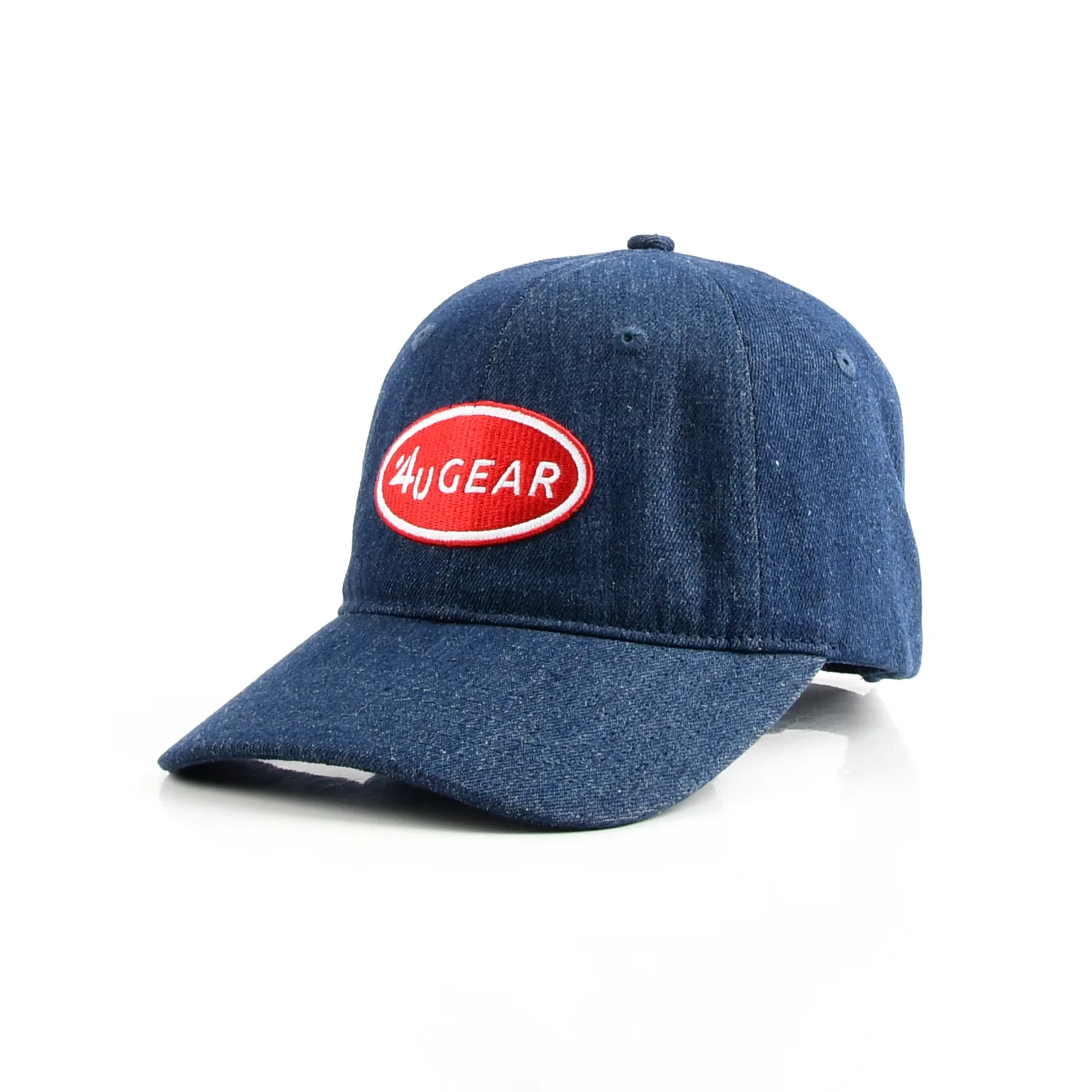
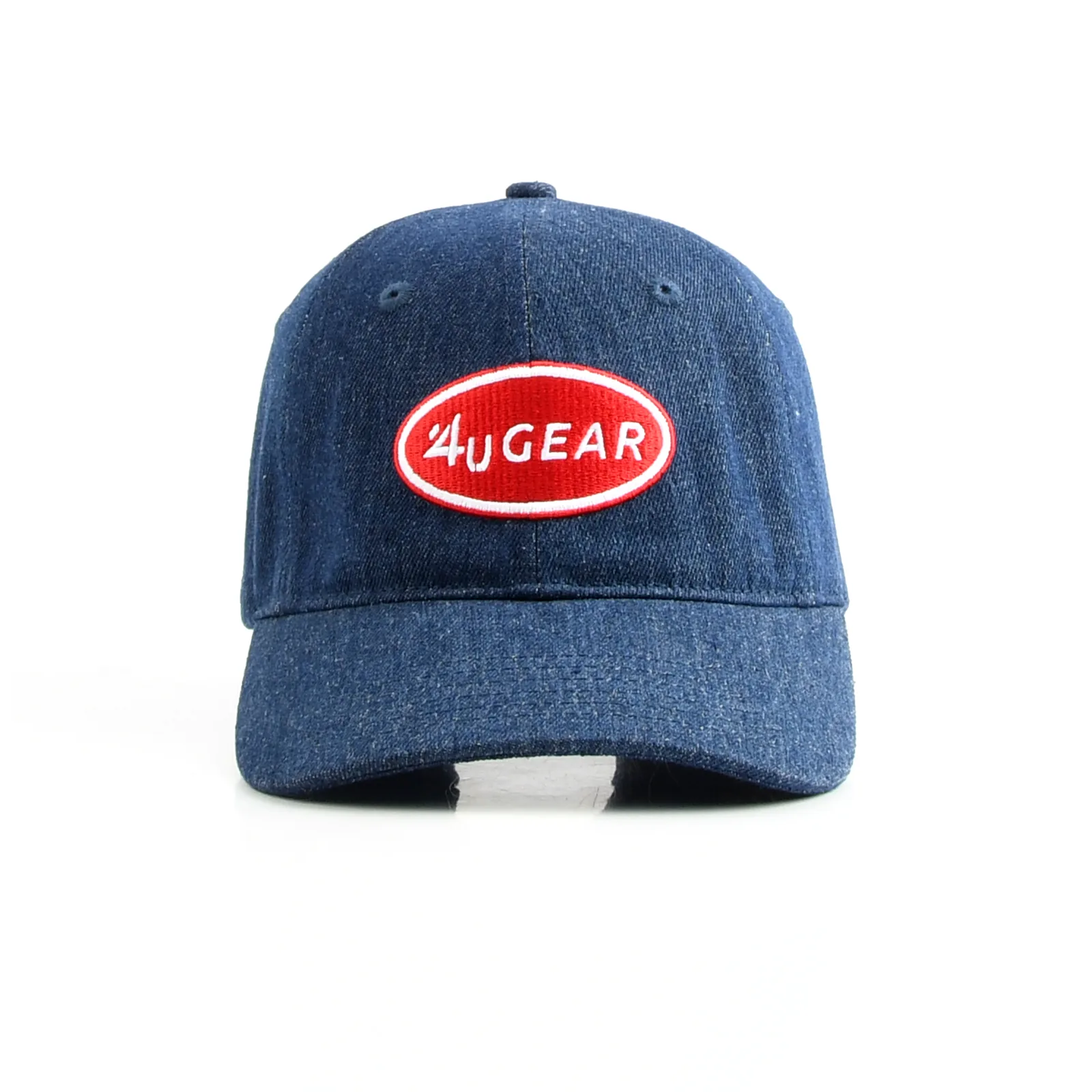
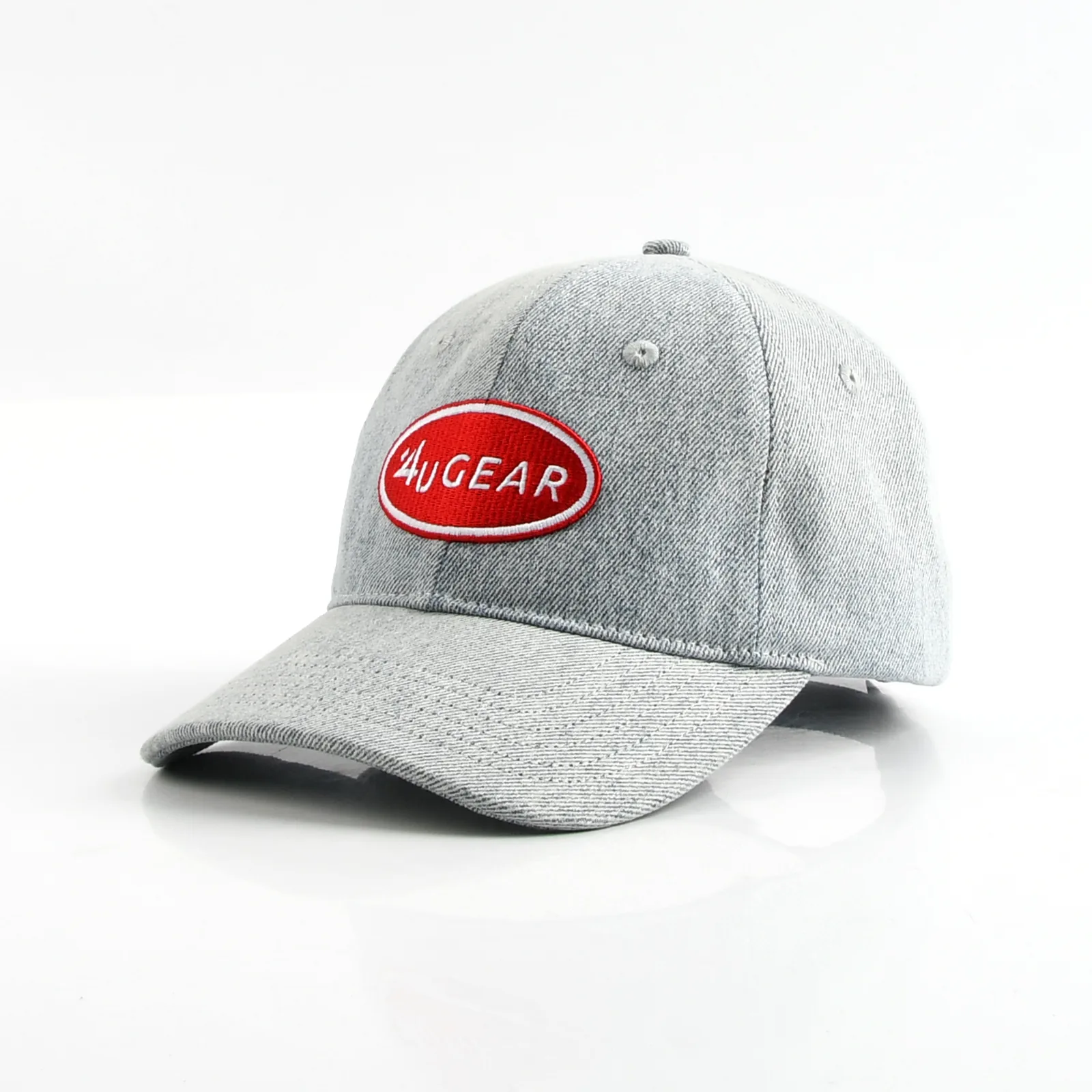
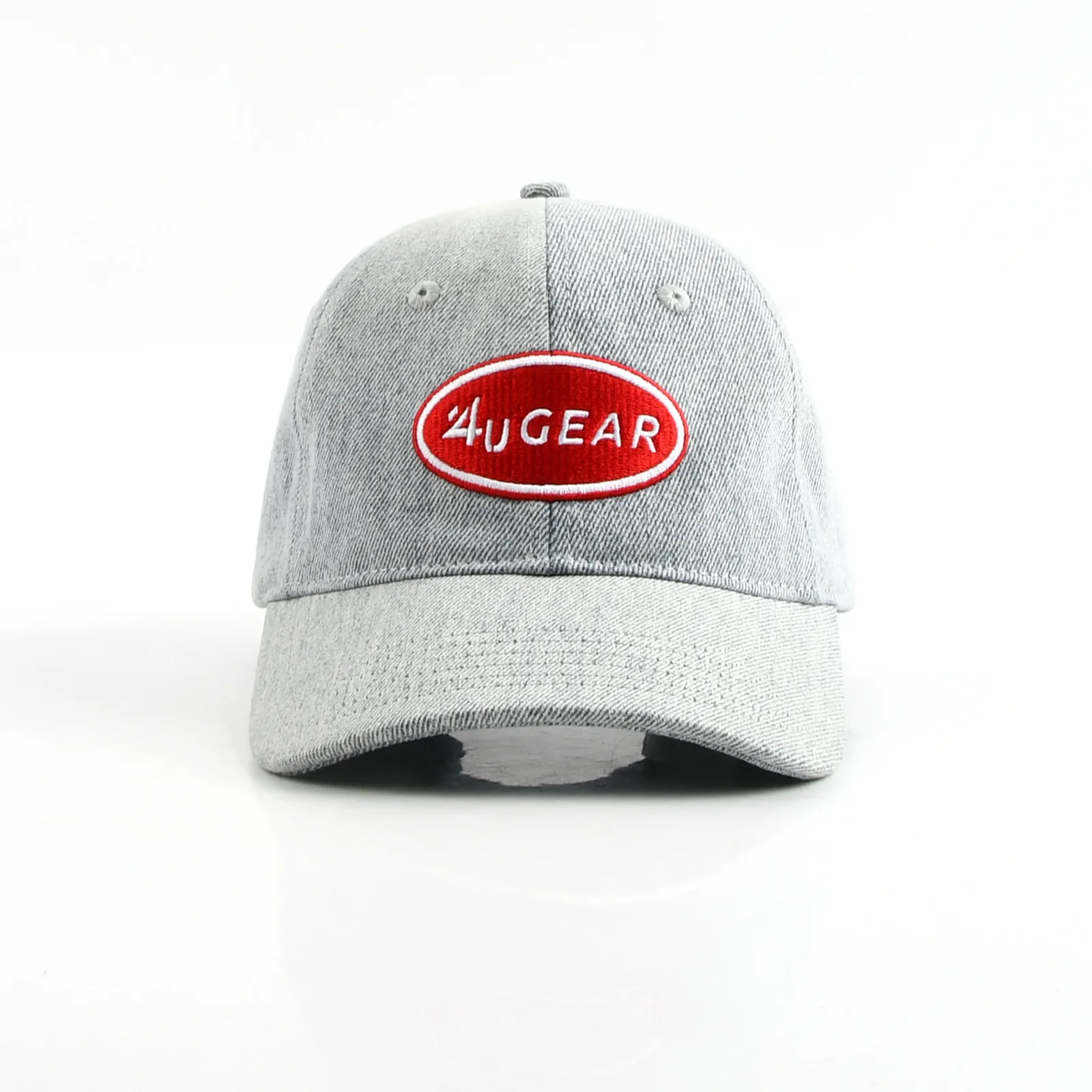
Chenille patches vs. 3D embroidery for custom caps
A buyer-facing comparison of chenille patches and 3D embroidery for premium custom cap programs, including design fit, sampling risk, and repeat-order considerations.
Brand buyers comparing chenille patches and 3D embroidery for premium custom caps should start with the design goal, then check wear environment, MOQ tolerance, and sampling complexity.
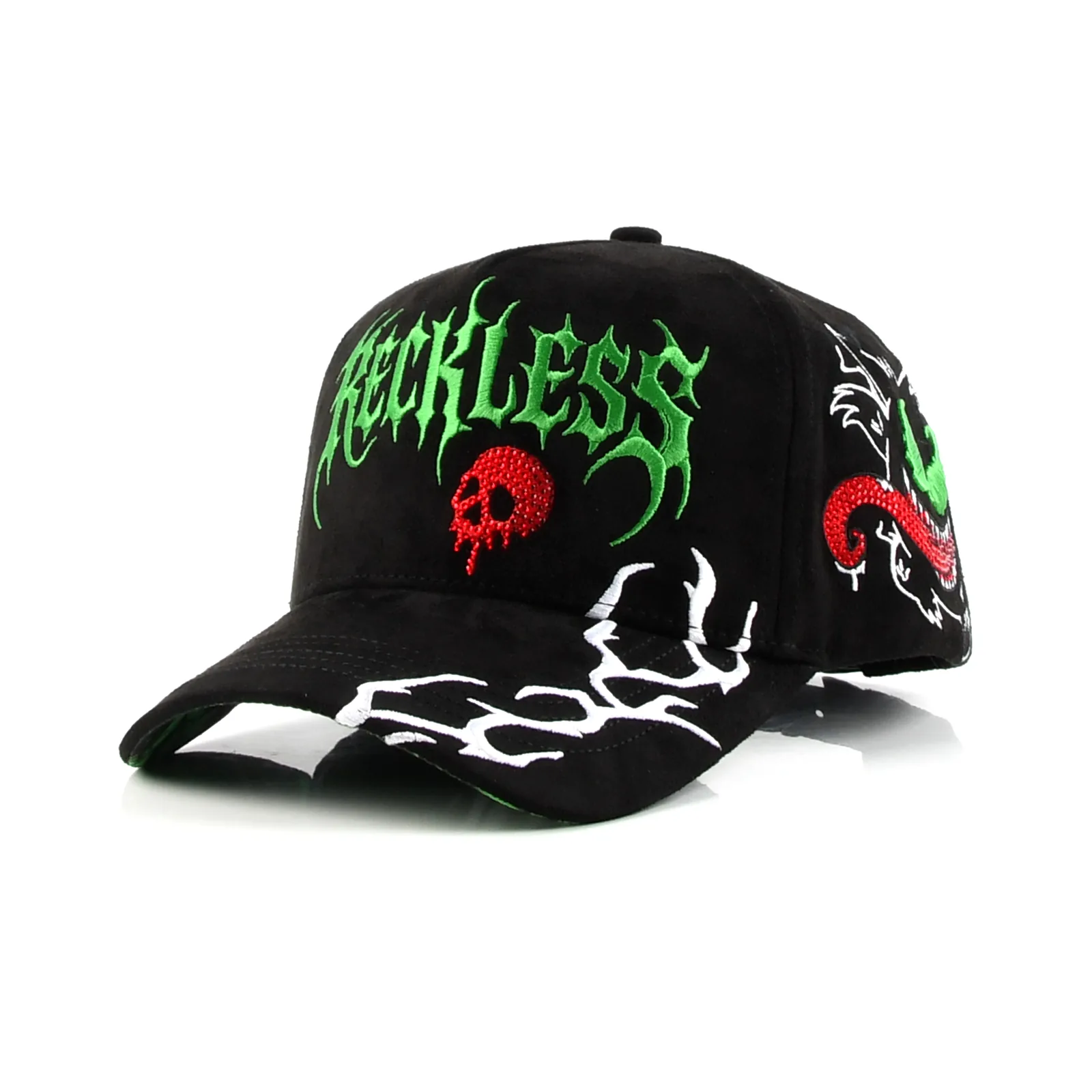
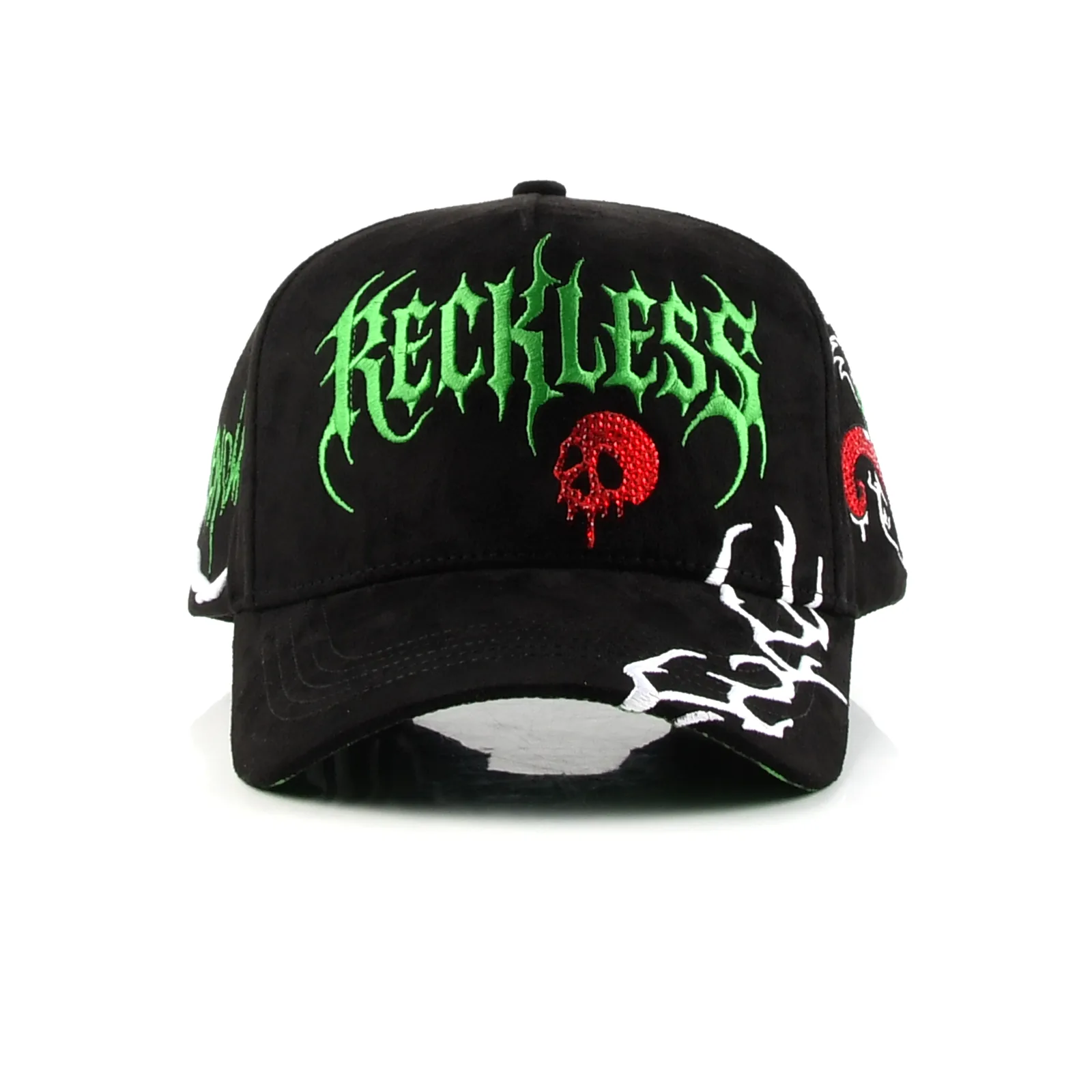
Chenille is stronger when a cap needs a soft varsity texture or a bold decorative statement. 3D embroidery is usually the cleaner option when logo readability, durability, and repeat production matter more.
Quick take: Choose 3D embroidery when the logo needs sharper edges and easier repeatability. Choose chenille when the collection needs texture, heritage attitude, and a more expressive patch-led look.
What buyers are really comparing
Chenille and 3D embroidery can both look premium, but they solve different problems. Chenille is patch-based and texture-led. 3D embroidery is stitch-led and structure-led.
That difference affects logo detail, panel fit, placement flexibility, and how easily the decoration scales across multiple cap programs.
Takeaway: The real choice is not which method looks more premium in isolation, but which one fits the logo shape, cap body, and repeat-production needs.
When chenille patches make more sense
Chenille patches work well when the brand wants a visible texture story and does not rely on fine internal detail. They fit varsity, heritage, and streetwear-led collections especially well.
They also need tighter planning around patch size, border finish, backing, and attachment, because a strong artwork direction can still fail if the front panel is too small or the patch becomes visually heavy.
Takeaway: Chenille is strongest when buyers are investing in texture, softness, and attitude rather than tight logo precision.
When 3D embroidery is the better development choice
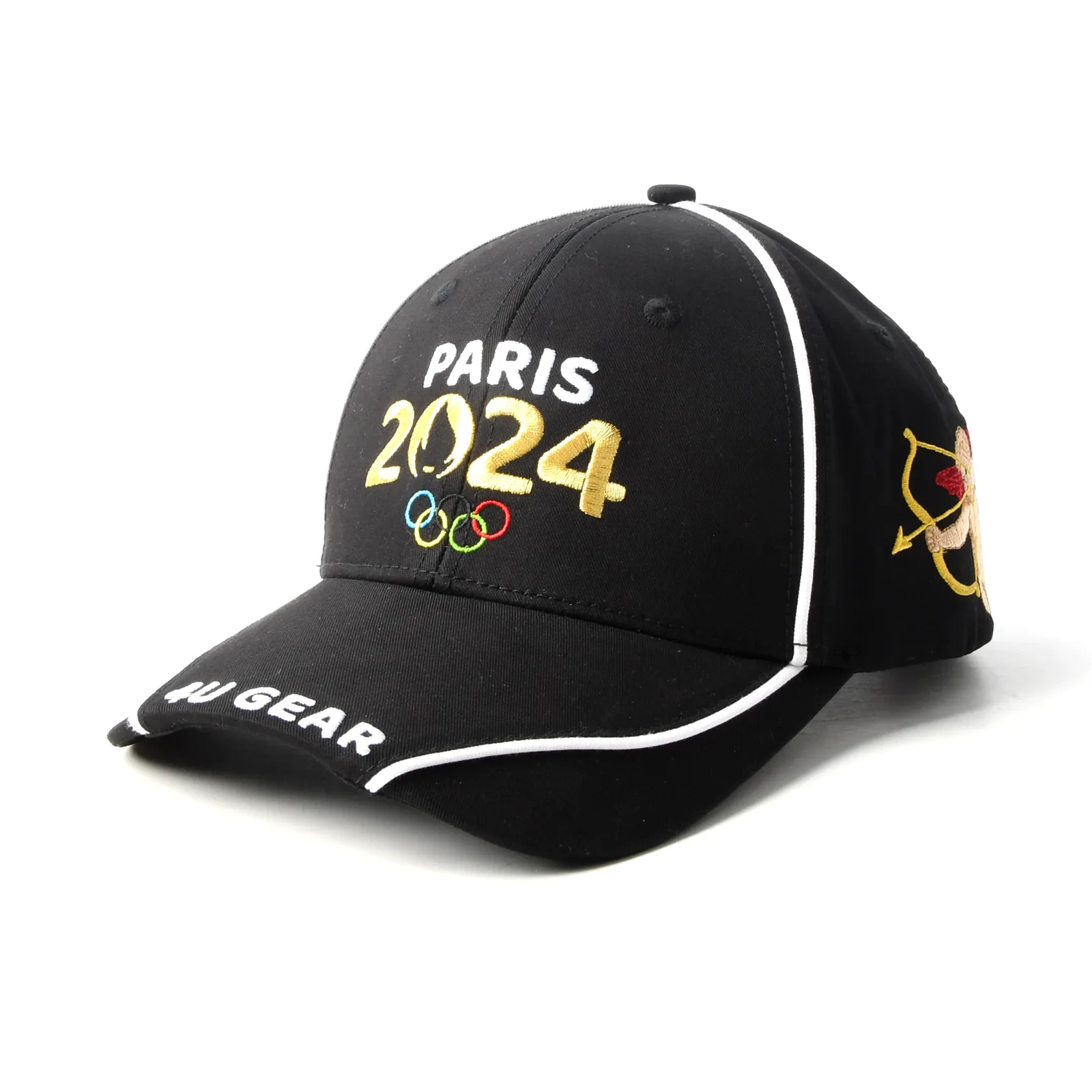
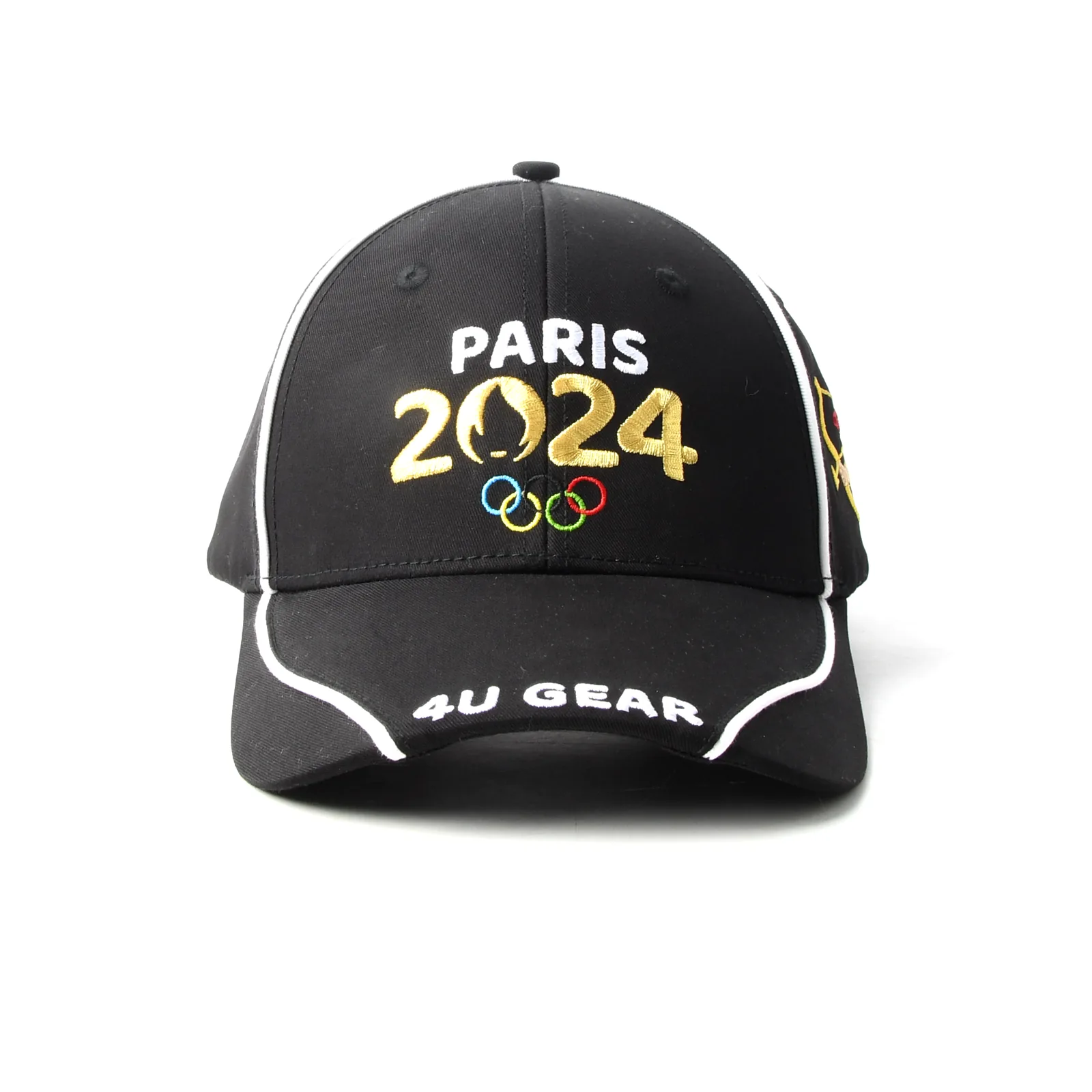
3D embroidery usually works better when the logo needs cleaner edges, clearer recognition, and easier adaptation across baseball caps, trucker hats, and snapbacks.
The development conversation stays closer to thread, foam height, stitch density, and embroidery file setup instead of patch construction variables.
That is why this topic naturally supports pages such as 4UGEAR's premium embroidery capability and broader craftsmanship capability pages.
Takeaway: 3D embroidery is usually the safer first option when repeatability and logo clarity are the priority.
Side-by-side comparison for premium cap programs
Moodboards can make both methods look equally premium, but sampling reveals different risks. A direct comparison gives buyers a better decision framework.
| Factor | Chenille patch | 3D embroidery |
|---|---|---|
| Visual effect | Soft, textured, heritage-led | Raised, crisp, logo-led |
| Fine detail | Weaker for small strokes | Stronger if strokes are embroidery-ready |
| Development variables | Patch size, border, backing, attachment | Foam height, stitch density, file setup |
| Best fit | Streetwear, varsity, statement drops | Repeat logo programs and scalable premium lines |
| Sampling risk | Higher when proportion or placement is unclear | Higher when the logo is too fine for raised stitching |
Takeaway: If the program needs visual texture and personality, chenille can win. If it needs consistency and clean scaling, 3D embroidery usually wins.
Buyer checkpoints before sampling
Before moving into development, buyers should lock a few decisions early so that sampling cost does not rise because of avoidable revisions.
- Check whether the logo depends on fine inner detail that chenille may lose or 3D embroidery may bulk up.
- Confirm whether the panel shape and structure can support the decoration size and thickness.
- Decide whether the program is a one-time hero style or a repeatable multi-SKU program.
- Review whether mixed techniques add real value or just extra sampling complexity.
For teams already moving into development, it helps to review Custom Embroidery for Premium Caps and Complex Craftsmanship Capability.
Takeaway: The earlier buyers define logo detail, panel fit, and repeatability expectations, the easier it is to choose the right craft path.
Conclusion
Chenille patches and 3D embroidery are both valid premium directions, but they support different product goals. Chenille is better for texture, mood, and patch-led identity. 3D embroidery is better for sharper logos, cleaner repeatability, and easier scaling.
If a project is still undecided, review the logo structure and cap body first, then choose the decoration path that matches the sampling route the team can actually manage.
FAQ
Is chenille always more premium than 3D embroidery?
No. Premium depends on whether the craft supports the brand identity, logo clarity, cap body, and sample execution standard.
Which option is easier for repeat orders across different cap styles?
3D embroidery is usually easier to standardize across multiple cap styles because it stays inside the embroidery workflow.
Can buyers combine chenille and 3D embroidery on one cap?
Yes, but mixed decoration should be tested carefully because it can create both stronger visual impact and higher sampling complexity.