


China's 2026 Minimum-Wage Update: What Apparel Buyers Should Recheck
China updated its regional minimum-wage table on 8 October 2026. Apparel and headwear buyers can review OEM budgets without assuming every quote must rise.
China's latest provincial minimum-wage table gives apparel and headwear buyers a timely reason to revisit 2027 cost assumptions. It is a regional wage reference, not an automatic percentage increase to every OEM quote.
Buyer takeaway: Confirm the production location, quote assumptions, labor-sensitive operations and validity period before treating the update as a change in your product cost.
What changed in the latest update
The Ministry of Human Resources and Social Security posted an updated regional table on 8 October 2026, with figures current through 1 October. The table distinguishes locations and local tiers; it does not set one nationwide factory wage or one apparel price. A Tencent News post published on 11 October also discusses the table and regional differences.
Use the ministry table as the primary reference and the Tencent report as supplemental background. Neither source establishes how much any particular supplier's quotation should change.
Why apparel buyers should care
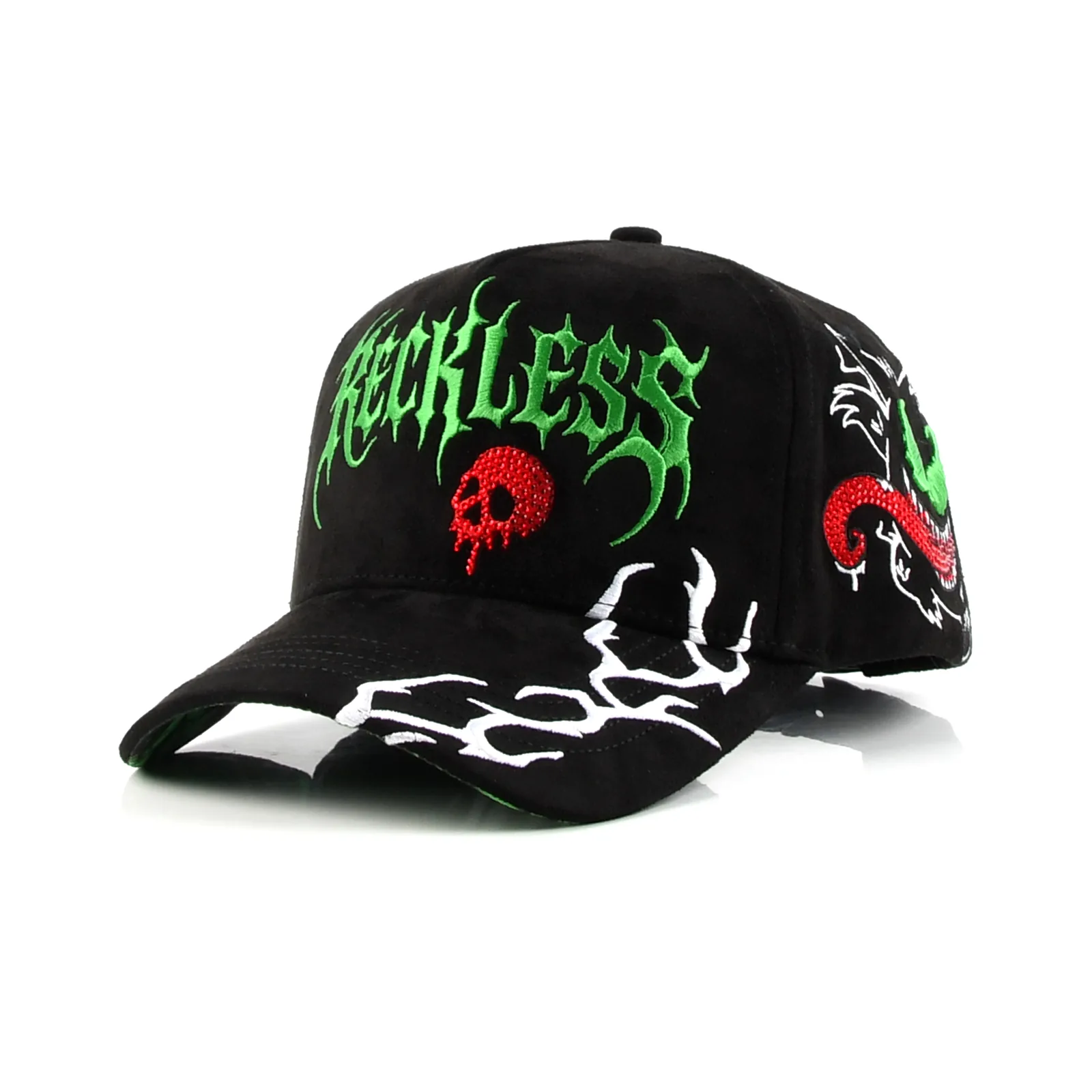
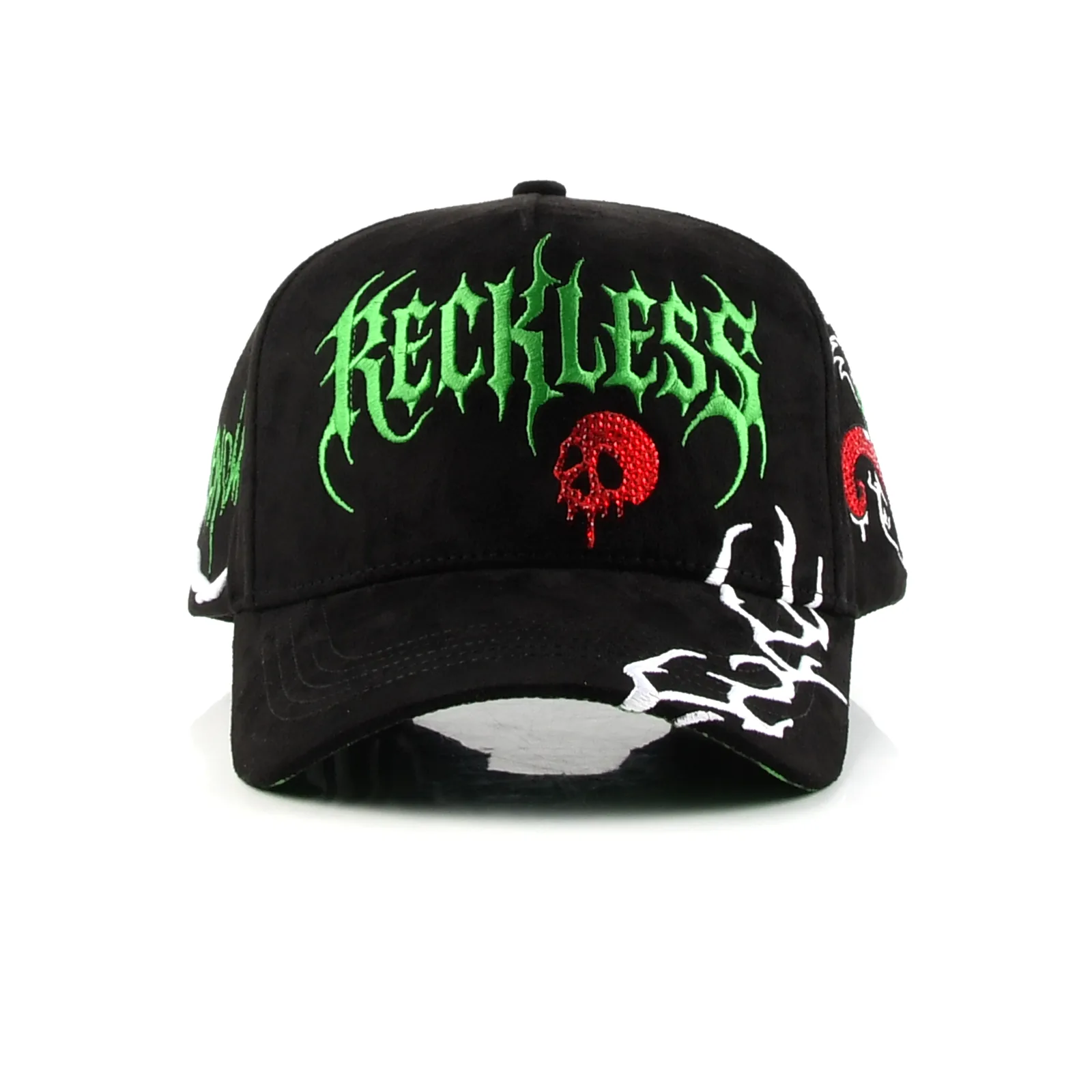
A wage floor can be relevant to labor-intensive work, but a finished-goods quotation also reflects materials, construction, productivity, overhead, compliance, freight, order size and supplier margin. The impact therefore depends on where the work is done and what the quote includes. A sewing-heavy cap, an embroidered panel and a simpler cut-and-sew item can carry different labor assumptions even when they come from the same sourcing region.
Buyer takeaway: Treat the table as a prompt to verify assumptions, not as proof that a supplier has raised—or should raise—your price.
Translate the table into a quote review
Start with the actual production route. Confirm the legal entity, facility and any subcontracted step that materially affects the product. Then ask which wage reference date and location the current quote assumes. You do not need an individual payroll ledger; you need a clear explanation of the quote basis and any changed scope.
| Review area | Question to ask | Buyer use |
|---|---|---|
| Production location | Which site and local tier are in scope? | Match the reference to the actual route. |
| Labor-sensitive work | Are sewing, embroidery and finishing included? | Understand which operations could affect cost. |
| Quote scope | Are fabric, trims, packaging and quality checks unchanged? | Separate wage discussion from specification changes. |
| Timing | When does the price expire, and does it cover samples and bulk? | Keep development and production budgets comparable. |
Check before you approve a purchase order
- Confirm the factory and production route for the item, including any material subcontracted operation.
- Ask the supplier to identify the quote date, validity period and any changed cost assumptions.
- Compare like-for-like specifications, quantities, decoration, packaging and delivery terms.
- Separate sample charges from bulk pricing, and record what could trigger a revision.
- If a price changes, request the specific scope or timing reason rather than applying a broad wage percentage yourself.
Buyer takeaway: Keep the comparison on the same product specification, quantity and delivery window; otherwise a price movement cannot be attributed cleanly.
Protect sampling and 2027 program timing
Do not stop a sound sample solely because a regional table changed. Keep approved development moving while confirming whether the sample quote and bulk quote use the same assumptions. Before a 2027 launch, align quote expiry with material booking, sample approval, production capacity and shipment windows. If those dates cross a quote-validity boundary, ask for a written reconfirmation before committing.
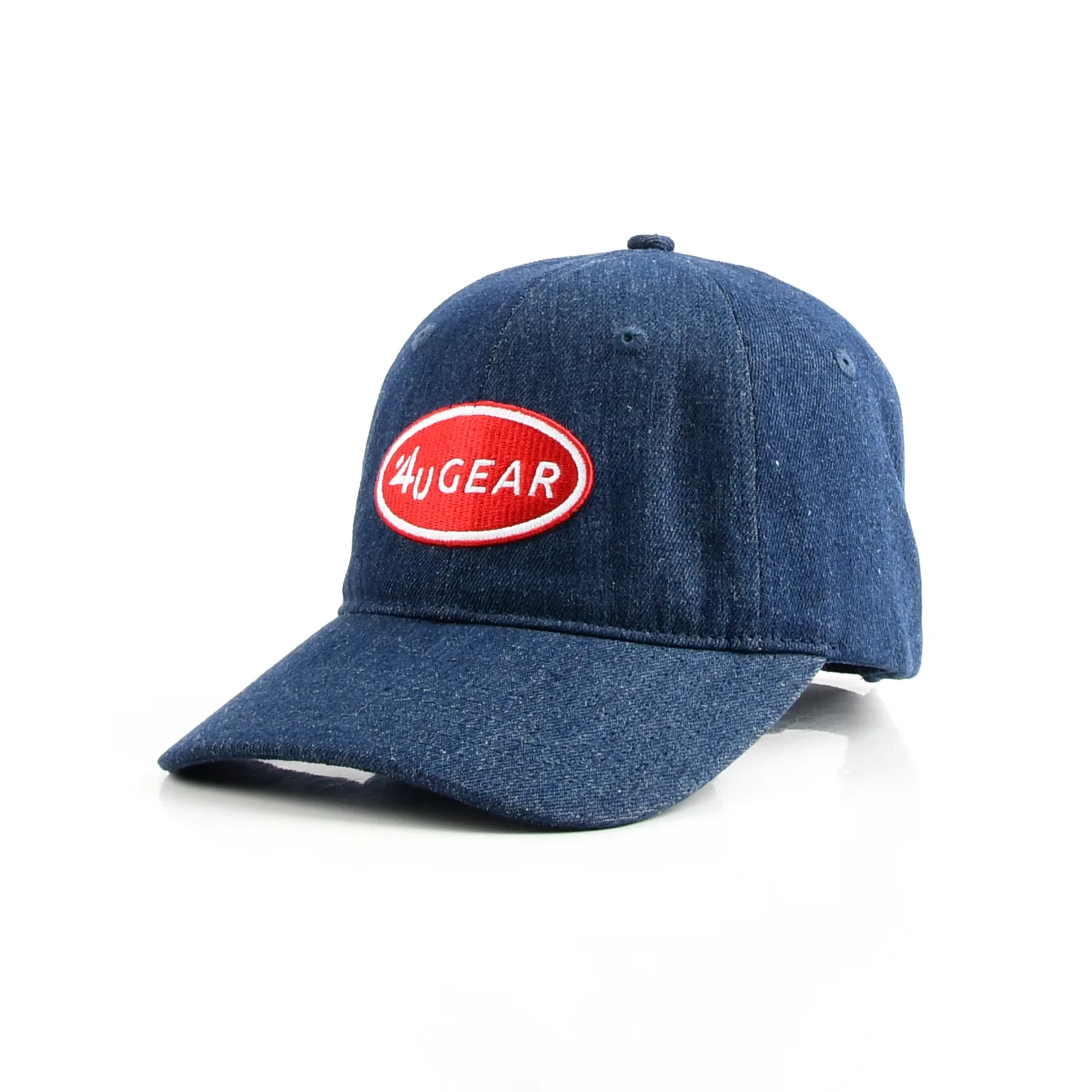
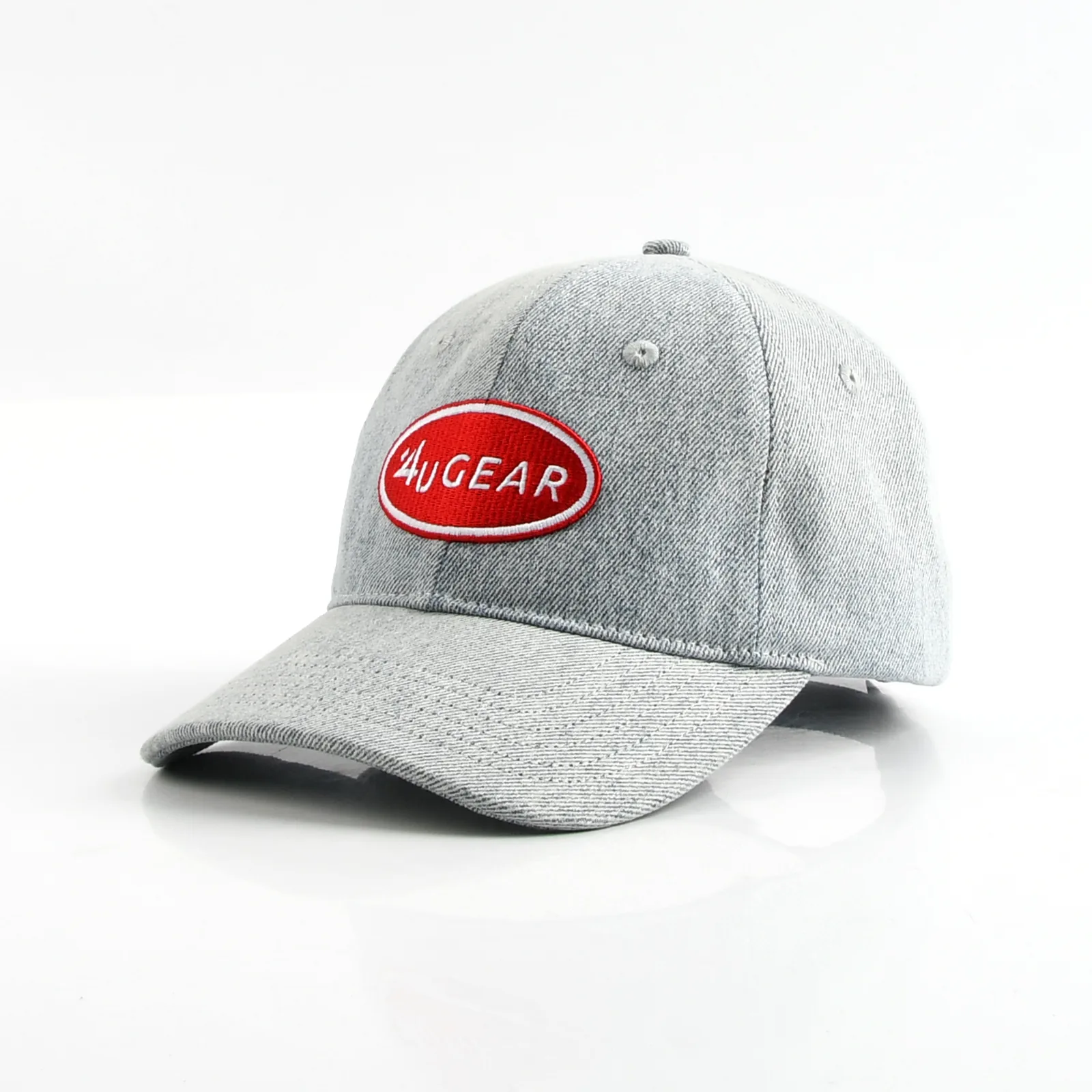
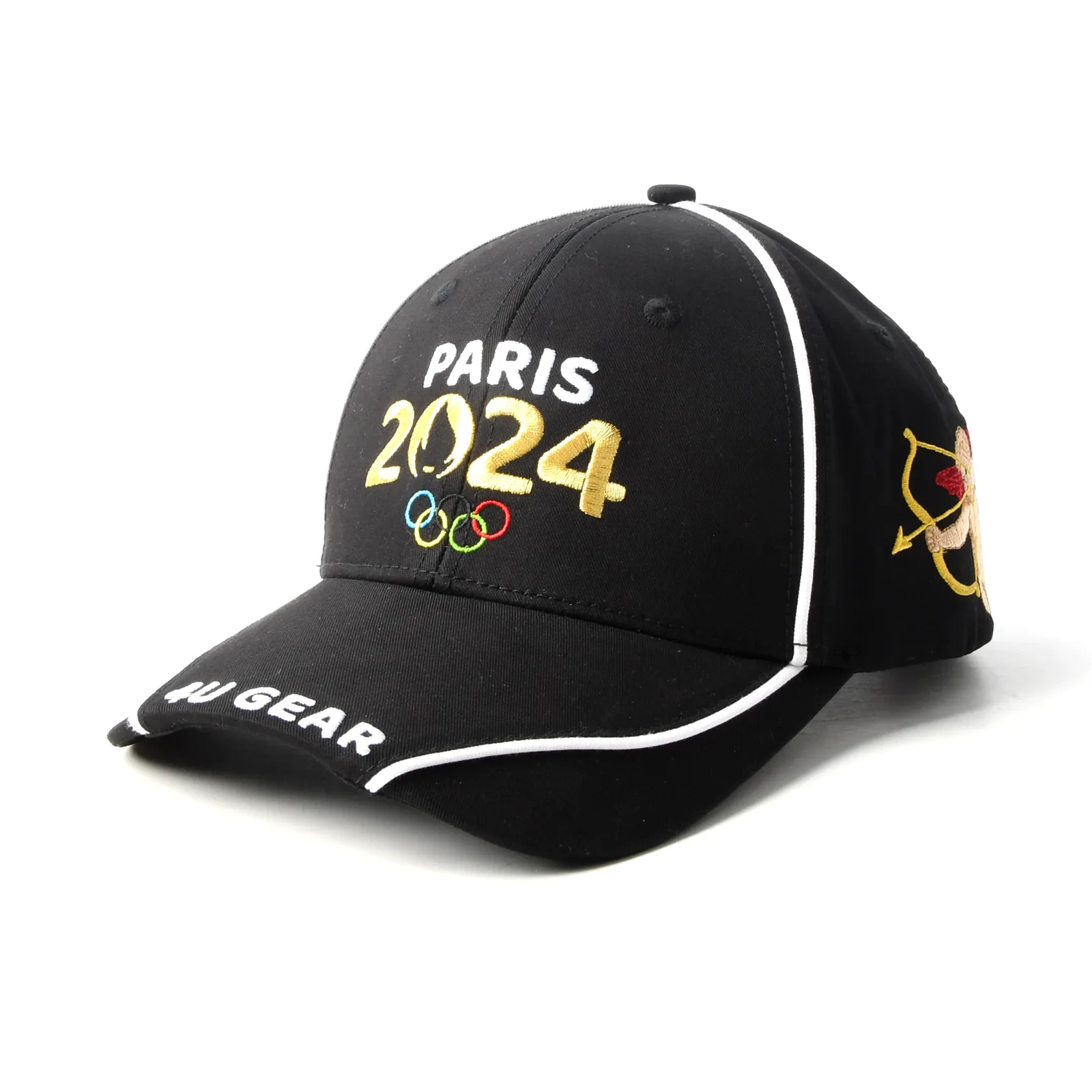
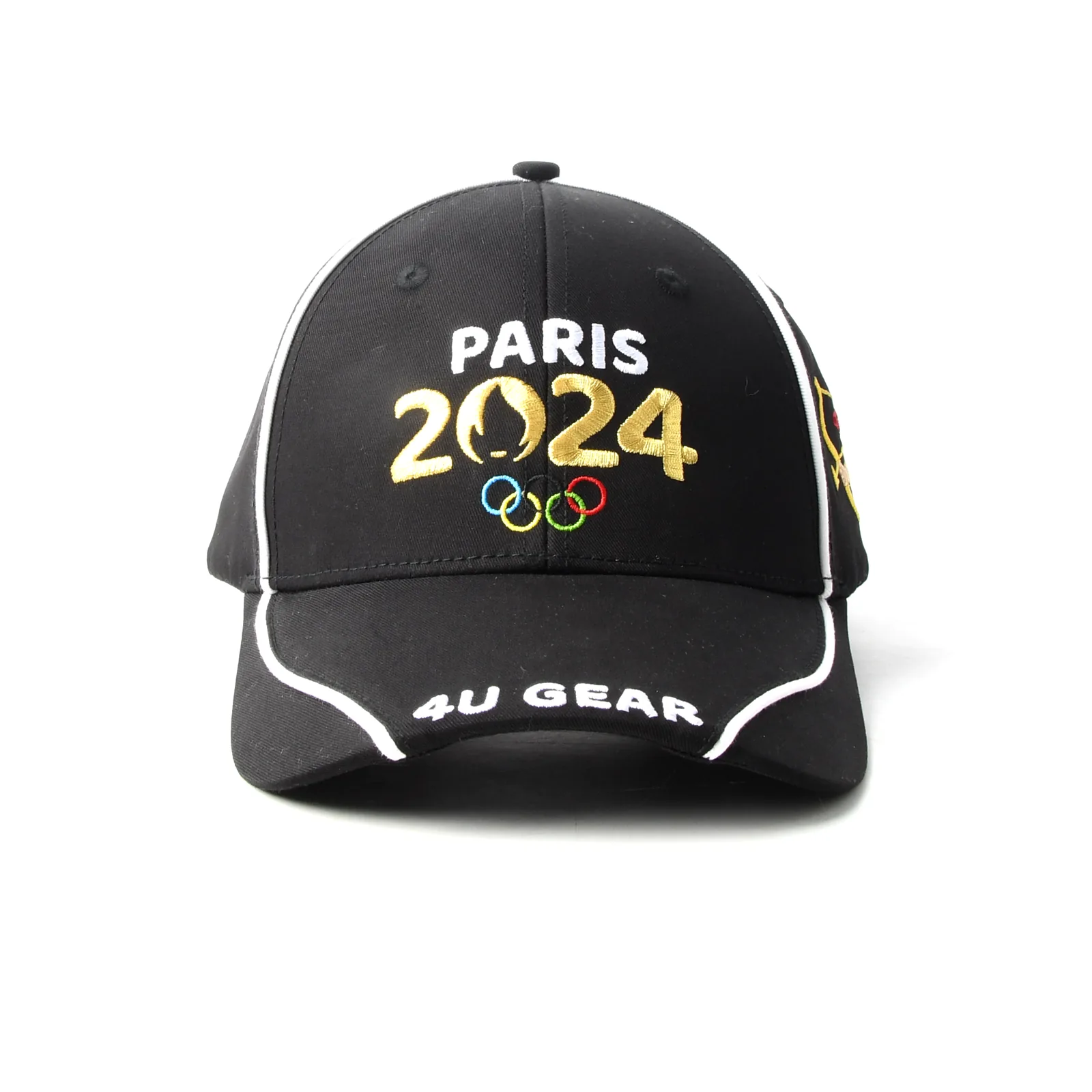
For headwear, include embroidery, patch application, panel assembly and finishing in the discussion where relevant. This does not mean every cap will cost more; it helps buyers understand which design choices, quantities or process steps are driving the quote.
Buyer takeaway: If a quote expires before a 2027 production milestone, get written reconfirmation before the purchase commitment.
Questions buyers commonly ask
Does the update mean every apparel quote will rise?
No. The table is a regional wage reference. Supplier pricing also depends on specifications, productivity, order size, materials, logistics and commercial terms.
Should we pause sampling?
Usually not on this evidence alone. Continue samples that still meet the brief, and confirm the price basis and expiry before moving from sample approval to bulk commitment.
What should we request if a supplier cites labor cost?
Ask for the affected production location, operation, effective timing and quote scope. A concise, itemized explanation is more useful than a blanket percentage, and it does not require private employee payroll records.
How does this apply to custom caps?
Check labor-sensitive steps such as embroidery, panel construction and finishing alongside fabric, trims and quantity. The relevant question is how the chosen construction affects this program's quote.
Next step
Use the 4UGEAR headwear OEM services to align product, quantity, development, delivery and quote assumptions. For headwear, the complex headwear craftsmanship capabilities gives buyers a route to review construction and decoration choices against the same checklist.
Referenced external resources
- ministry table mohrss.gov.cn
- Tencent report news.qq.com