





Comment rediger un brief de sample de casquette baseball avec moins de revisions
Ce guide explique quoi verrouiller en premier dans un brief de sample de casquette baseball pour que la premiere ronde teste les bons points.
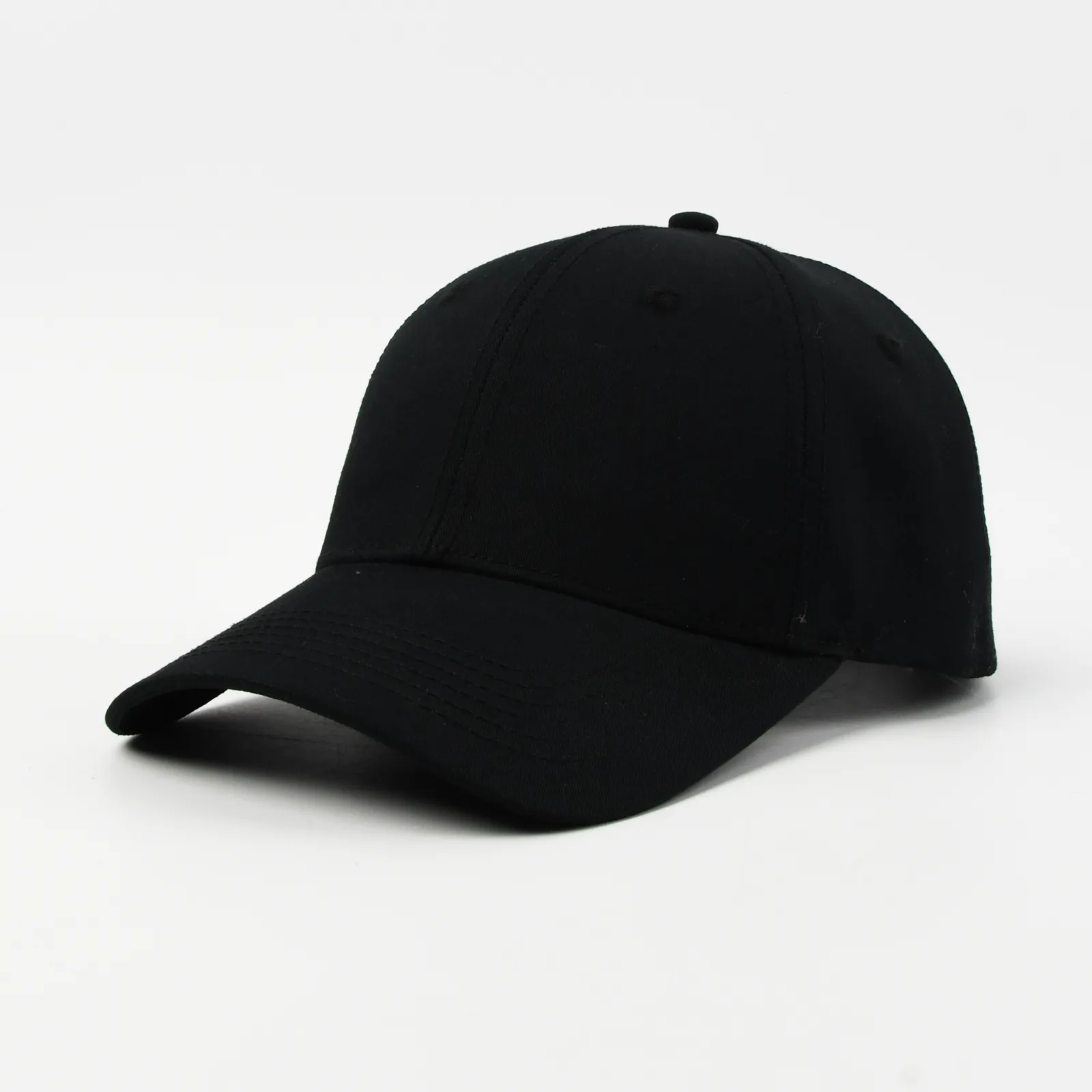
Beaucoup de samples de casquette baseball n'echouent pas a cause de l'execution, mais a cause d'un brief flou. Si la hauteur frontale, la courbure de la visiere, le toucher matiere et l'echelle du logo ne sont pas hierarchises, la premiere ronde teste trop de choses a la fois.
En bref : Un bon brief ne donne pas le meme poids a tout. Il dit clairement ce qui doit etre juste d'abord, ce qui peut bouger ensuite et ce qui ne peut pas changer sans confirmation.
Pourquoi la premiere ronde derive
La plupart des problemes viennent de priorites melangees. Les photos de reference montrent une direction, mais pas ce qui compte le plus.
Ce qui doit etre fixe d'abord
| Niveau | A verrouiller |
|---|---|
| Corps et fit | Profil, hauteur frontale, structure, courbe de visiere, intention de taille |
| Matiere | Tissu principal, bandeau, fermeture, logique du dessous de visiere |
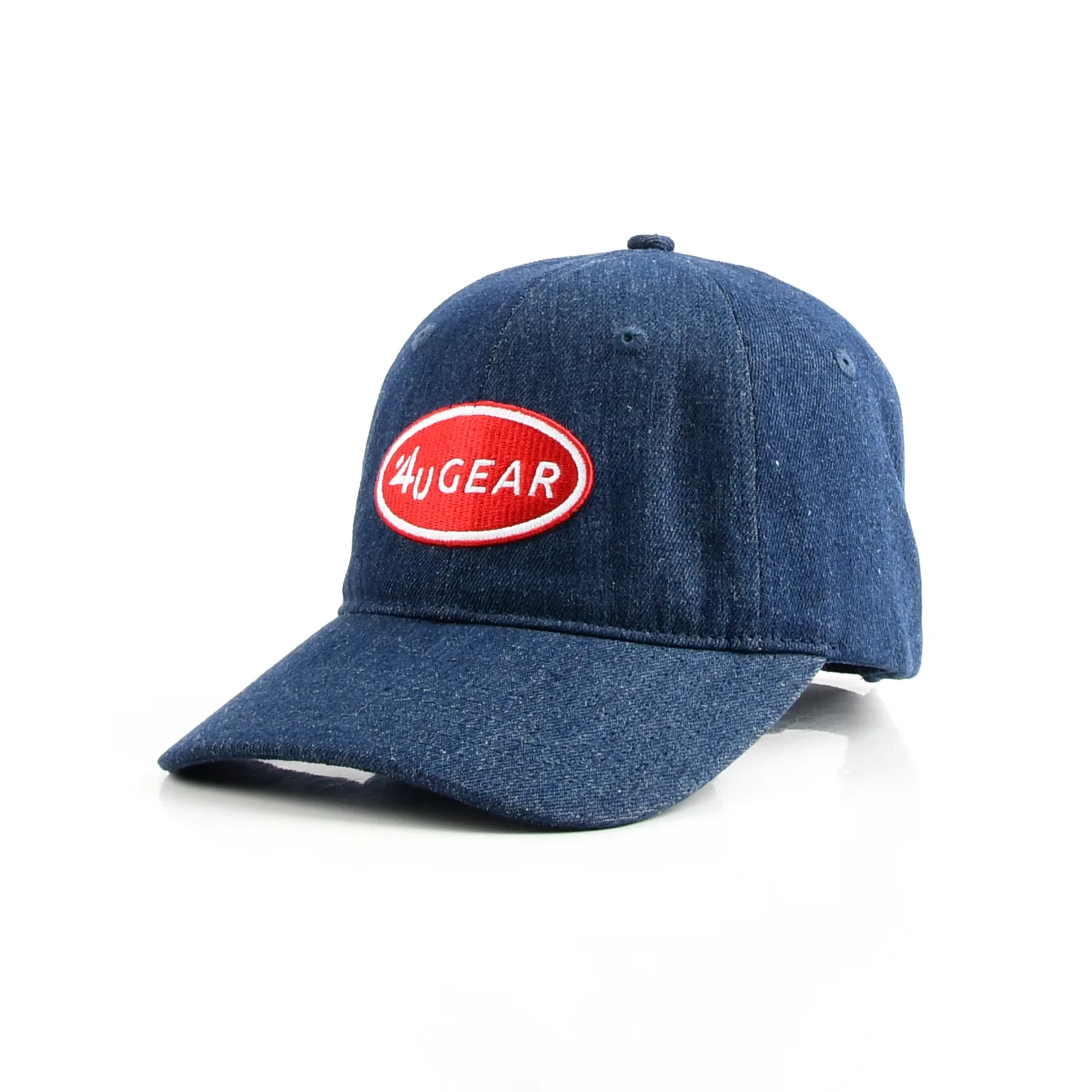
| Decoration | Taille du logo, placement, technique, direction cle |
| Objectif | Ce que le premier sample doit prouver |
Ce qu'il ne faut pas laisser implicite
- Si la premiere ronde teste silhouette, decoration ou les deux.
- La forme cible ecrite en mots, pas seulement en photo.
- Si la visiere doit etre plus plate, plus courbe, plus souple ou plus ferme.
- Les un ou deux risques principaux.
Comment reduire le bruit de revision
Il est utile de separer les commentaires sur le corps des commentaires sur la decoration. Il faut aussi distinguer les points critiques pour l'approbation des simples preferences.
Comment 4UGEAR peut aider
4UGEAR peut transformer des references dispersees en instruction de sample plus claire. Voir aussi ce qu'il faut preparer avant le sampling et OEM / ODM Headwear Services.
Resume : Moins de revisions viennent le plus souvent d'un brief plus clair, pas seulement d'une usine plus rapide.
FAQ
Quelle est l'erreur la plus courante ?
Tester trop de priorites dans une premiere ronde sans les classer.
Les photos de reference suffisent-elles ?
Non. Elles montrent une direction, mais pas l'ordre des priorites.