




Как превратить мудборд в понятное для фабрики задание на семпл
Многим брендам не не хватает идей. Им не хватает перевода идей в исполнимое задание. Это руководство объясняет, как превратить изображения, материалы, отделку, посадку и упаковку в понятный для фабрики семпл бриф.
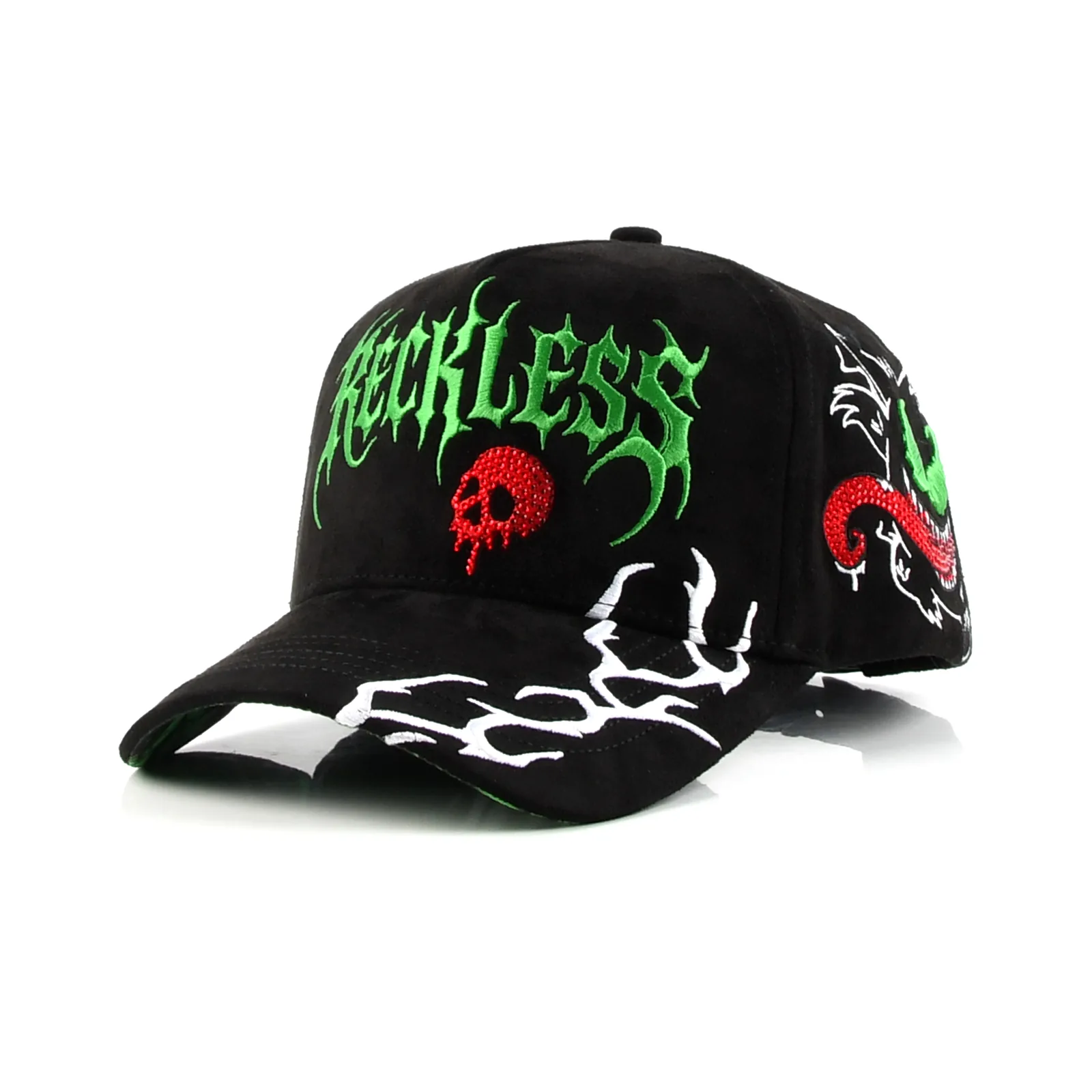
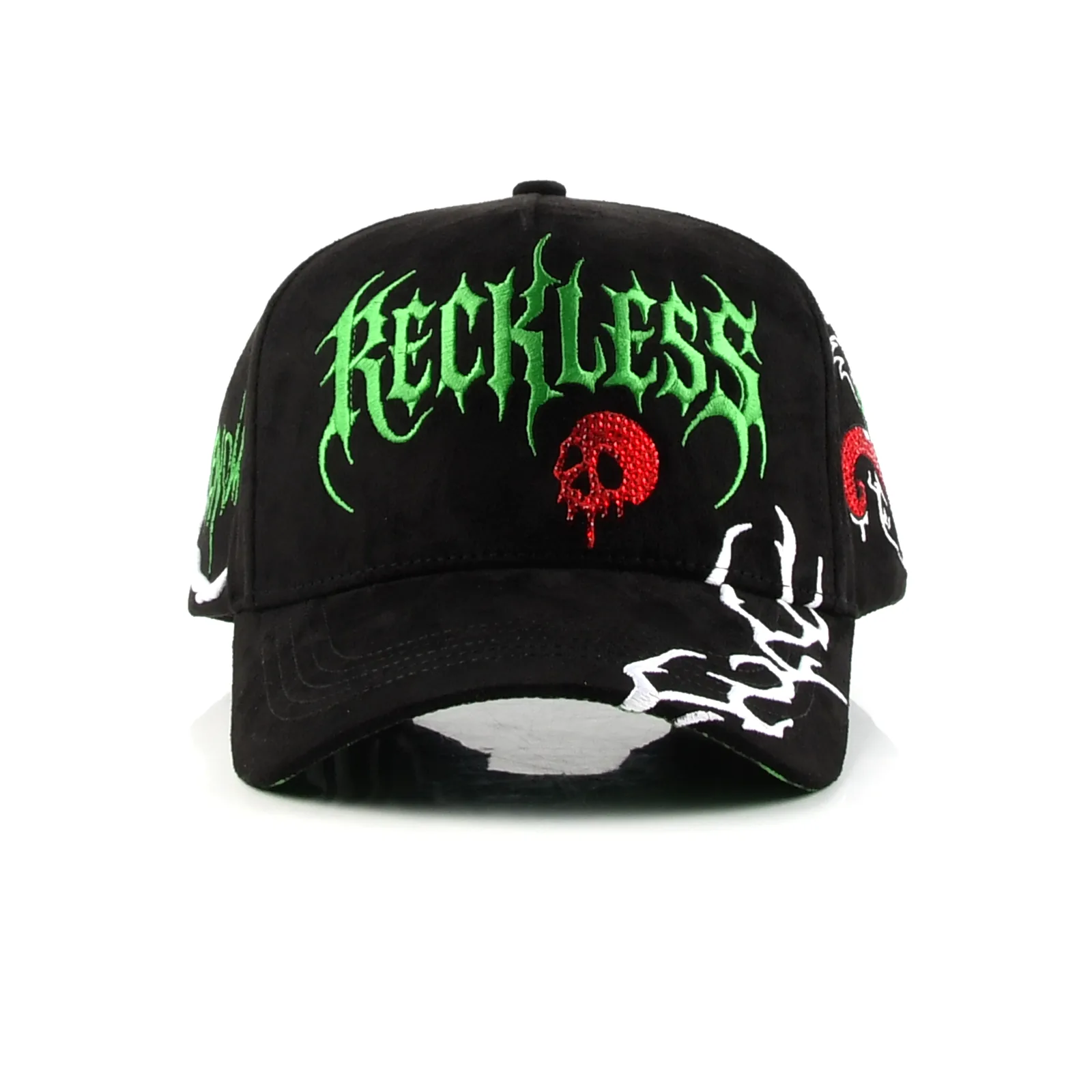
Многие проблемы на этапе семпла начинаются не из-за нехватки идей. Они начинаются потому, что идеи не были переведены в инструкции, которые фабрика действительно может исполнить. Мудборд полезен для передачи настроения, визуального направления и характера бренда, но если покупатель отправляет только несколько картинок, расплывчатые комментарии и ориентир по бюджету, фабрика получает не задание, а эстетическую загадку.
Поэтому один и тот же набор референсов у разных поставщиков может дать совершенно разные семплы. Настоящая проблема часто не в том, способна ли фабрика произвести изделие. Проблема в том, объяснил ли бренд ключевые решения, стоящие за картинками. Для головных уборов, уличной одежды и проектов с заметной глубиной отделки важнее превратить мудборд в исполнимый семпл бриф, чем собирать еще больше вдохновения.
Почему мудборд не равен заданию на семпл
Мудборд передает направление, но не исполнение. Он хорошо показывает цвет, форму, атмосферу и стилистическое намерение, но сам по себе не сообщает фабрике, какой вес ткани нужен, насколько жесткой должна быть передняя часть, какой изгиб нужен козырьку, какой толщины должен быть патч и нужно ли проверять упаковку в том же цикле. Если этого слоя нет, фабрика начинает угадывать, и семпл может выглядеть близко, но оставаться неправильным.
Покупателю важно помнить, что фабрика не читает вкус. Она исполняет решения. Настоящее задание должно перевести "что нам нравится" в "что этот семпл обязан подтвердить". Иначе семплирование только откладывает расхождение мнений.
Что должно входить в понятный для фабрики семпл бриф
Как минимум, безопасно делить содержание на шесть слоев: тип продукта, ткань и тактильность, логотип и метод отделки, конструкция и посадка, комплектующие и упаковка, а также главный фокус проверки текущего раунда. Покупателю не нужно писать каждый блок как полный технический пакет спецификаций, но фабрика все равно должна понимать, что можно менять, а что не должно сдвигаться.
| Модуль | Что должен определить покупатель | Почему это важно |
|---|---|---|
| Основа продукта | Тип кепки или категория, целевой силуэт, сценарий использования | Не дает фабрике собирать верные детали на неверной основе |
| Ткань и тактильность | Основная ткань, вес, поверхность, эффект стирки, сезонность | Многие различия стиля на самом деле являются различиями в выборе ткани |
| Логотип и отделка | Вышивка, патч, печать, металлическая фурнитура, размер и позиция | Иерархия отделки напрямую меняет ощущение бренда и стоимость |
| Конструкция и посадка | Жесткость переда, изгиб козырька, глубина, характер посадки | Без структурных заметок семпл может быть правильным только на фото |
| Комплектующие и упаковка | Этикетки, подвесные ярлыки, внутренняя тесьма, индивидуальная упаковка, коробка | Эти пункты часто откладывают, хотя они влияют на общий вывод |
| Фокус проверки | Три главные вещи, которые должен подтвердить этот раунд | Помогает фабрике направить усилия в нужную точку |
Покупатели чаще ошибаются в порядке, а не в креативе
Слабые задание чаще ломаются не из-за одной недостающей картинки, а из-за неправильной очередности решений. Покупатель слишком долго обсуждает размер логотипа до фиксации конструкции, меняет цвет до выбора ткани или думает об упаковке до того, как решит, служит ли этот раунд проверке посадки, отделки или почти финальному одобрению. Семпл меняется в каждом раунде, но проект так и не отвечает на самый важный вопрос.
Более безопасный подход состоит в том, чтобы прописать цель текущего раунда в верхней части задания. Если раунд нужен только для проверки формы и ткани, финальность логотипа и упаковки не должна рассматриваться как обязательная. Если раунд уже близок к коммерческому одобрению, тогда основная отделка, комплектующие и индивидуальная упаковка не должны оставаться расплывчатыми.
В чем поставщик действительно должен помогать на этом этапе
Сильный поставщик делает больше, чем просто принимает изображения и шьет один семпл. Он должен помочь покупателю увидеть, где референсы противоречат друг другу, какие решения по отделке влияют на стоимость и срок, что нужно ставить в приоритет и какие проблемы кажутся визуальными, но на самом деле являются конструкционными. Иначе говоря, ценность поставщика не только в том, что он умеет производить. Его ценность в том, что он умеет превращать неясное направление в исполнимый путь разработки.
Именно поэтому проекты с более выраженной идентичностью бренда, более сложной отделкой или реальным планом на тираж обычно требуют большего, чем базовый поставщик, который просто принимает заказ. партнер по разработке помогает убрать шум решений до семпла. Базовый поставщик чаще переносит неясный задание прямо в образец.
Что брендам делать дальше
Если ваши референсы пока живут в основном как сохраненные картинки, следующим шагом должно быть не увеличение их числа, а раскладка по шести разделам: силуэт продукта, ткань, отделка, конструкция, комплектующие и фокус проверки. Даже три или пять ясных строк под каждым разделом будут полезнее, чем мудборд без логики исполнения.
Если следующий этап связан с формальной подготовкой к семплу, начните с что подготовить до семплирования. Если проект уже входит в разработку головных уборов, дальше полезно открыть как проходит семплирование кастомных кепок.