





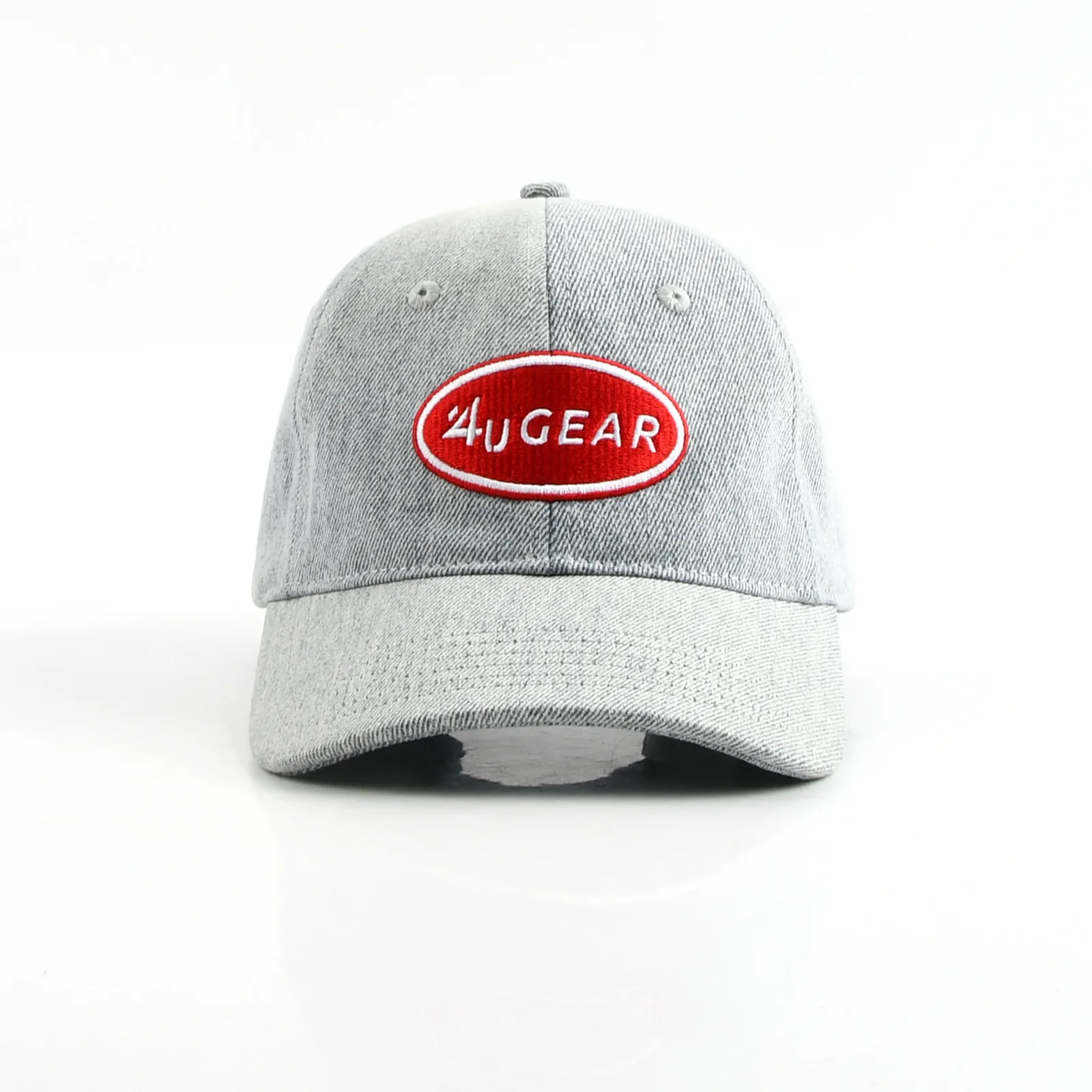


Cosa dovrebbero bloccare i buyer prima del sampling di una trucker cap con frontale in foam
Questa guida mostra quali punti devono essere chiari prima del primo sample di una trucker cap con frontale in foam.
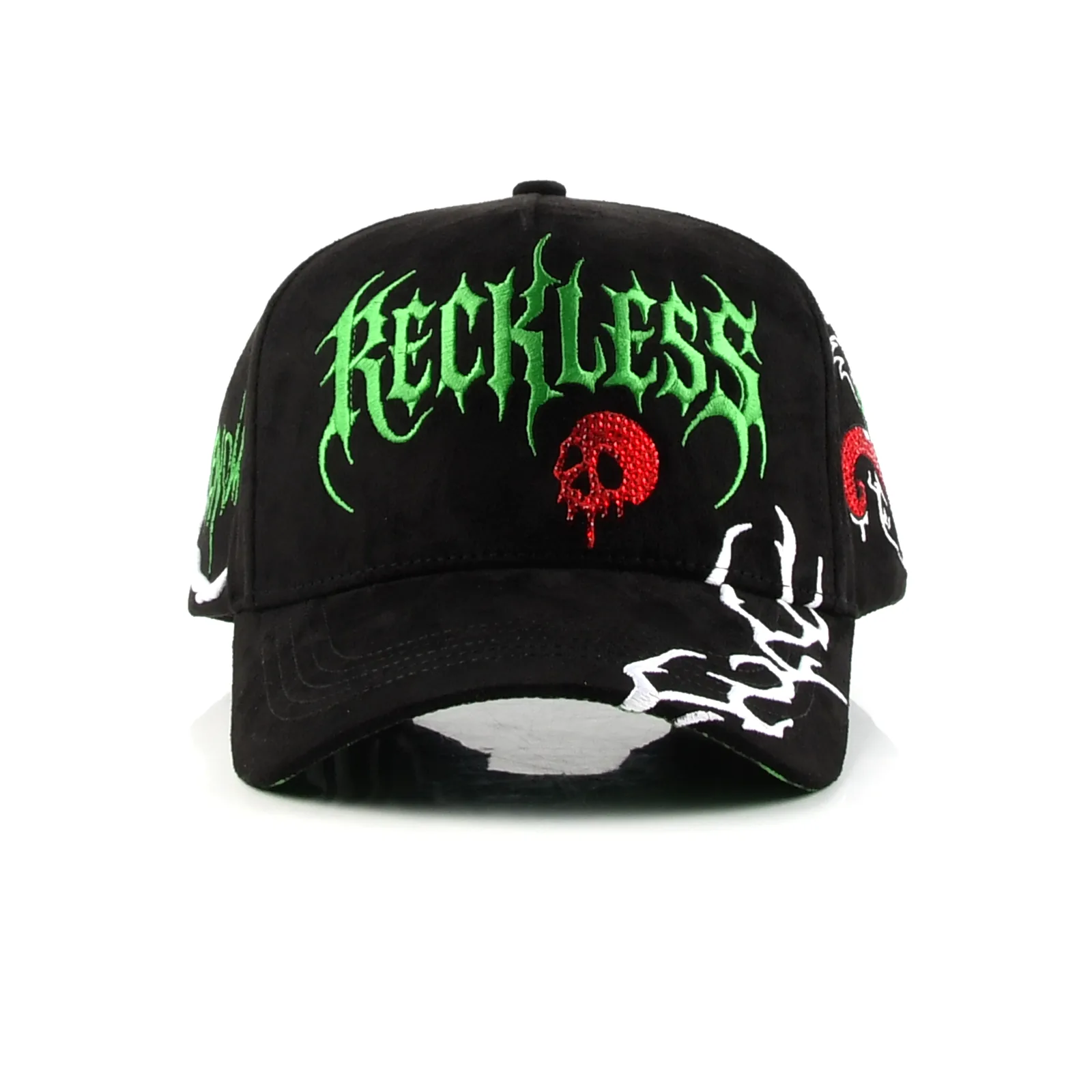
Le trucker cap con frontale in foam sembrano semplici, ma molti primi sample deviano perche il buyer non blocca se altezza frontale, rigidita del foam, scala del patch, tipo di mesh o equilibrio della visiera debbano portare il compito visivo principale. Se tutto resta implicito, il sample risponde spesso alla domanda sbagliata.
Sintesi rapida: Prima del primo sample bisogna bloccare altezza frontale, sensazione del foam, proporzione della decorazione, tipo di mesh e curva della visiera.
Definizione: Una trucker cap con frontale in foam usa un pannello piu spesso e piu grafico di un trucker standard. Per questo gli errori di proporzione risultano piu visibili.
Perche questi sample si spostano facilmente
Il frontale piu forte rende piu visibili sia le buone decisioni sia quelle sbagliate. Un patch un po troppo grande o un frontale troppo alto possono far sembrare la cap immediatamente economica.
Cosa bloccare prima del primo sample
- Altezza frontale obiettivo.
- Se il foam deve risultare piu fermo o piu morbido.
- Metodo decorativo e scala esatta.
- Tipo di mesh coerente con la direzione di mercato.
- Curva della visiera coerente con la lettura voluta.
Cosa non puo restare solo nelle foto
Conviene scrivere se il patch deve guidare il frontale o solo sedersi in modo pulito al suo interno. Va chiarito anche se la cap e per streetwear, retail estivo, evento o programma base.
Tabella dei rischi
| Rischio | Input forte | Input debole |
|---|---|---|
| Proporzione frontale | Altezza e scala patch sono definite | Si scrive solo “trucker classica” |
| Sensazione del foam | La rigidita viene descritta | Nessuno definisce la durezza del pannello |
| Equilibrio visiera | La curva segue l altezza frontale | La visiera resta di default |
Cosa deve provare il primo sample
Il primo giro deve provare prima la logica del body e del frontale. I dettagli finali possono arrivare dopo.
In sintesi: Un sample foam-front migliora quando la missione del frontale viene scritta con chiarezza.
Come aiuta 4UGEAR
4UGEAR aiuta a trasformare una direzione visiva ancora larga in una rotta di sampling piu pulita. Le pagine utili sono Cosa ci serve prima del sampling e Come funziona il sampling per cappelli custom.
FAQ
Il frontale in foam deve sempre sembrare alto
No. Alcuni programmi hanno bisogno di una proporzione piu bassa.
Si possono lasciare le etichette finali per dopo
Si, se il rischio principale e ancora nella proporzione del body.
Qual e l errore piu comune
Lasciare troppo vaga l altezza frontale e la scala della decorazione.