


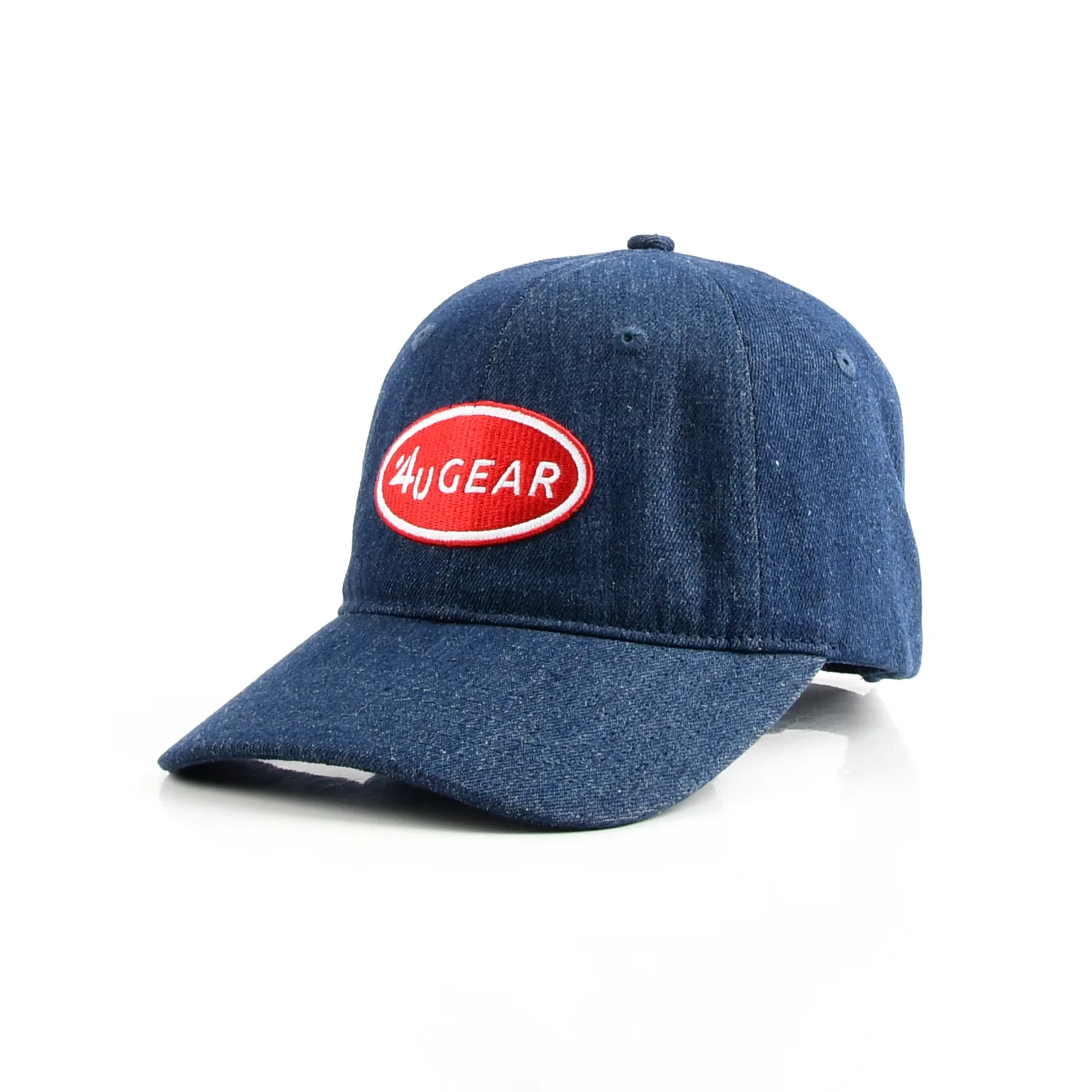
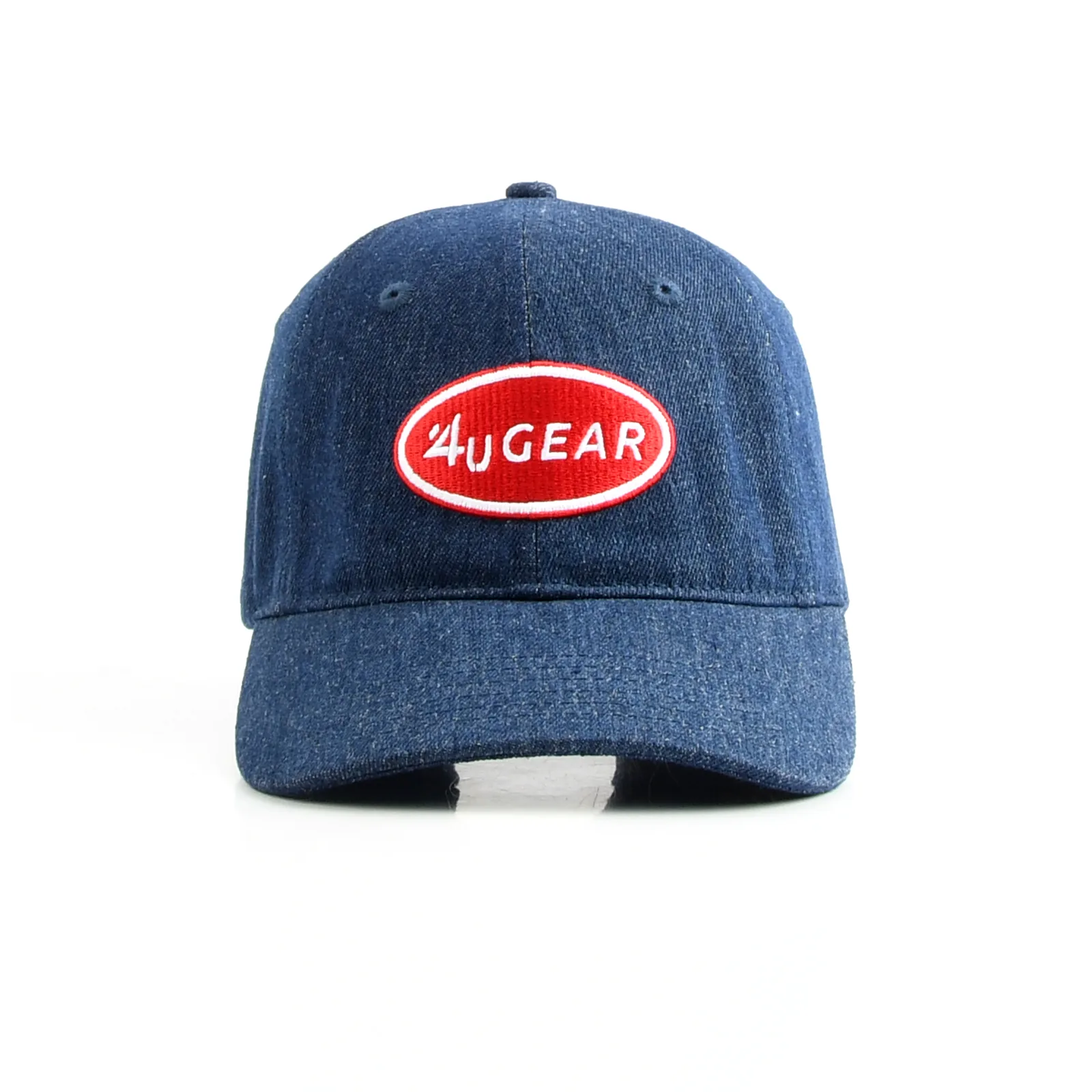
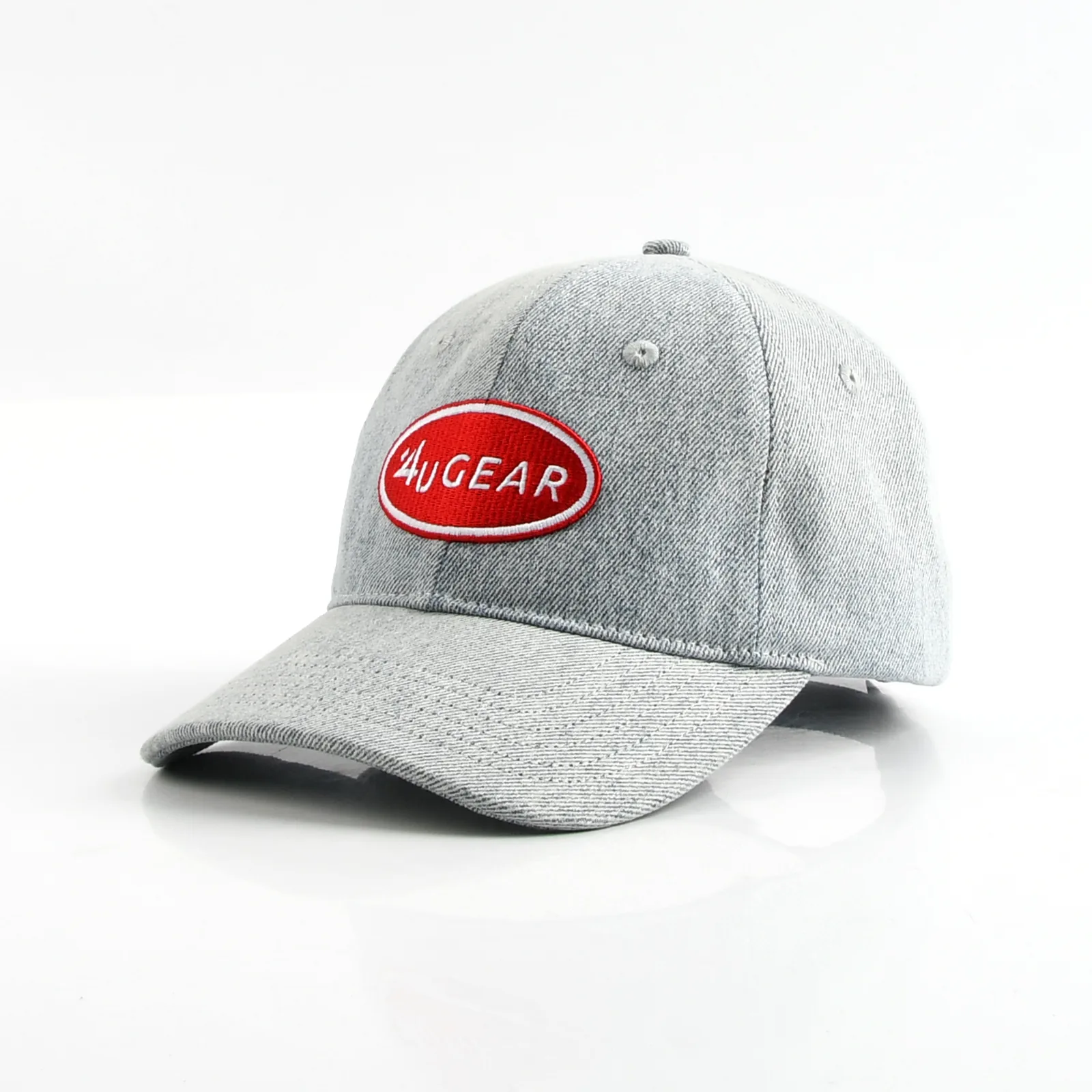
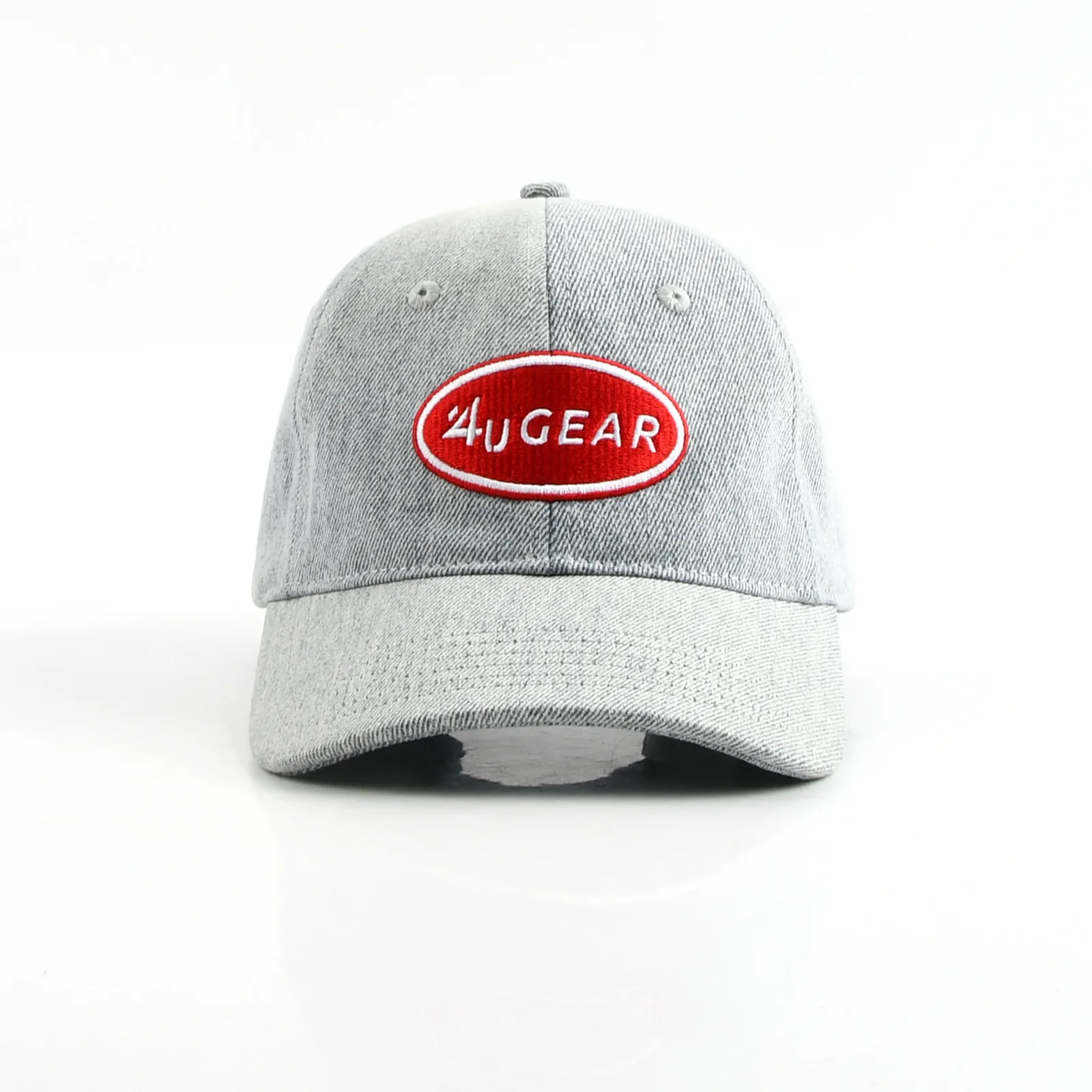


Usine chinoise de casquettes ou societe de sourcing: quel choix pour des caps custom
Ce guide aide les acheteurs a decider quand une usine chinoise convient mieux et quand un modele trading suffit.
Many buyers say they want a Chinese hat supplier, but the more practical sourcing choice is often between two supplier models: a factory-side partner or a trading company.
Key point: A factory is usually stronger when the buyer needs clearer cap structure decisions, craft judgment, and tighter sample-to-bulk follow-through. A trading company may be enough when the product is simple and the buyer mainly wants convenience.
Why buyers often confuse these two routes
Both routes can provide quotations, samples, and order follow-up, but once the project includes structure choices, mixed decoration, packaging decisions, or repeat-order control, the route matters more than many buyers expect.
When a factory-side partner is usually better
- The cap body still needs front-end judgment on fit, crown, visor, and closure.
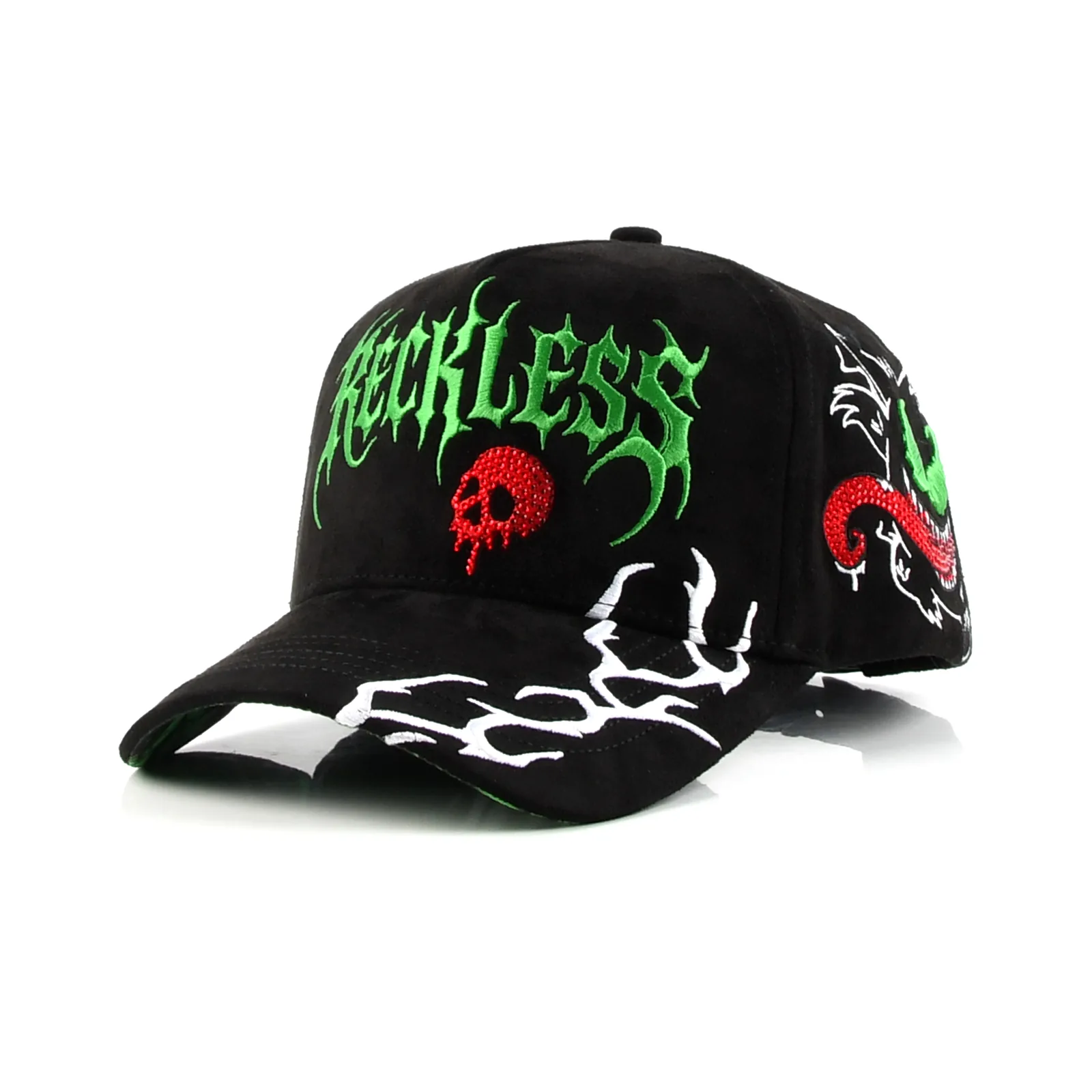
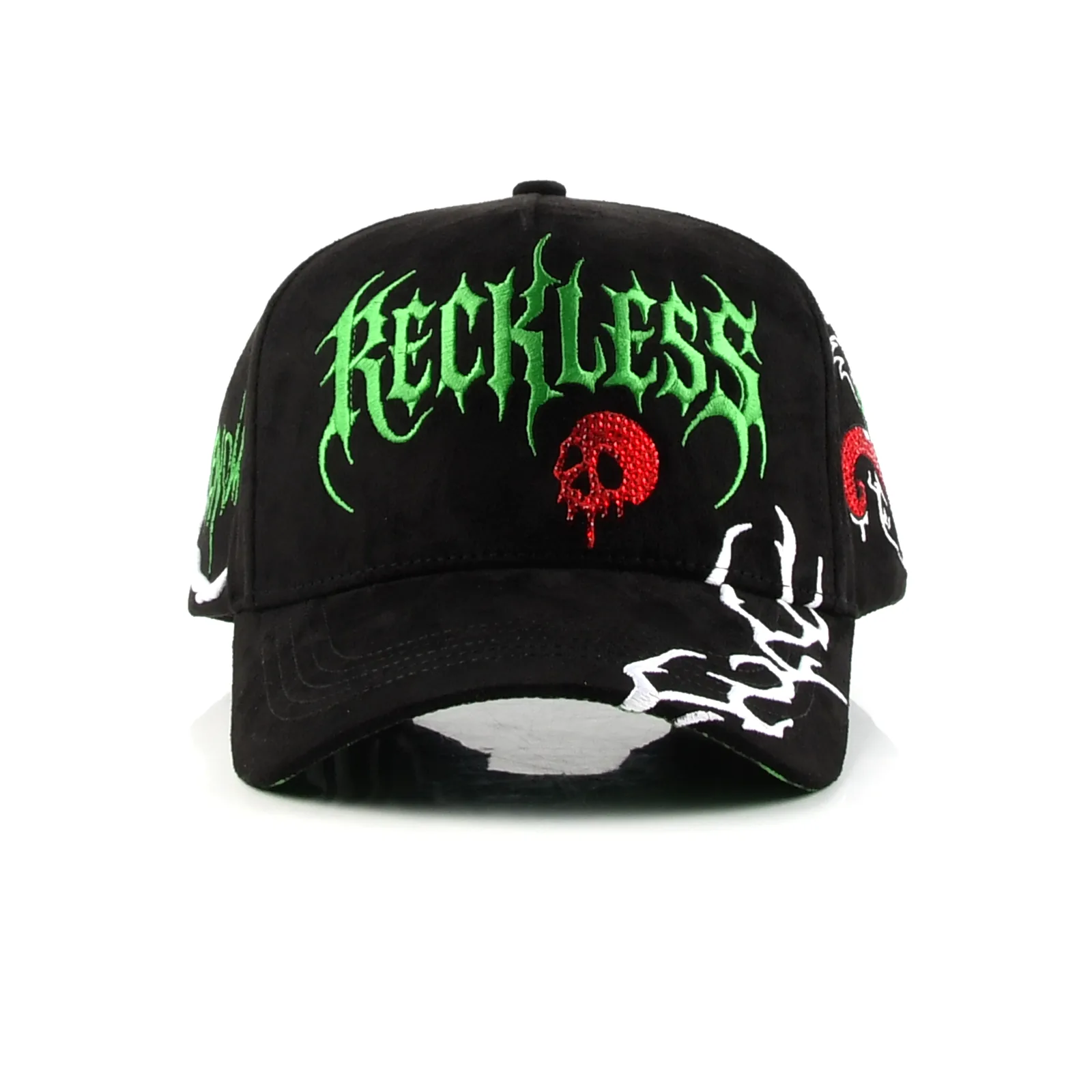
- The project includes embroidery, patches, metal trims, or mixed craft details.
- The buyer wants sampling feedback early instead of only a fast quotation.
- Repeat orders and approved details matter after the first run.
- Packaging and branding details need to be discussed before bulk production.
When a trading model may still be enough
| Project type | Why trading may fit | What the buyer may give up |
|---|---|---|
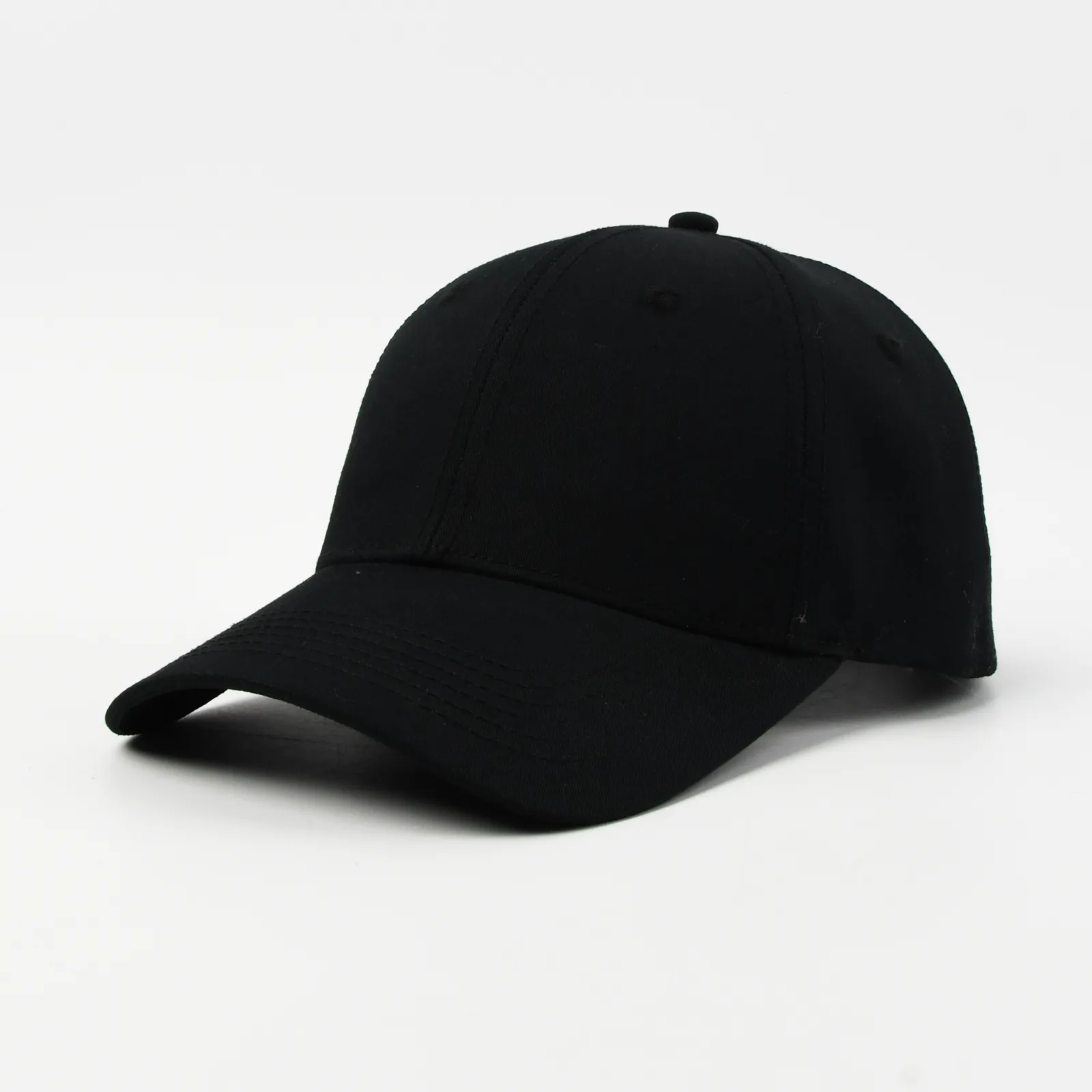
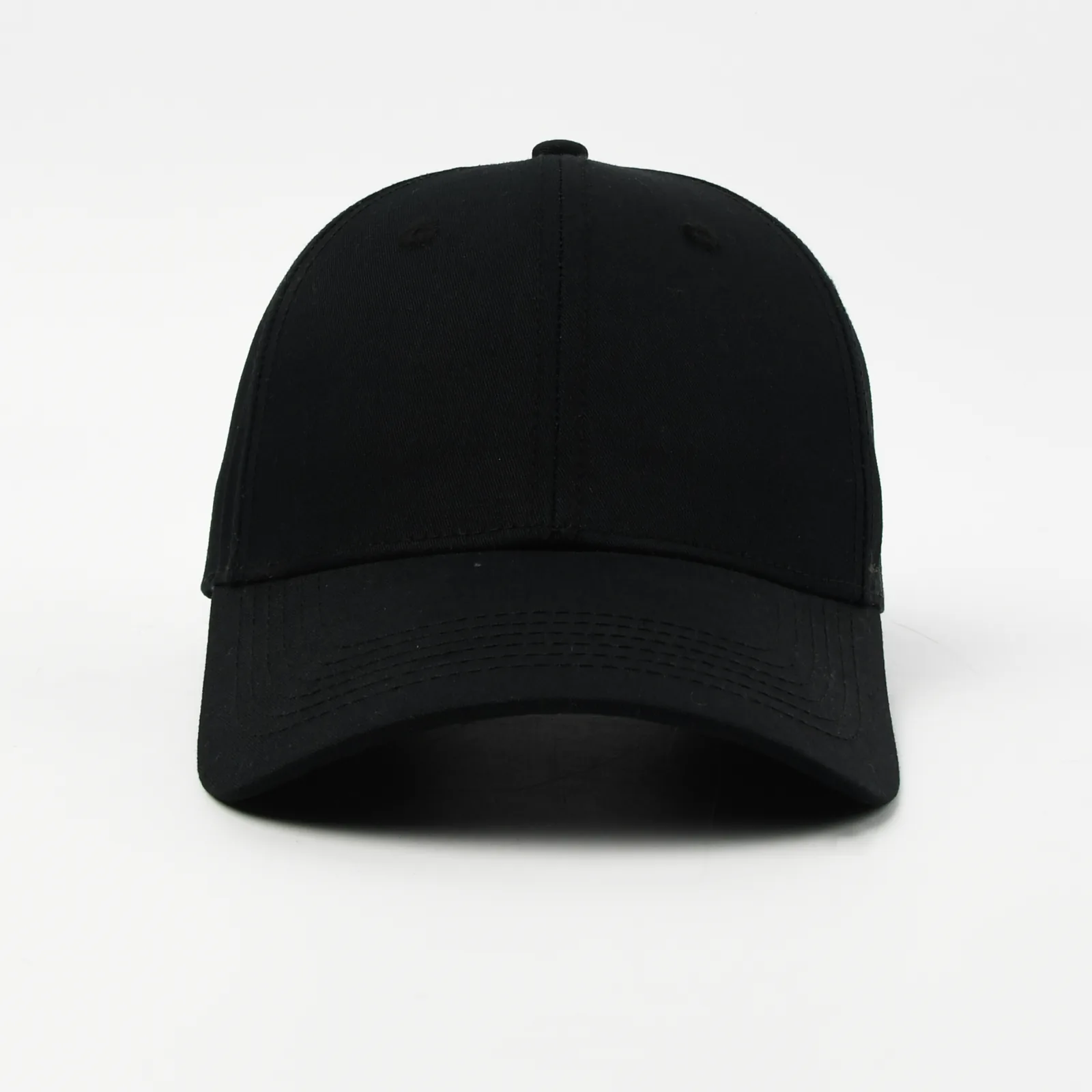
| Very basic blank-cap sourcing | Convenience and lower-touch coordination may be enough. | Less development judgment and less direct process visibility. |
| Price-first opportunity buying | The buyer may only need a quick market-style quotation route. | Lower control over details, revisions, and repeat stability. |
| Wide but shallow catalog shopping | A trading company may make it easier to collect multiple options fast. | The project can remain fragmented behind the scenes. |
What buyers should test before choosing the route
- Who will answer fit and structure questions if the first sample looks wrong.
- Who owns the sampling path and the revision logic.
- Who keeps approved material, craft, and packaging details for repeat orders.
- Does the buyer mainly need execution convenience or actual development support.
How 4UGEAR fits this decision
4UGEAR is stronger when the buyer needs a factory-side custom headwear partner rather than only a sourcing layer.
FAQ
Is a trading company always worse?
No. It may be perfectly fine for simpler, lower-risk projects.
Is a factory always the cheapest choice?
Not always. The value often appears in better control, not only lower cost.
What is the first signal that a buyer needs a factory-side partner?
If the main questions are about fit, structure, craft, and sampling, the buyer usually needs more direct factory-side support.