


How to Develop a Running Cap: A Buyer Guide to Fit, Fabric, and Performance
A practical guide to developing running caps around airflow, moisture management, fit security, decoration, quality checks, and delivery planning.
A running cap is not simply a lightweight baseball cap. For a brand developing performance-inspired headwear, the useful product decision is to balance heat release, sweat management, fit security, packability, decoration, and delivery cost in one brief. The cap body, fabric, sweatband, closure, brim, and decoration should be tested as a system before the range expands.
Buyer decision: Start with the wearer, climate, activity duration, and target retail price. Then lock the cap structure and fabric before choosing graphics or adding trims.
What a running cap must do
The main job is stable comfort while the wearer moves. A suitable cap should keep its shape without feeling heavy, move moisture away from the forehead, allow heat to escape, and stay secure when the wearer turns or increases pace. These requirements change the development brief more than a trend colour does.
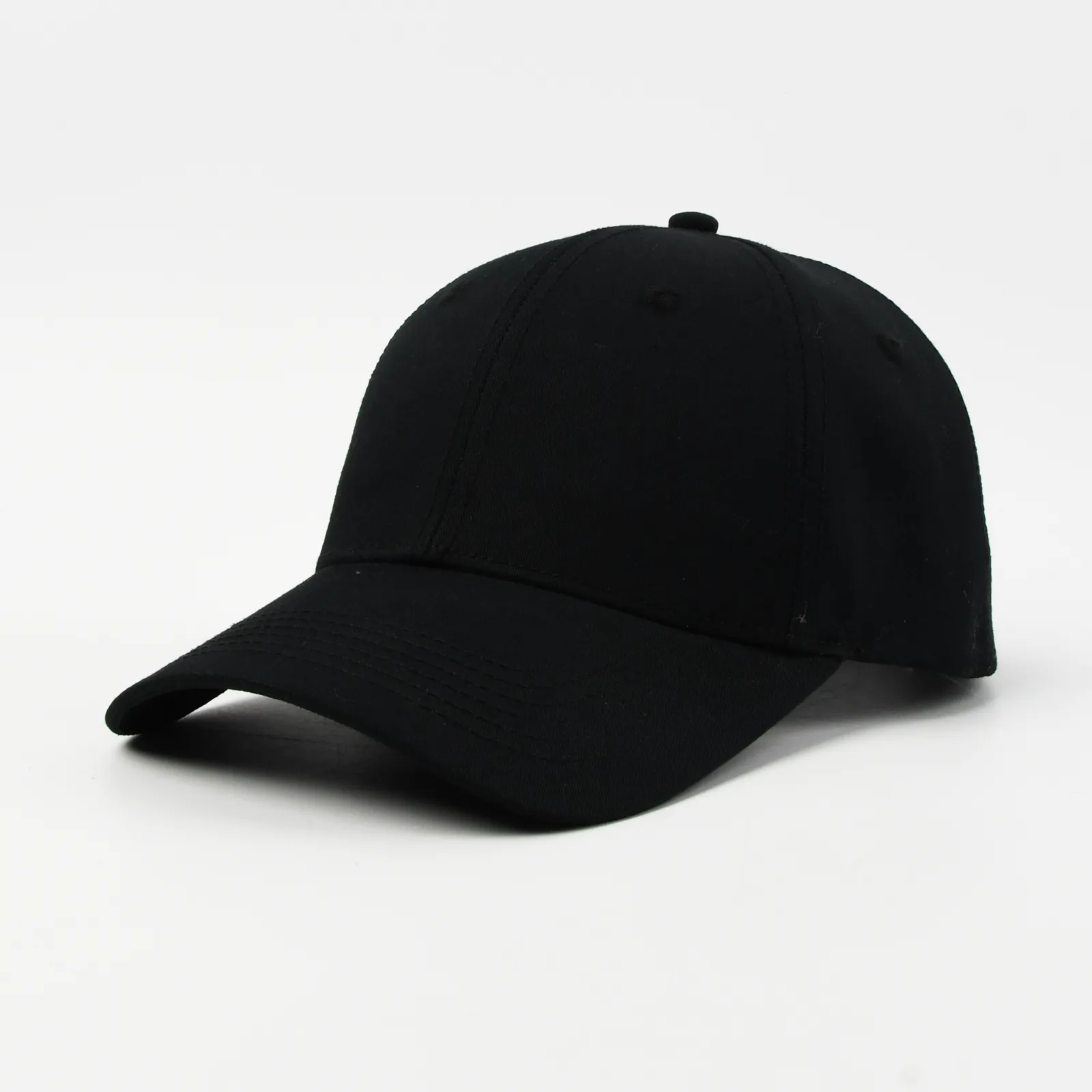
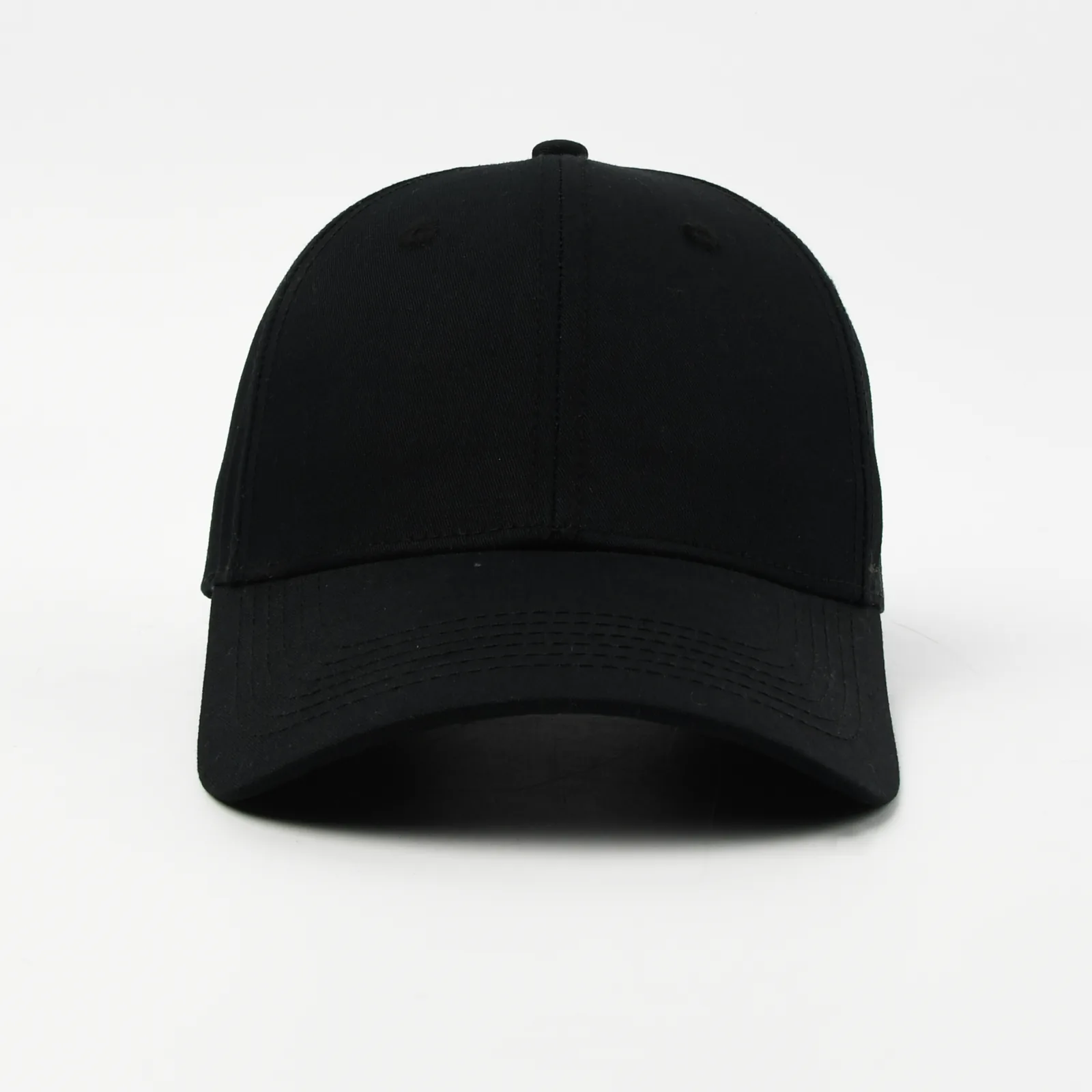
A five-panel, six-panel, soft-visor, or packable construction can all work, but each creates different decisions around seam placement, crown volume, brim recovery, and decoration space. The right body depends on use rather than a universal best shape.
Choose the fabric from the climate and use case
Lightweight woven fabrics can reduce bulk, while mesh zones can improve airflow. Stretch materials may improve comfort, but they also change embroidery tension and size recovery. Buyers should define weight, handfeel, stretch, colourfastness, wash care, and intended climate before approving a material.
| Requirement | What to check | Development decision |
|---|---|---|
| Heat release | Airflow through crown and side zones | Use breathable panels only where they support fit and durability. |
| Sweat management | Sweatband absorbency and drying feel | Test the sweatband against the actual shell fabric. |
| Packability | Recovery after folding | Check brim and crown memory before selecting the final structure. |
| Decoration | Stitch or print behaviour on light fabric | Approve a physical decorated sample, not a digital mockup alone. |
Fit and retention need their own test
A cap that feels comfortable in a static fitting can move during running. Test the rear adjustment, crown depth, brim length, sweatband pressure, and side stability with the intended wearer. Include different head sizes in the review so the size range does not work only on the sample model.
Do not use decoration to hide a fit problem. Lock the crown and closure first, then decide whether the front should carry embroidery, a light transfer, a woven label, or no decoration. Every added element changes weight, handfeel, and production risk.
Decoration and quality checkpoints
Performance fabrics often need a different decoration method from heavy cotton twill. Dense embroidery can stiffen a soft crown. Heat transfer can affect stretch or peel after washing. Reflective trims need placement and durability checks. The correct choice depends on the actual fabric, not on the artwork file alone.
Quality framework: Approve one physical reference for fabric, colour, fit, closure setting, brim curve, decoration placement, and wash result. Record the acceptable tolerance for each item.
- Check front decoration against crown seams and curvature.
- Measure crown height, brim length, and adjustment range.
- Test sweatband contact and drying after repeated wear.
- Inspect stitch density, loose threads, edge finish, and colour shift.
- Confirm the packed cap returns to the approved shape.
How to plan a first running-cap range
A focused first range can contain one hero cap, one simpler companion, and one colour or decoration variation. This gives the buyer a useful comparison without creating unnecessary inventory. The brief should state the sales season, target climate, quantity by colour, inspection standard, and required arrival date.
Start the process with the information needed before sampling. If the range sits beside custom streetwear headwear, use OEM and ODM headwear services to align the cap body, decoration, quantity, and production route.
FAQ
Is a running cap the same as a standard baseball cap?
No. A running cap needs separate decisions for moisture, airflow, weight, retention, packability, and wash performance.
Should mesh always be used?
No. Mesh can improve airflow, but placement must also protect structure, durability, privacy, and decoration quality.
What should be tested first?
Test the shell fabric, sweatband, crown fit, closure, brim recovery, and one representative decoration together.
How many styles belong in the first range?
One hero style, one supporting style, and a controlled variation are usually enough to validate the product direction.