


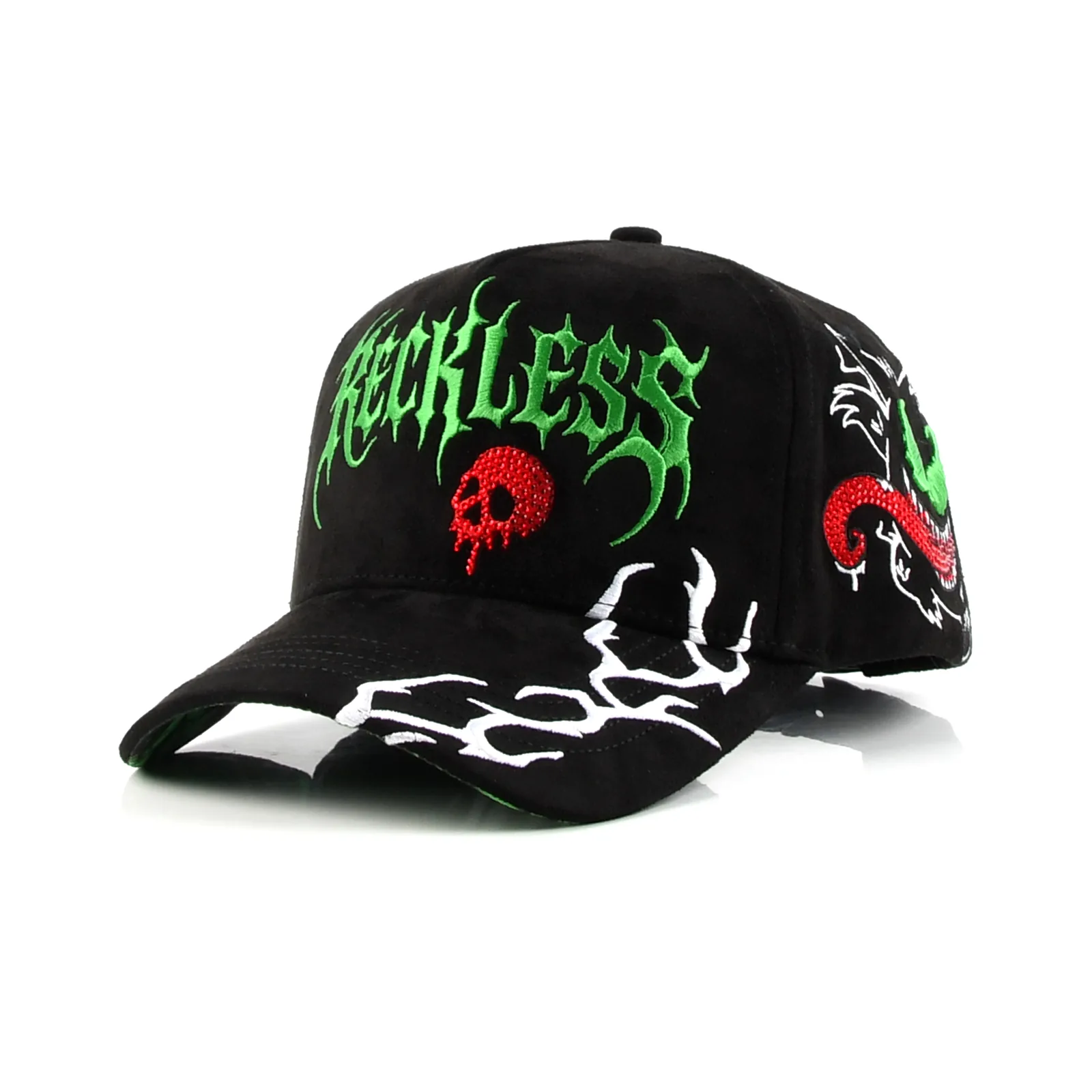
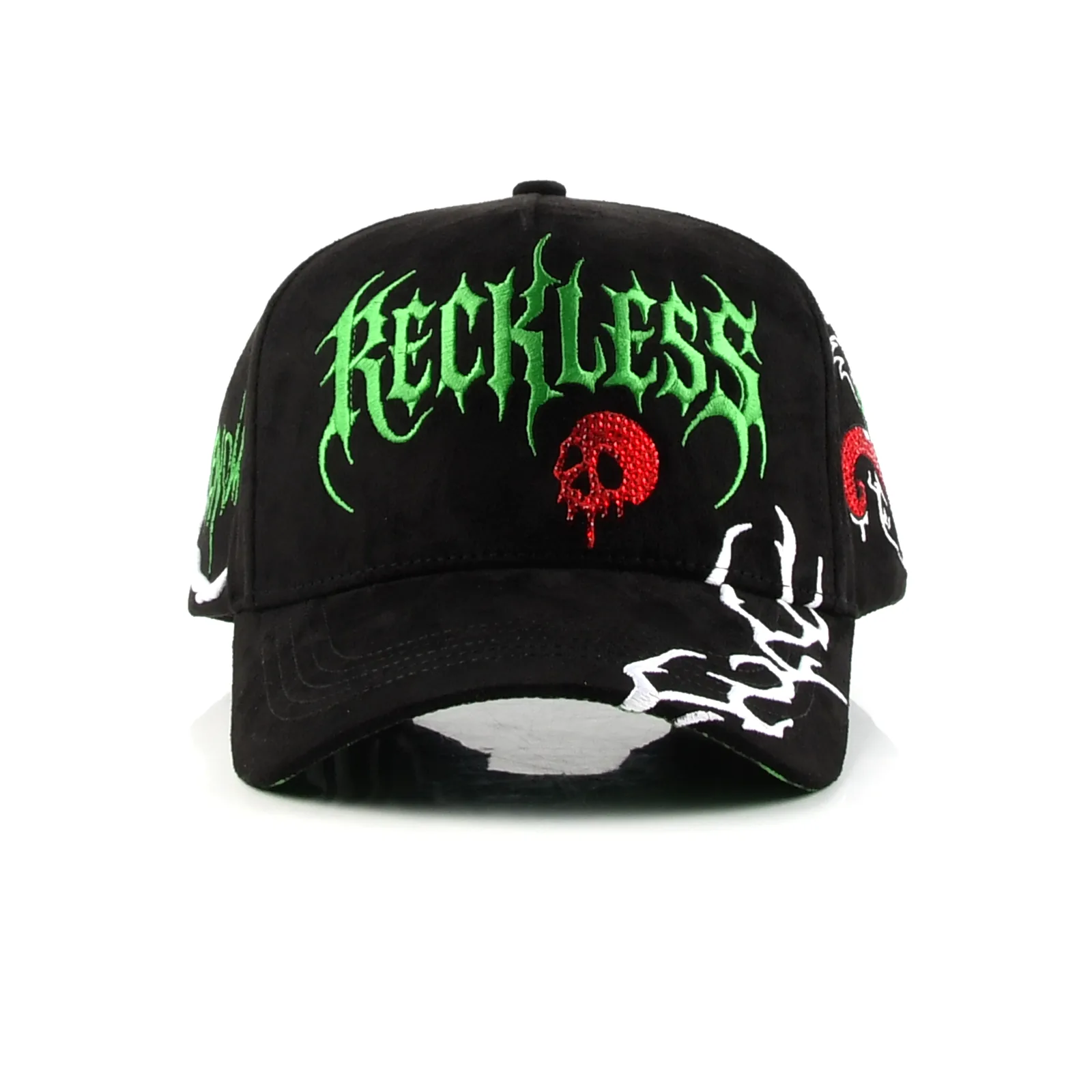
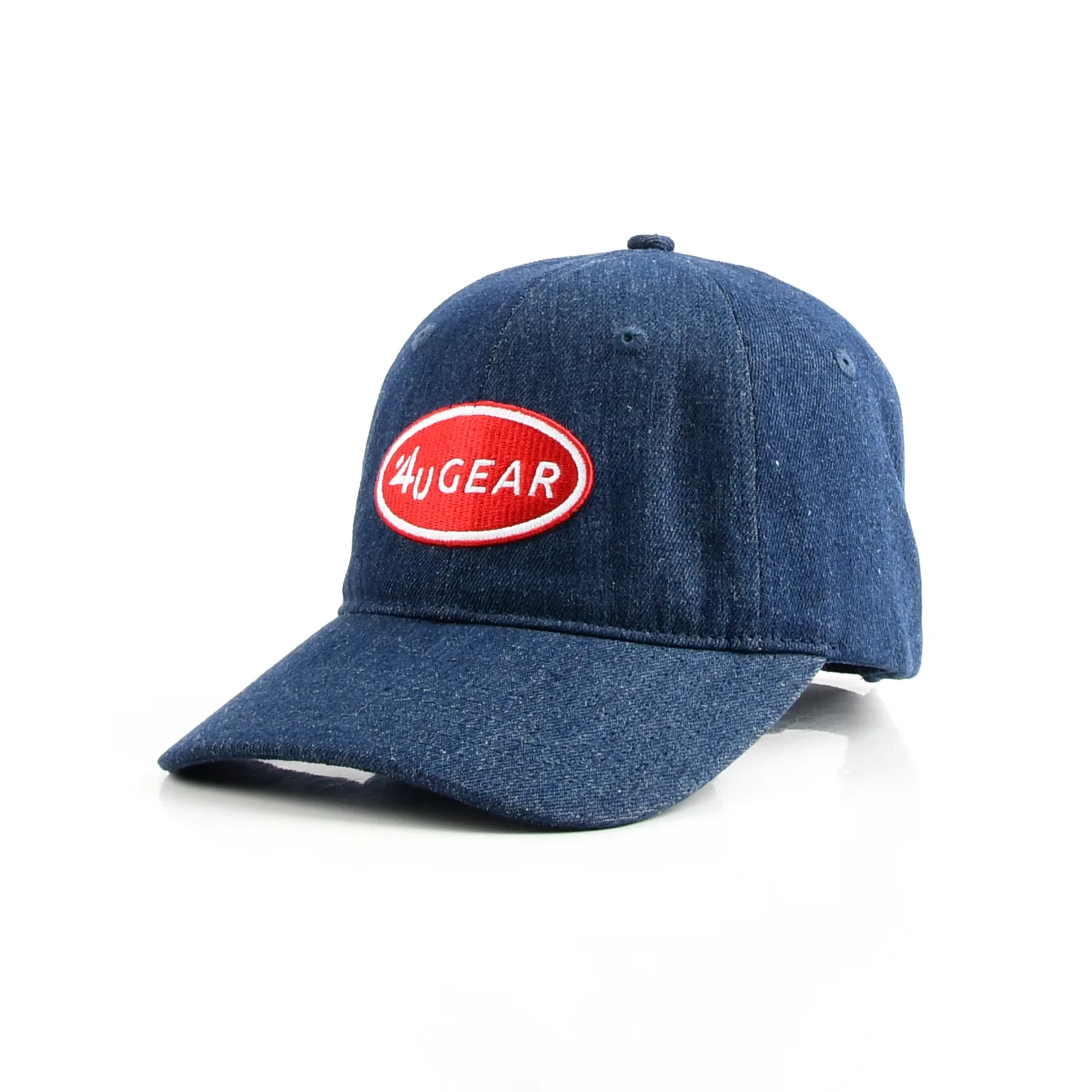
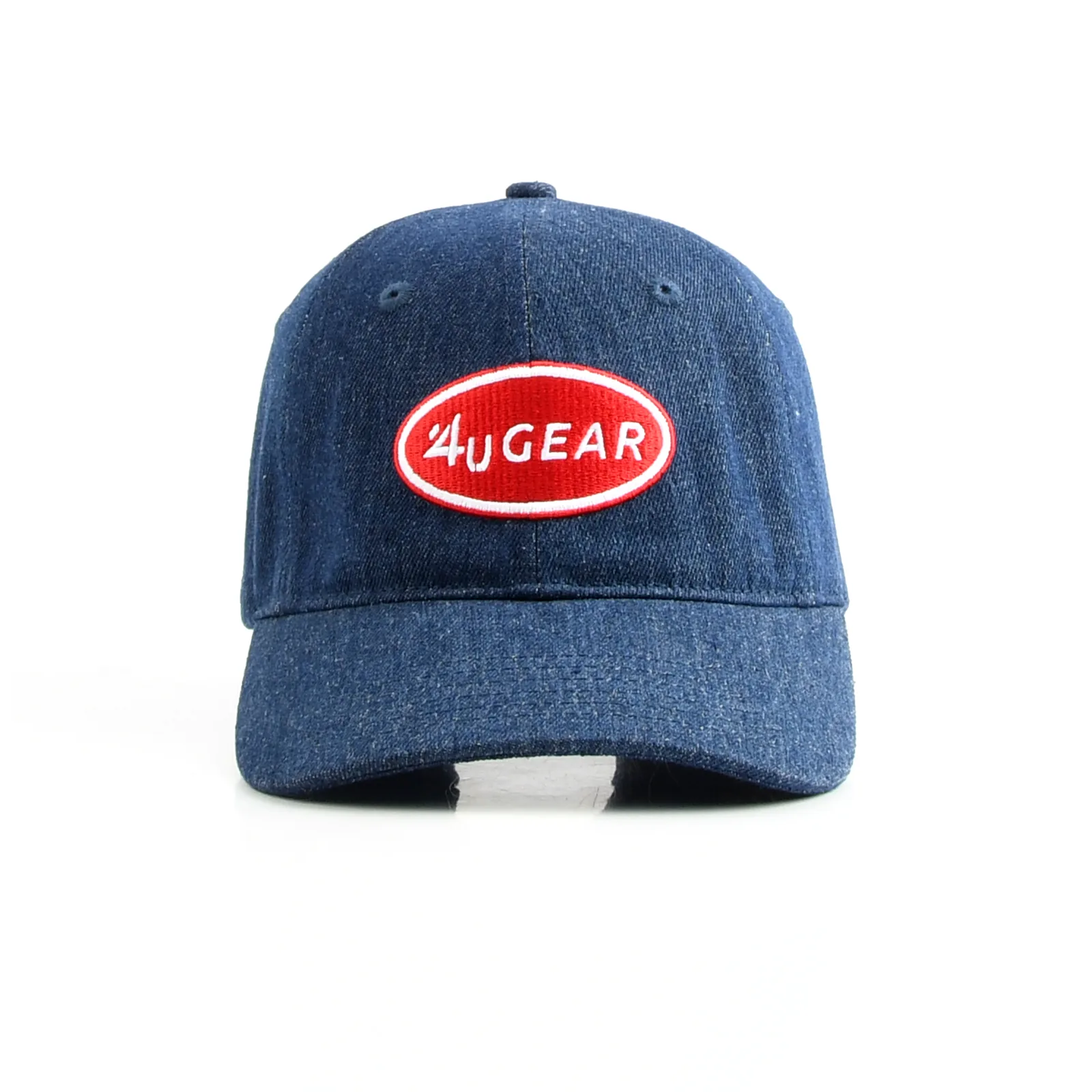
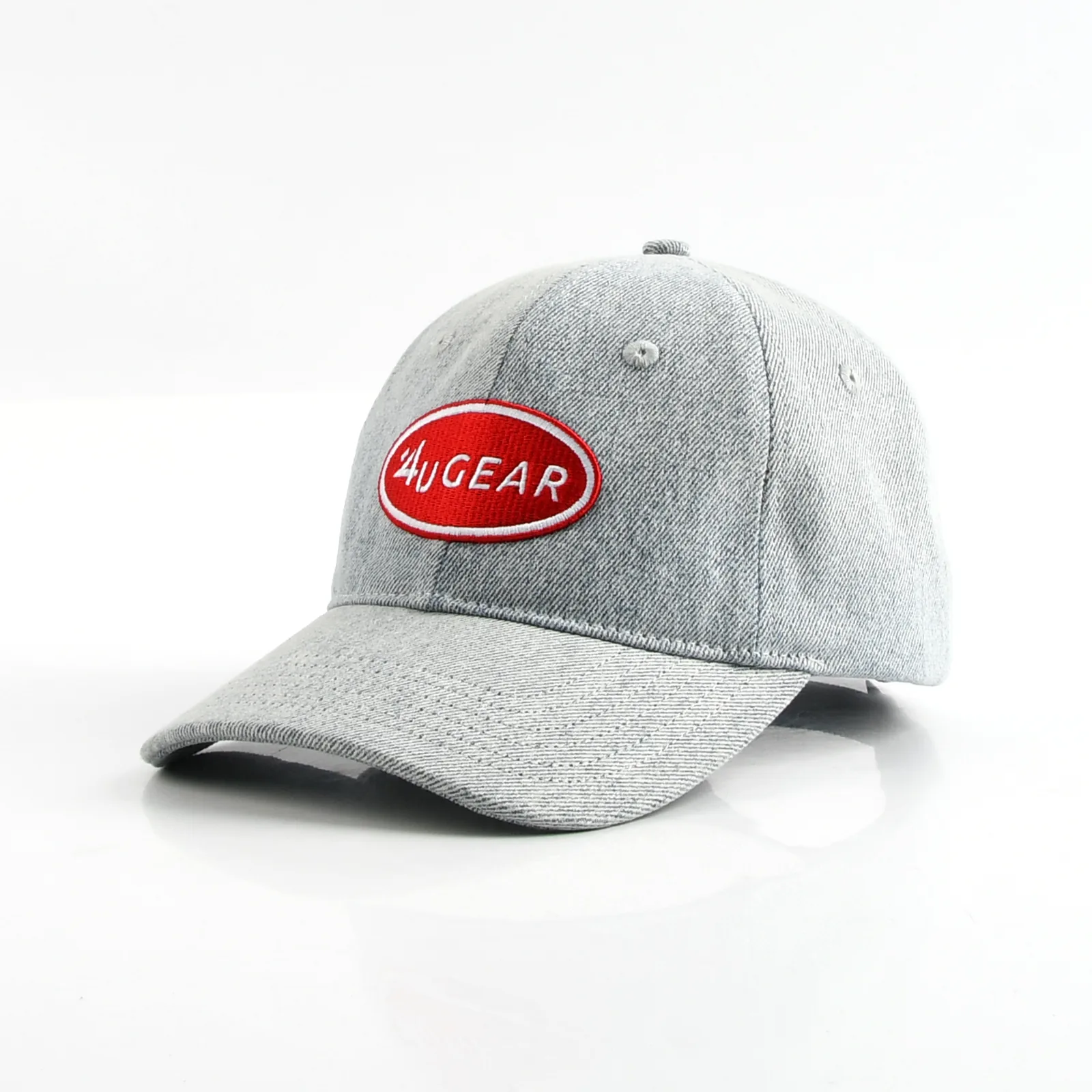
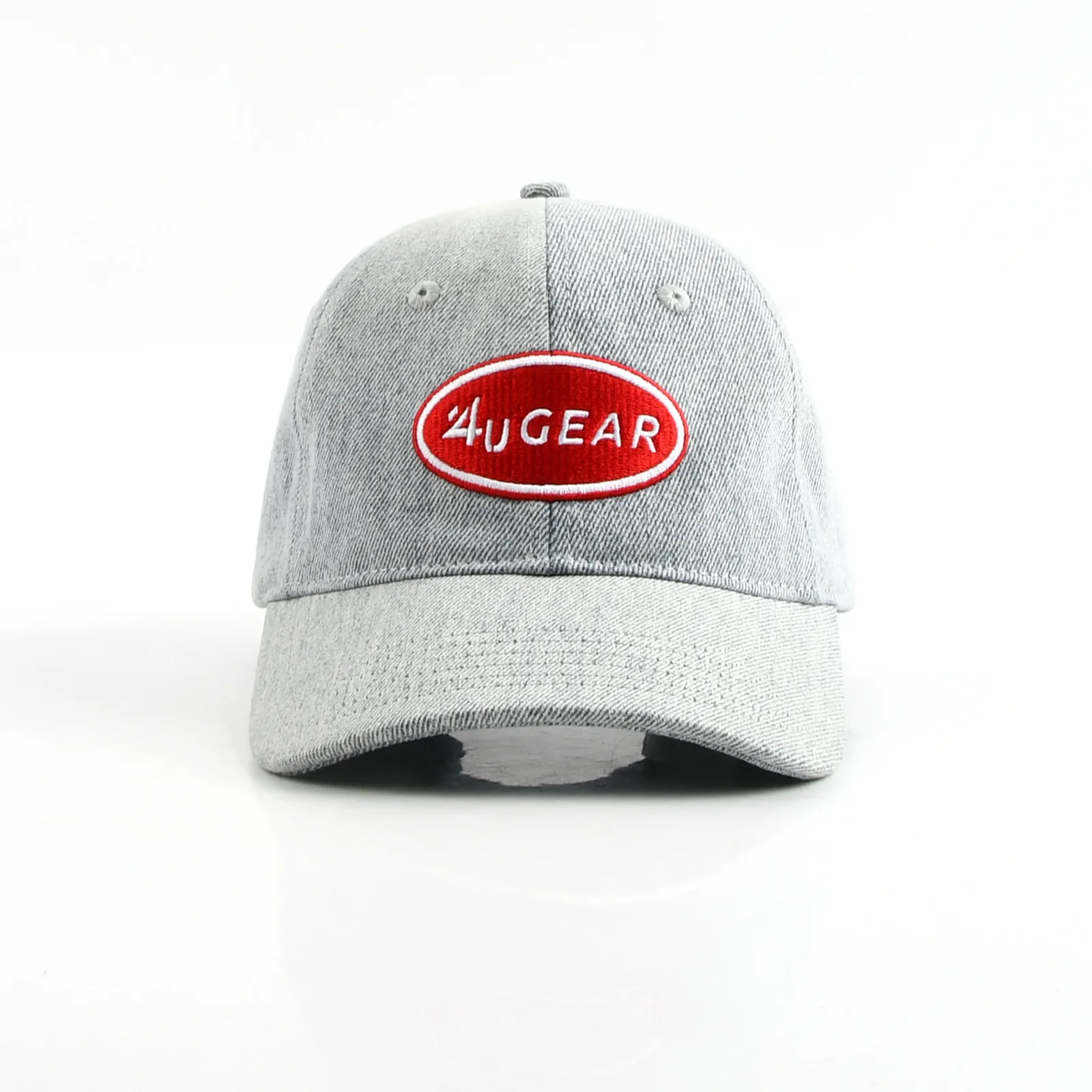
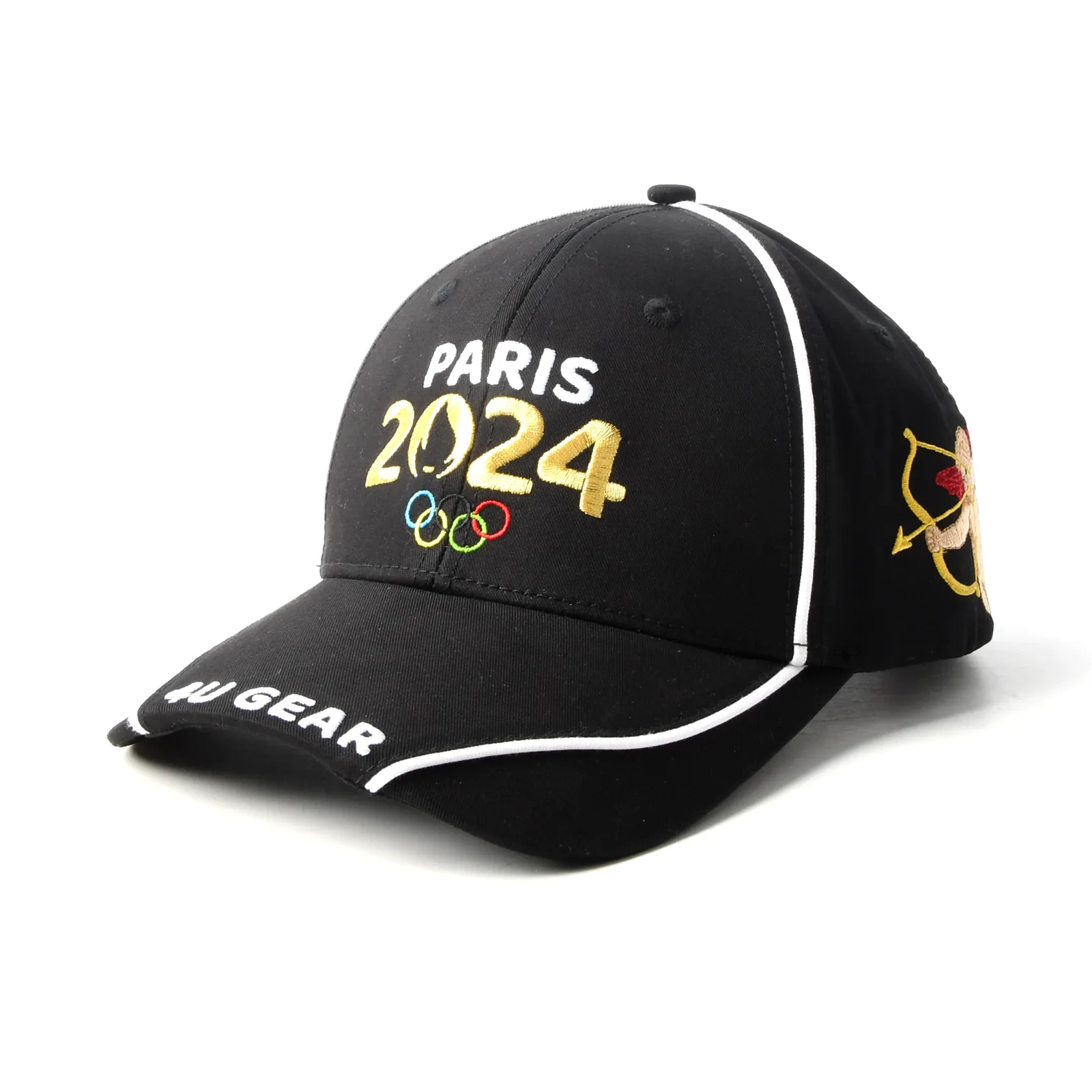
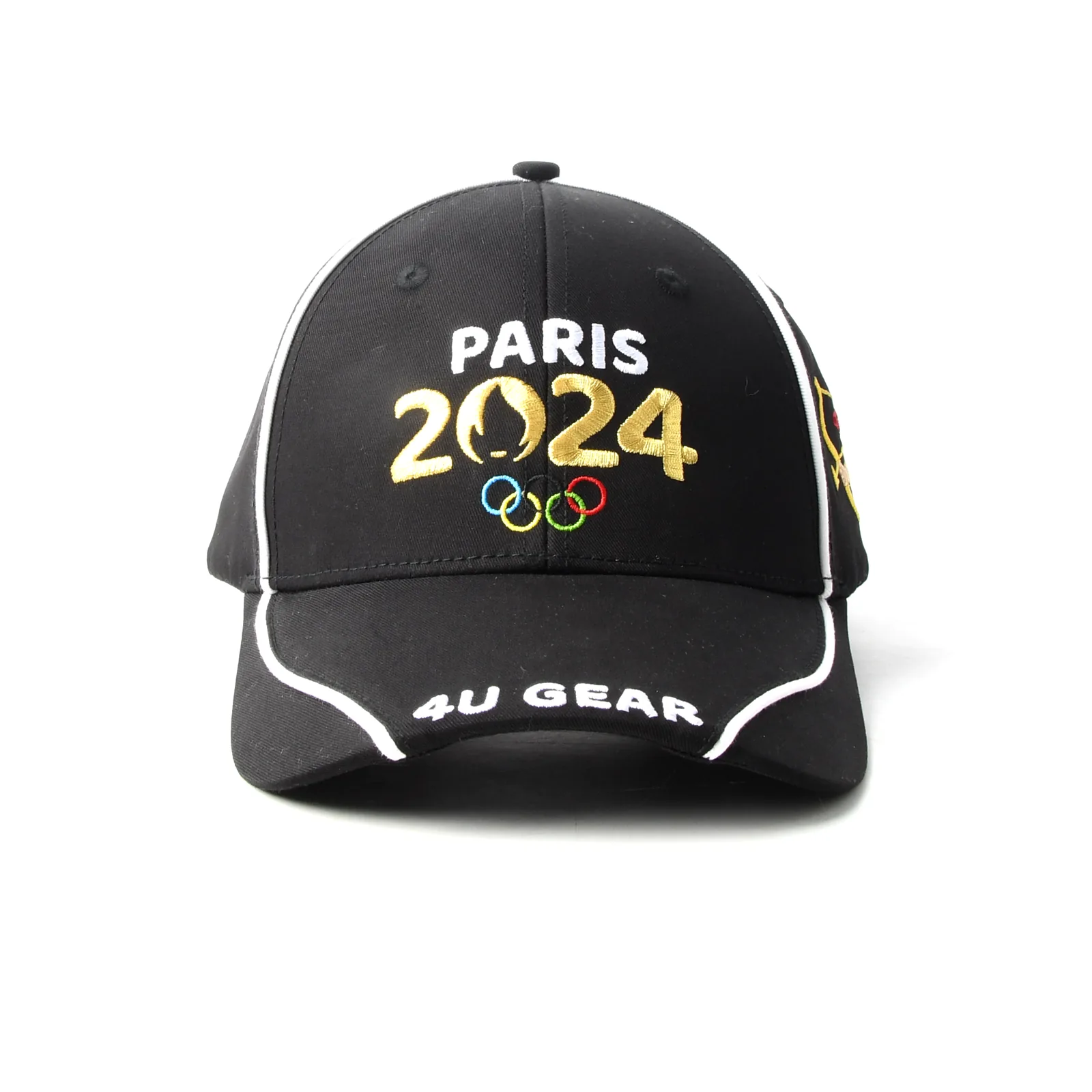
Metal Badge vs. Front Embroidery on Custom Caps: A Buyer Decision Matrix
Compare readability, worn weight, skin contact, attachment, care, approval samples, and bulk consistency before choosing a cap decoration route.
Neither a metal badge nor front embroidery wins every cap program. Metal is worth sampling when the brief needs crisp contours, surface contrast, or a structured accessory feel. Front embroidery may be easier to tune when the brief prioritizes light wear, a softer touch, or flexible revisions; any small type in the artwork must still be tested separately in same-size metal and embroidery samples. The decision belongs to the artwork, cap body, attachment, care method, and inspection standard together.
Bottom line: do not approve from a close-up render. Make same-size, same-cap comparison samples, then decide after wear, flex, care, and underside checks.
Put both crafts on the same decision frame
A metal badge is a separate hard component; its result depends on edge treatment, finish, tone, and thickness. Embroidery depends on stitch clarity, density, thread, backing, and the curved cap surface. The 4UGEAR metal badge craft page groups weight, fixing, edges, comfort, and production stability. Its premium cap embroidery page focuses on stitch clarity, density, fabric support, balance, and repeatability.
| Buyer check | Metal badge | Front embroidery | Sample test |
|---|---|---|---|
| Readability | Strong for clear contours and blocks; fine grooves and small type need proof | Flexible color and line treatment; tiny or dense details can blur | View at normal, close, and angled distances |
| Weight and skin contact | Check mass, thickness, edges, underside, and balance | Usually softer, but dense stitches or backing can stiffen the panel | Wear, press, bend, and inspect inside |
| Attachment and care | Hardware and back construction must suit the cap | Stitches, backing, fray control, and post-care flatness matter | Use the intended care method |
| Bulk consistency | Finish tone, position, fixing, and batch matching need a standard | Thread, density, distortion, position, and backing need a standard | Keep photos, measurements, and tolerances |
Buyer conclusion 1: compare failure modes first. Metal is not automatically a premium version of embroidery, and embroidery is not automatically low risk.
Readability is decided by the smallest detail
Metal often suits a clean outline, open negative space, and a mark that benefits from reflection, relief, or a controlled surface. The independent materials reference lists brass, zinc alloy, stainless steel, and aluminium among common badge materials, and identifies size, design complexity, material, process, and quantity as variables. That is useful context, not a project-specific guarantee. Small type, thin borders, and layered marks must be tested separately in same-size samples for both metal and embroidery.
- Mark the smallest type, thinnest line, sharpest corner, and tightest negative space.
- Check the mark front-on, at about 45 degrees, and at normal wearing distance.
- Agree whether finish variation or thread-color tolerance is acceptable.
Buyer conclusion 2: if recognition depends on tiny type, ask for a real-size feasibility call before approval; if it depends on contour and surface hierarchy, a metal comparison sample earns its place.
Weight, edges, and skin contact belong on the cap
The front panel bends and takes pressure near the forehead. The 4UGEAR metal reference specifically brings weight, thickness, edges, fixing, position, and cap shape into one review, so a material name alone cannot establish safety or durability. Embroidery has no hard edge, but dense stitching and thick backing can still change panel stiffness.
Have wear testers note forehead contact, cap balance, pressure after bending, and any scratch or exposed hardware on the inside. Resolve concerns through construction, coverage, position, or craft changes rather than a universal safety promise.
Attachment, care, and repair need a written check
Metal attachment affects cap stress, appearance, and repair options. Ask the supplier to identify hardware, holes, back coverage, or another connection plan, then observe light pulling, pressing, and flexing on the sample. For embroidery, check backing, lock-off, fraying, loose threads, and post-wash flatness. The independent reference mentions pins, magnets, clips, and adhesive as possible attachment approaches, but does not establish one method as suitable for every cap or guarantee a universal service life.
Care approval should follow the target fabric and care label. Keep before-and-after photos after washing and drying, checking finish, fixing, flatness, thread tone, and cap shape. Do not turn one passing test into a blanket durability claim.
Approval samples make bulk consistency inspectable
An approval sample should be more than one attractive cap. Keep the badge or embroidery reference, cap size, placement datum, panel curve, color reference, underside construction, and care result. The 4UGEAR complex craftsmanship page notes that material, process thickness, wash treatment, packaging pressure, and wearing balance should be reviewed as one coordinated system.
- Lock artwork size, placement datum, and acceptable tolerance.
- Record metal finish, edge, and hardware, or thread, density, backing, and fray requirements.
- Define how the first bulk piece is compared with the approval sample and how exceptions are contained.
- Inspect again after packaging and transport for distortion, scratches, detachment, pressure marks, or soil.
Cross-craft decision matrix and sampling checklist
Use this order: lock the smallest graphic detail, confirm wear and panel balance, test attachment and care, then use the approval sample and first-piece standard to judge bulk control. If both routes pass, choose the one that fits the brand’s touch, product story, and project conditions—not the most flattering single photo.
- Artwork: size, smallest type, negative space, finish, and distance readability.
- Materials: metal and thickness, or thread, backing, and cap support.
- Safety: wear, press, underside, edge, and hardware checks.
- Care: documented results under the intended care method.
- Consistency: approval photos, color, size, position, tolerances, and first-piece QC.
- Quote and timing: confirm only from the project quotation and schedule; do not invent universal prices or lifespans.
Buyer conclusion 3: a craft that has not passed wear and care checks should not enter bulk because its sample photo looks premium.
Buyer conclusion 4: the strongest approval sample is measurable, inspectable, and repeatable—not simply marked “make as sample.”
Frequently asked questions
Is a metal badge always more durable than front embroidery?
No universal claim is safe. Material, finish, fixing, cap construction, wear, and care all change the result. Judge the project sample against an agreed inspection method.
Can a metal badge scratch the forehead?
It is a risk to test. Check edge, thickness, underside, and hardware coverage during real wear; change the construction, position, or craft if the touch is not acceptable.
Can we approve from artwork without making both samples?
That is not recommended. Curvature, weight, underside feel, and post-care behavior can be hidden in artwork. Make same-size comparison samples before locking the approval standard.
If a program combines embroidery, metal, or other decoration, send the artwork, quantity, cap shape, and target care method to 4UGEAR for a coordinated review instead of promising one craft too early.
Referenced external resources
- independent materials reference goldhotlabels.com