





Year-End Corporate and Team Hat Gifts: A Practical Backward Plan
Plan custom hat gifts from recipient groups and real in-hand dates, then conditionally release samples, artwork, packaging, approval, production, and freight.
For a year-end corporate or team hat program, the safest starting point is not a generic production promise. Start with the people who will receive the hats, the way each group will receive them, and the date when the goods must actually be in hand. Then work backward through product definition, sample approval, artwork, packaging, production, quality control, and transport. A September 30, 2026 article about corporate holiday gifts describes September and October as useful planning months, but that is a retailer recommendation rather than a market statistic or a universal custom-hat cutoff.
The practical rule is simple: every date in the plan must be attached to visible assumptions. If the quantity, decoration, address file, packaging version, or handoff method is still moving, the related date is a planning estimate—not a commitment.
1. Define recipient groups and the real hand-in date
Employees receiving hats at an office create a different route from clients receiving individual parcels. Event guests may need hats sorted by name before a specific gathering, while partners may need a branded gift set delivered to several addresses. Group recipients by quantity, personalization, address responsibility, handoff method, and delivery batch.
For each group, record the date that makes the gift useful: the office distribution day, the event date, or the date a parcel should reach the recipient. “Before the holidays” is too vague for production planning. Also identify which group is least flexible. The earliest event or highest-priority recipient group should become the risk line for the program.
Buyer conclusion 1: If groups have different dates, addresses, or packaging, decide whether they need separate batches before asking anyone to treat one overall delivery date as realistic. Freight, customs, and address-file readiness are separate checks from factory production.
2. Make the sample and artwork two different approval gates
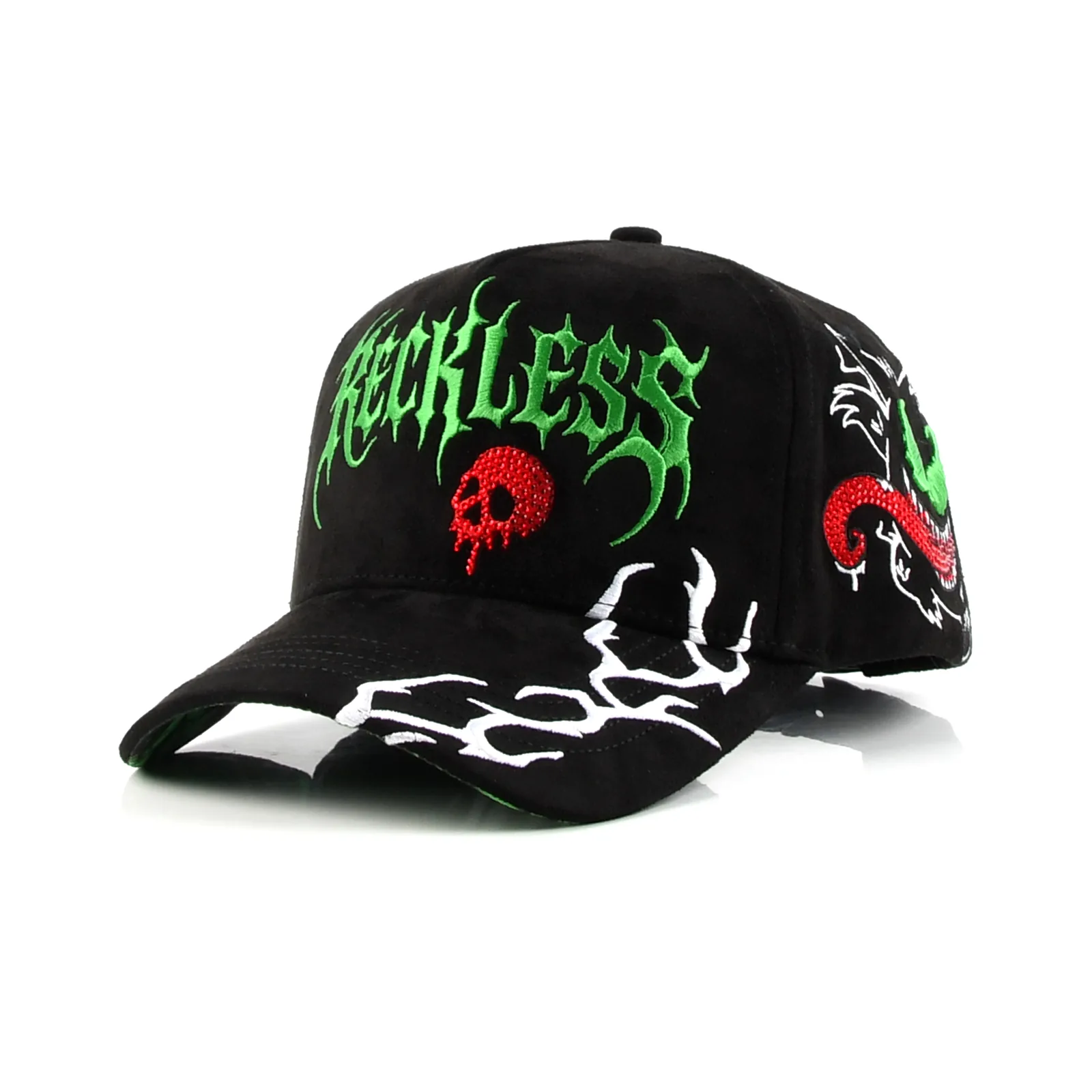
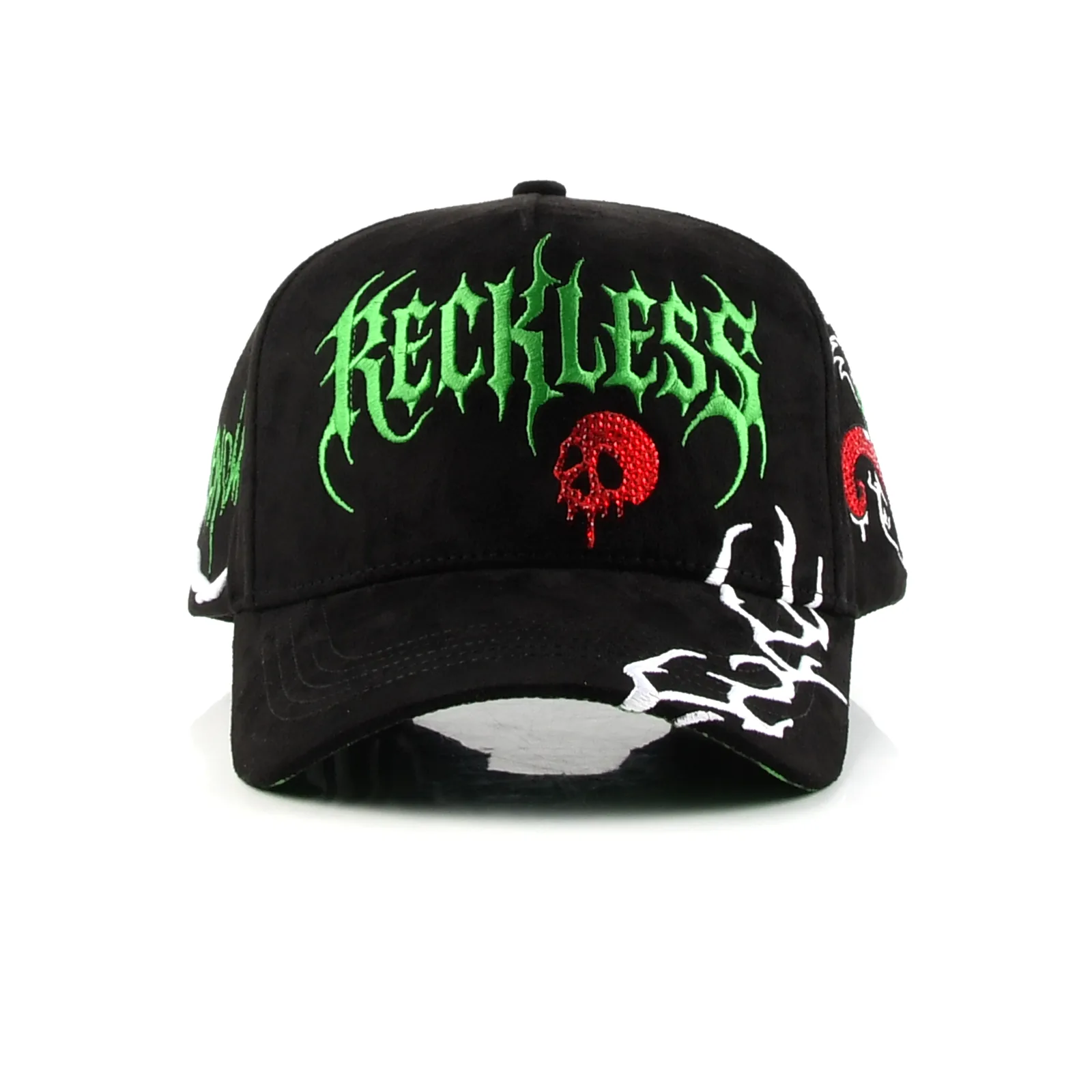
A physical sample should confirm the hat silhouette, fabric, closure, decoration placement, color, and wearing experience. The artwork brief should separately define logo files, names or initials, type treatment, color references, and the exact location of each brand element. A sample can be approved while the name list, print file, or personalization rule remains open.
Keep “product approved” and “gift kit approved” as separate statuses. Give every important file a version, approver, and approval date. This is especially important when a corporate program includes employee names, several logo lockups, or different decoration positions for different recipient groups.
Buyer conclusion 2: Do not release all downstream materials merely because the hat sample looks right. Product approval confirms the physical item; it does not automatically confirm labels, inserts, barcodes, or individual data.
3. Treat packaging as part of the delivery route
Packaging affects whether a hat is ready for an office handout, an event table, a retail-style gift box, or a cross-border parcel. The 4UGEAR packaging and branding requirements guide advises buyers to organize inside labels, hangtags, barcodes, warning text, carton marks, and packing method early. Those details can affect printing, packing flow, channel handling, and ship-out readiness.
The 4UGEAR custom packaging guidance for brand programs likewise treats labels, inserts, bags, cartons, and pack-out as part of one product-delivery route. For a gifting program, confirm who owns the recipient list, who approves the label copy, how many hats go in each carton, and whether every batch needs its own packing list.
Buyer conclusion 3: If packaging is still being discussed, record the status as “product assessable, gift kit not released.” A polished sample is not the same as a shipment-ready program.
4. Separate production, packing, and freight assumptions
Do not compress every activity into one attractive number. The 4UGEAR MOQ and lead-time guidance explains that quantity and timing can change with construction, decoration, materials, trims, packaging, factory allocation, and approval clarity. Sampling, revisions, material readiness, bulk production, packing, and ship-out should be considered as separate timing layers.
Build the schedule backward from the in-hand date, but leave a named owner for each dependency. The buyer may control the artwork and recipient file, while the supplier confirms material readiness, production allocation, inspection, and packing. The freight plan then needs its own route, customs responsibility, address format, and contingency discussion.
Buyer conclusion 4: An early estimate is useful only while its assumptions remain visible and unchanged. It should never be presented as a universal year-end promise.
5. Use a conditional release table
Use the following table in a project meeting. It is a release record, not a fixed lead-time chart.
| Gate | Lock first | Release condition | Hold signal |
|---|---|---|---|
| Recipients and channel | List, quantity, owner, hand-in date by batch | Addresses and handoff method confirmed | Event date or address file is changing |
| Sample and artwork | Silhouette, materials, decoration, brand version | Written approval with version control | Critical revision or unclear file remains |
| Packaging and labels | Inside label, hangtag, barcode, carton mark, pack-out | Channel rules and print files approved | Copy, code, or assortment is undecided |
| Production and freight | Materials, QC, packing, route, customs owner | Assumptions are acknowledged by the parties | Estimate is treated as a guarantee or route is missing |
6. Keep a fallback plan before the calendar becomes tight
A responsible fallback is not an invented emergency deadline. It is a decision made from the same recipient matrix. If a personalized list is late, consider a logo-only version for one batch. If a gift box threatens the event date, consider a simpler approved pack-out. If addresses are incomplete, consider office or event handoff for the group that can accept it. If one group has an earlier date, separate that group instead of allowing it to hide inside a later overall date.
- Confirm the earliest non-negotiable hand-in date.
- Mark every open input and assign one owner.
- Ask whether each open item can be simplified without changing the approved product.
- Recheck packaging, QC, freight, customs, and address data separately.
- Release only the batch whose conditions are actually met.
Frequently asked questions
Is starting in October automatically too late?
No. October is a useful planning trigger, not a universal verdict. Feasibility depends on the hat construction, quantity, decoration, materials, packaging, approval pace, production allocation, and delivery route.
Can all packaging begin as soon as the sample is approved?
Not necessarily. Barcode data, label copy, warning text, recipient names, channel rules, and pack-out instructions may still need confirmation. Product approval and gift-kit approval should remain separate.
Can a supplier give one universal year-end cutoff?
Not responsibly. Each program carries different assumptions. Ask which construction, decoration, materials, packaging, approval path, factory allocation, and freight route the estimate includes.
Next step: Send 4UGEAR the recipient groups, quantity range, hat and decoration direction, packaging needs, address responsibility, and actual in-hand date. That information supports a project-specific review without turning a preliminary estimate into a promise.
Referenced external resources
- September 30, 2026 article about corporate holiday gifts thecreativenookmke.com