

How to Turn an Approved Cap Sample into a Bulk Production Standard
A buyer guide to turning cap sample approval into a controlled bulk-production standard with material, measurement, decoration, change-control, and release checkpoints.
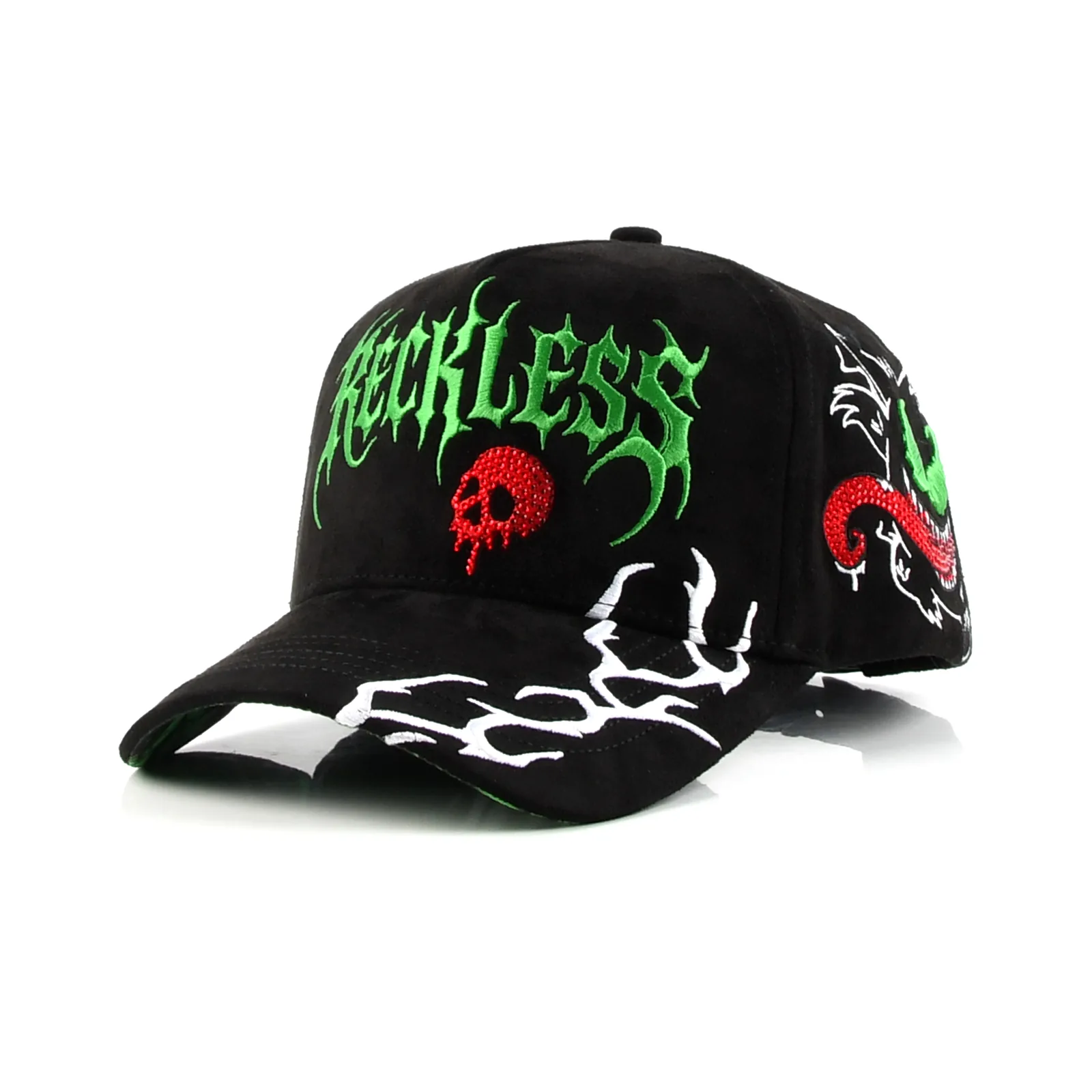
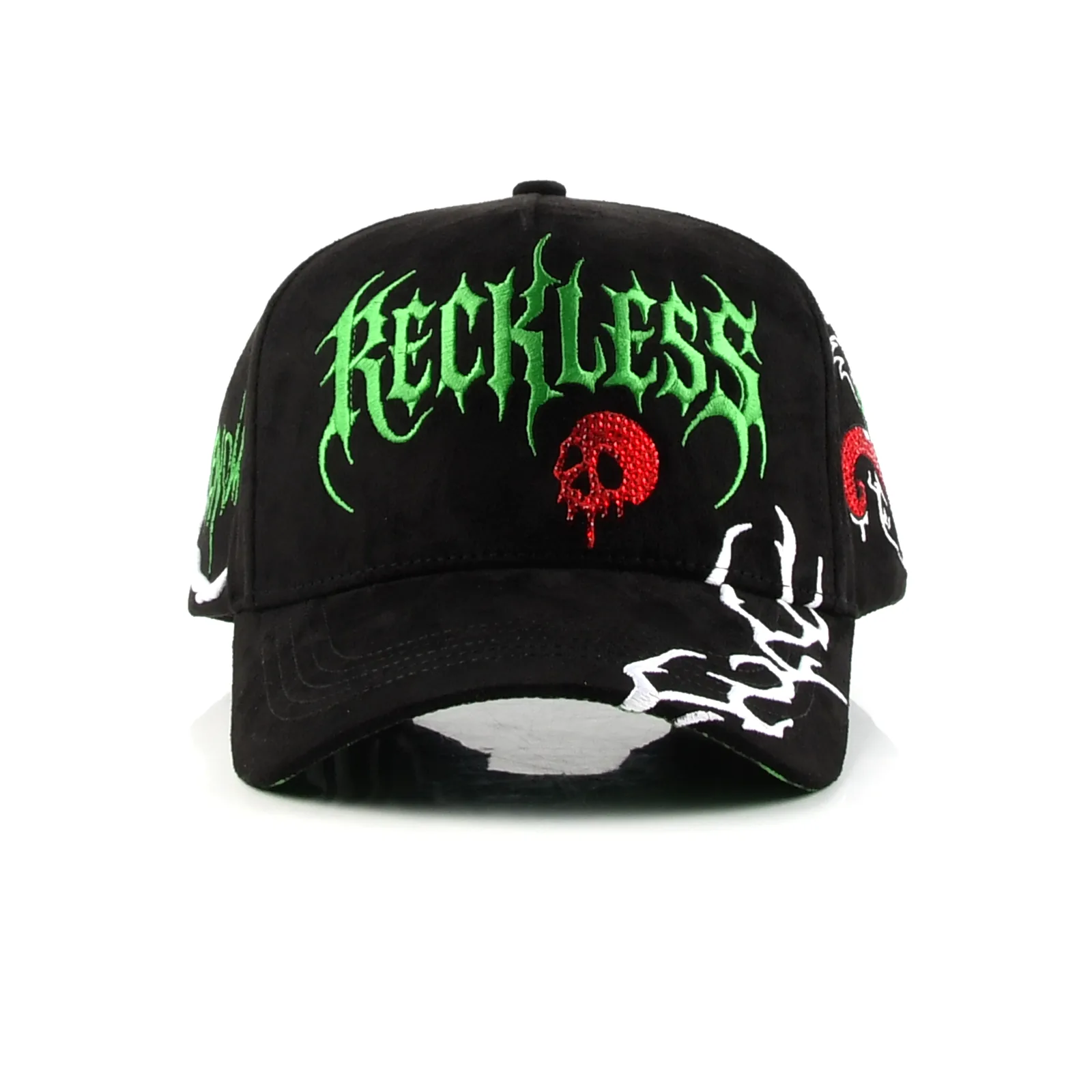
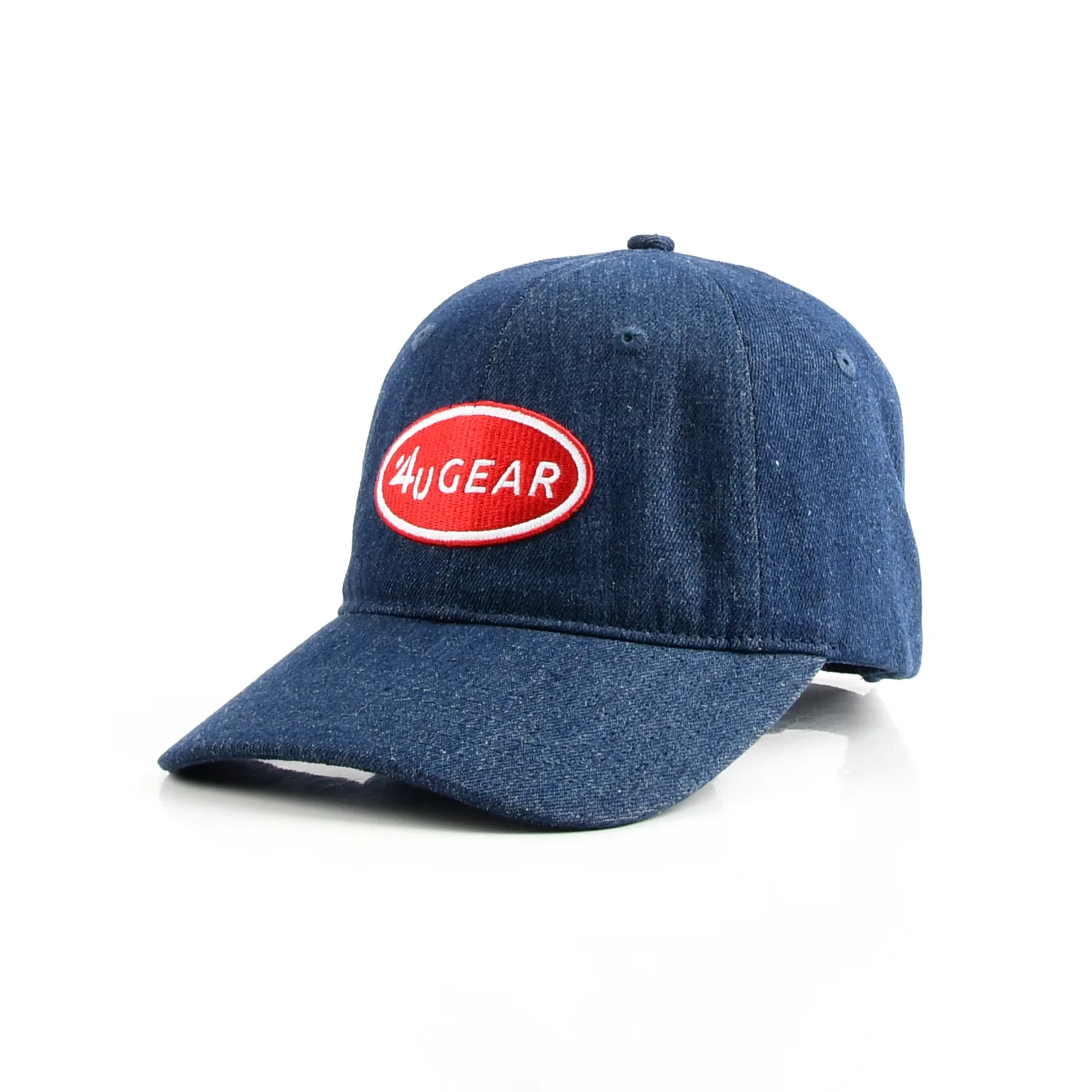
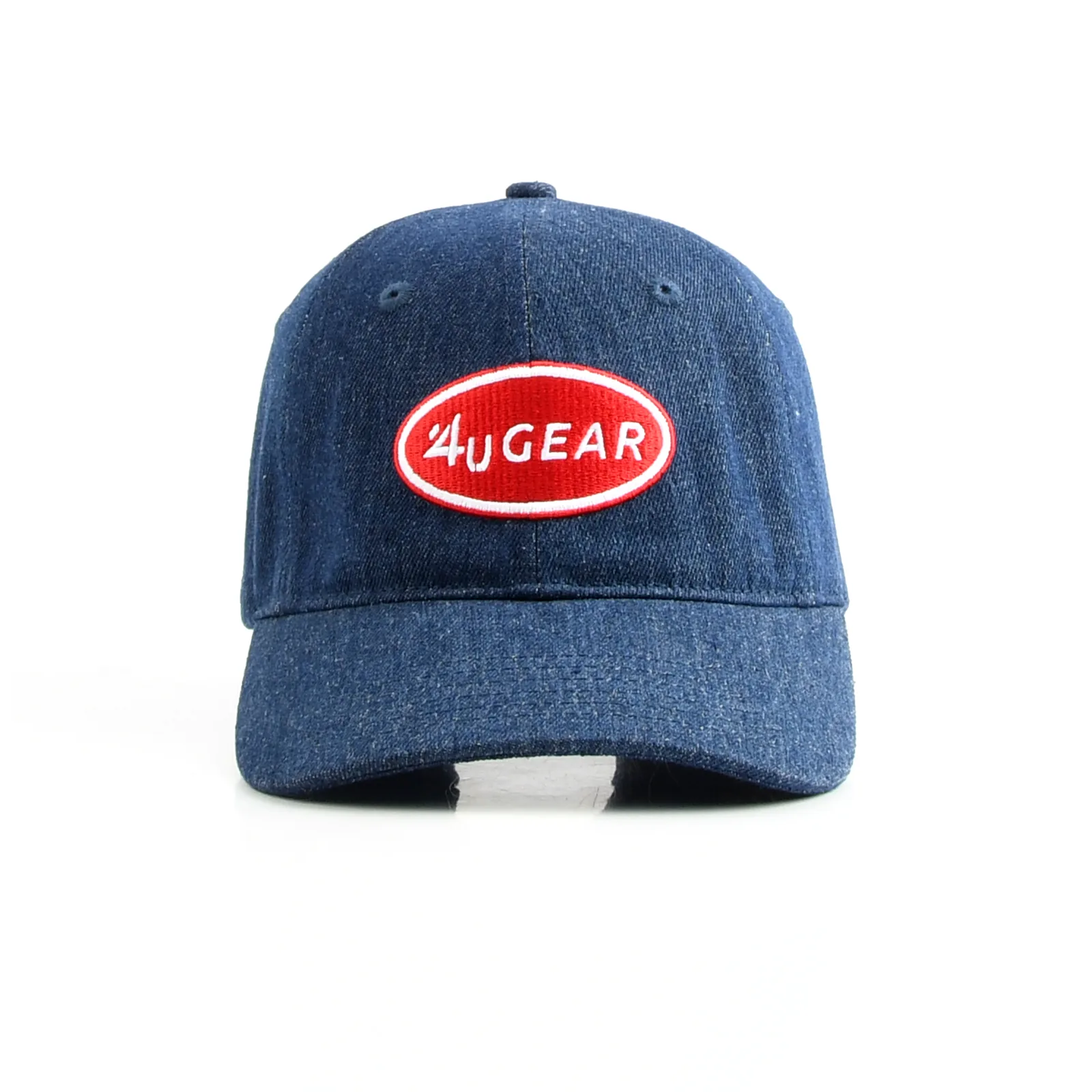
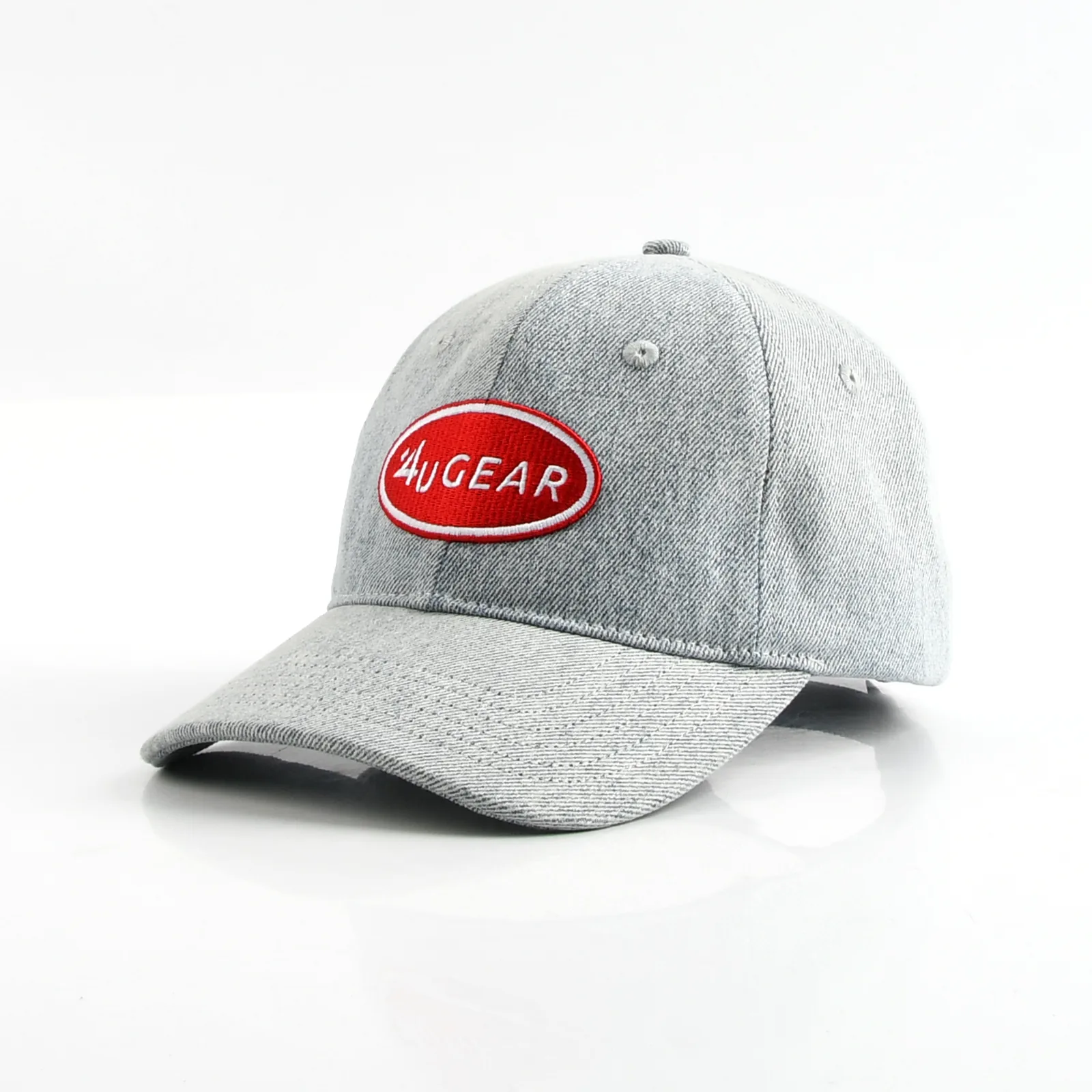
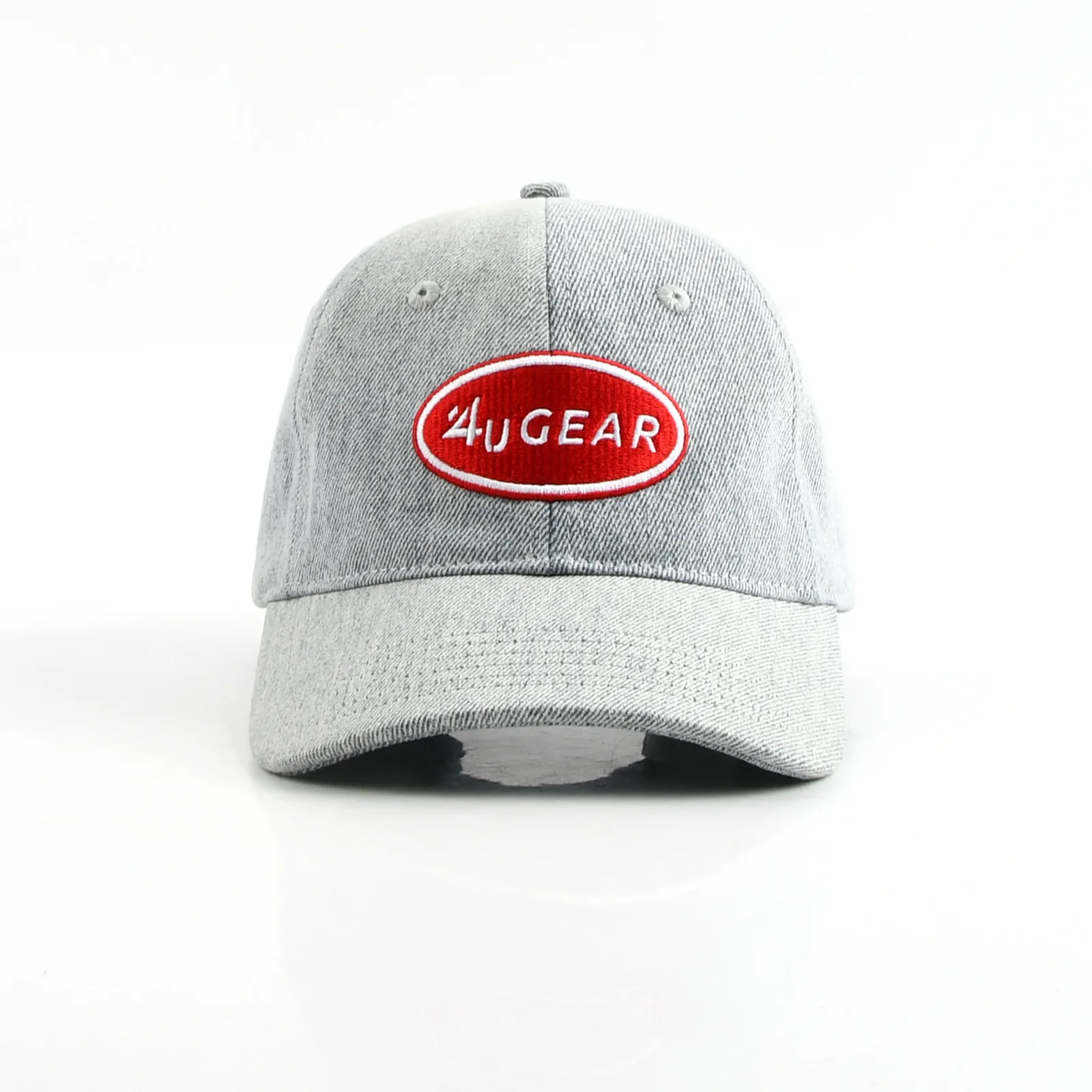
A cap sample is not a visual suggestion. It is the decision record that tells a factory what may enter bulk production. Buyers get fewer surprises when they approve a sample against a written production standard rather than approving it because the overall look feels close enough.
Buyer decision: Do not release bulk production until the approved sample, measurement record, material details, decoration standard, packing rule, and acceptable variation are tied together in one version-controlled approval file.
Why sample approval often fails in bulk production
Many disagreements begin with an approval that is too broad. A buyer may approve a photo, while the factory understands that the whole physical sample has been approved. Neither side has stated which details are fixed, which can vary, and which must be checked again before shipment.
A useful approval turns subjective comments into observable checkpoints. It identifies the cap body, fabric, color reference, logo placement, thread treatment, label copy, closure, carton rule, and the person allowed to approve changes.
Define the production standard before asking for a final sample
A production standard is the small set of records used to compare every future unit with the approved reference. It does not need to be a complicated manual, but it must be specific enough that a factory, inspector, and buyer can reach the same conclusion.
| Approval record | What it controls | Why it matters |
|---|---|---|
| Physical approved sample | Overall look, handfeel, construction | Provides the shared visual reference. |
| Specification sheet | Measurements, materials, components | Prevents hidden substitutions or size drift. |
| Decoration placement guide | Logo size, position, thread or patch treatment | Makes repeat placement checkable. |
| Packaging instruction | Folding, inserts, labels, cartons | Protects presentation through delivery. |
| Change log | Approved revisions and date | Stops an old version returning to production. |
Buyer takeaway: A sample becomes reliable only when its controlling details are recorded outside the sample itself.
Lock materials, color and components as named choices
Words such as black cotton, metal buckle, or raised embroidery leave too much room for interpretation. Record the fabric composition or supplier code, color reference, bill material, closure finish, eyelet treatment, sweatband, label location, and any required test or labeling information.
For headwear, buyers should also decide which differences are acceptable. A natural fabric texture may vary, while a wrong logo thread color or closure finish may not. That distinction lets the factory focus its internal check on the details that affect brand perception.
Turn visual approval into measurable checkpoints
A good inspection conversation is not only about whether a cap looks right at arm's length. It should test panel balance, crown height, bill curve, seam cleanliness, embroidery density, loose thread removal, label readability, closure function, and packing condition.
Choose a measurement method and tolerance discussion before production begins. The exact tolerance depends on the product, material, and intended fit; the key is that both parties use the same measuring points and the same reference sample.
Practical rule: If a feature cannot be described, photographed, measured, or compared with the approved reference, it is difficult to control consistently in bulk.
Use a simple change-control route
Changes happen for legitimate reasons: a component becomes unavailable, a color needs correction, or a construction detail must be adjusted. The risk is not the change itself. The risk is making it without a clear record of who approved it and whether a revised sample is required.
Ask the supplier to flag any change before it is used in bulk. The buyer should then decide whether the change is cosmetic, whether it affects fit or durability, and whether new photos, a revised pre-production sample, or a new sign-off is needed.
Inspect the first production output before the full run moves forward
The first completed units are the bridge between sampling and mass production. Review them against the approved file, not against memory. This is the right moment to catch drift in fabric tone, logo position, trim finish, or packaging before the same issue repeats across the order.
For larger programs, align the inspection plan with an agreed sampling method and clear defect definitions. ISO 2859-1 is a recognized framework for acceptance sampling by attributes; buyers should still agree their own product-specific checkpoints and release authority with the supplier.
Buyer release checklist
- One physical or clearly documented approved reference is identified.
- Measurements and material choices are attached to the approved version.
- Decoration size, position, color, and finish are recorded.
- Packaging, labels, and carton marks are reviewed.
- Allowed variation and critical defects are stated in plain language.
- Any revision has an owner, date, and approval record.
- First production output is compared with the approval file before bulk release.
How to work with a headwear supplier after approval
Bring the approval file into the production handoff, not just the final email. A capable supplier can use it to brief the line, prepare in-process checks, and report exceptions early. Buyers developing a custom program can start with what is needed before sampling, then align the product route with OEM and ODM headwear services.
Recap: The goal is not to eliminate every natural production variation. The goal is to define the variations that matter, approve the reference that controls them, and stop unapproved changes before they become bulk problems.
FAQ
Is a photo approval enough for bulk production?
Usually no. Photos help document appearance, but they do not reliably show material handfeel, construction, fit, or functional details. Use them alongside a clear reference and specification record.
When should a buyer request a new sample?
Request a new sample when a change affects material, fit, logo treatment, key component, or the product story the buyer approved. Small administrative corrections can often be documented in a change log.
Who should approve production changes?
Name one buyer-side decision owner and one supplier-side contact. The approval record should show what changed, why, and when it was accepted.
What is the most common approval mistake?
Approving a general look without identifying the exact version, measurable checkpoints, and the process for handling changes.