What Buyers Should Learn from the Rockies' July New Era Cap of the Month

Quick Summary

A full buyer guide to turning a monthly cap release into a repeatable plan for product design, decoration, retail channels, sampling, and production control.

The Colorado Rockies July New Era Cap of the Month is more useful to buyers as a program case than as a one-off retail product. Its Meta Mauve fabric, tonal CR logo, brim embroidery, Colorado Lupine crown motif, and multi-location Denver retail plan show how a familiar fitted silhouette can carry a monthly story without rebuilding the product from zero.

Buyer decision: A monthly cap program works when the base silhouette, approval rules, and supply route remain stable while one clearly defined story layer changes.

What happened in the July drop

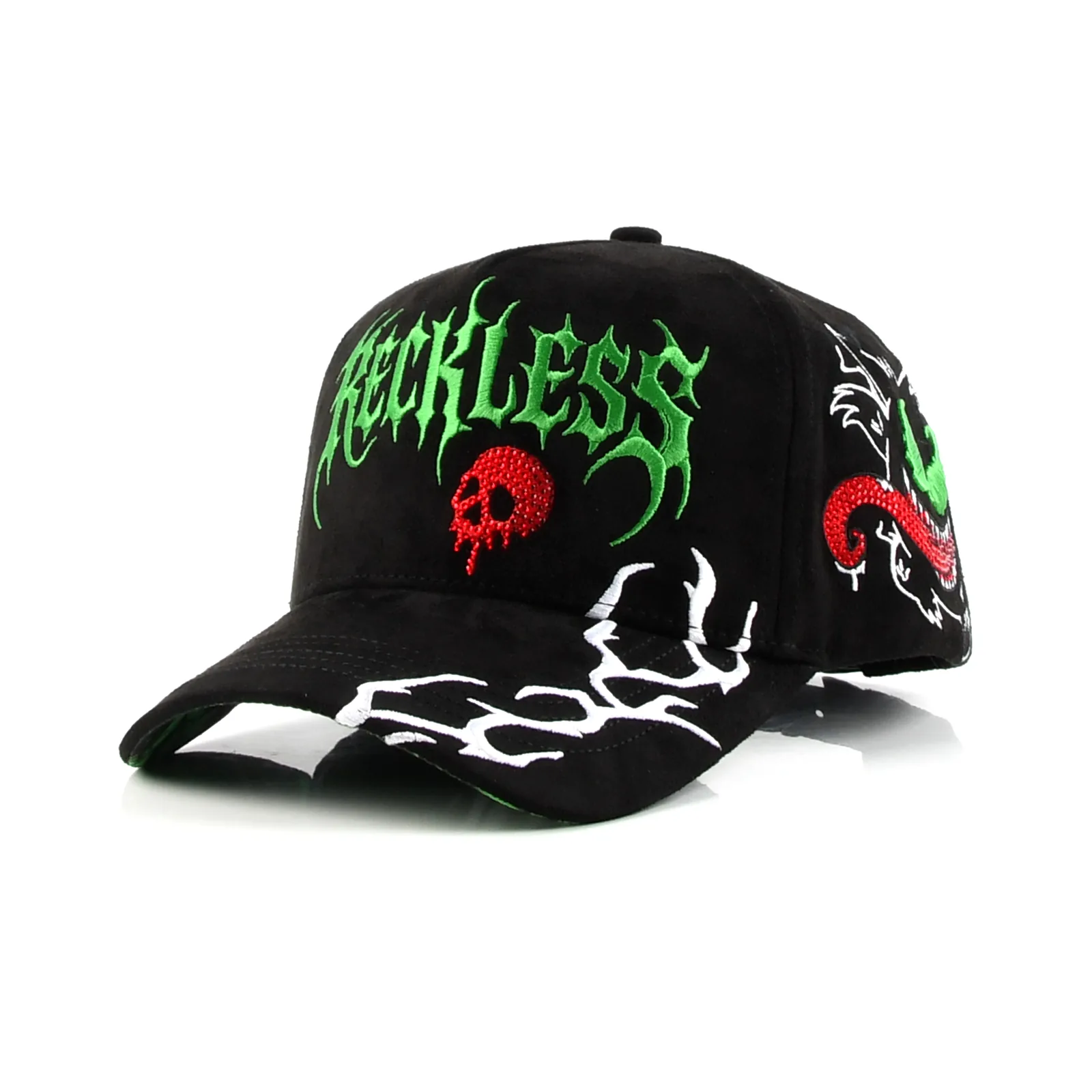
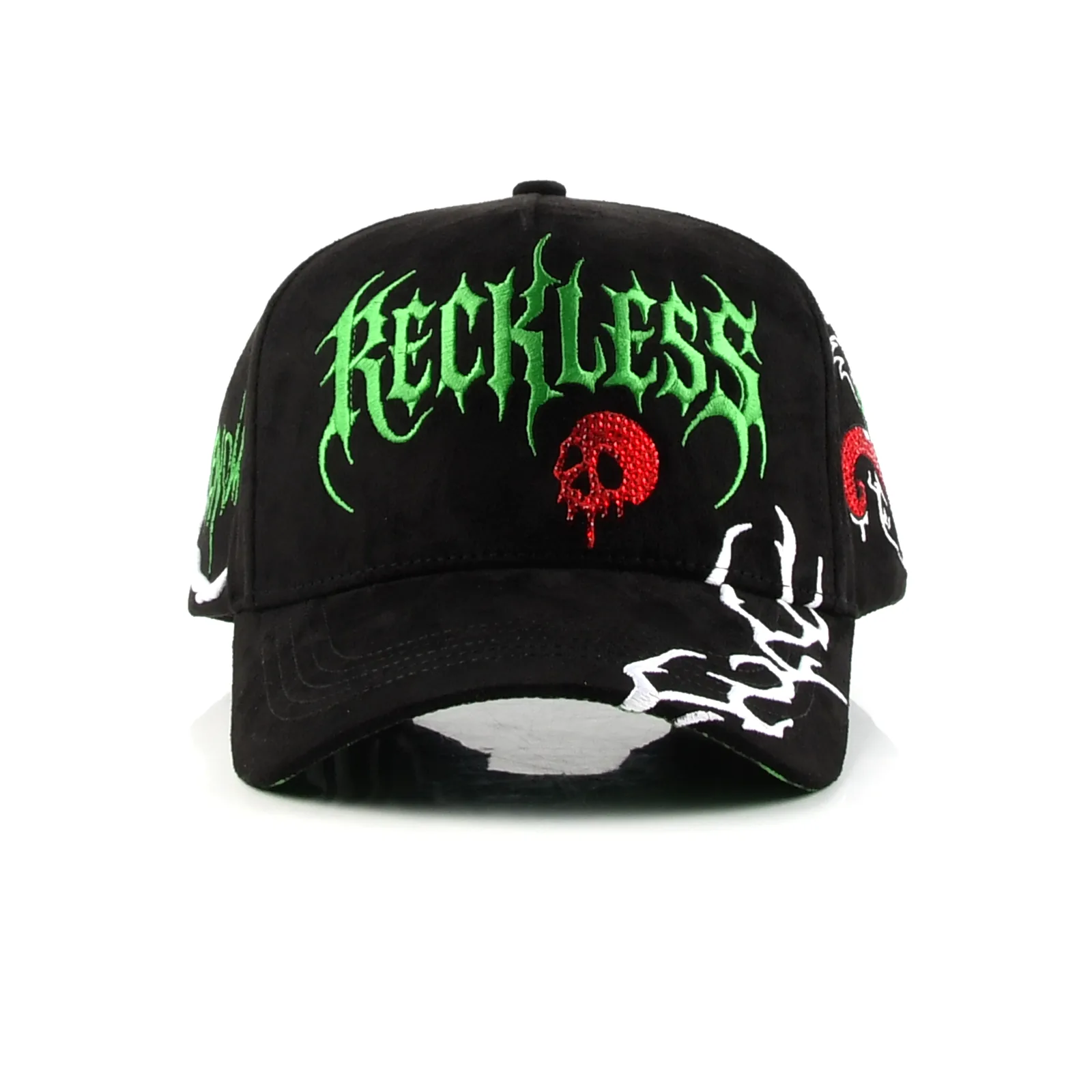
The Rockies describe the July item as a Meta Mauve New Era 59FIFTY Fitted Cap with custom purple fabric, a tonal CR logo, brim embroidery, tonal Colorado Lupine flowers, and rear Batterman branding. The club also listed several local retail points. Those details make the launch a useful example of product and channel planning occurring together.

Why monthly cap programs create a different buyer problem

A monthly program does not need a new cap architecture every time. It needs a repeatable product platform and a disciplined decision about what may change. If crown, fit, construction standard, and packing method change alongside color and artwork, the program becomes harder to sample, cost, and deliver consistently.

Stable platformMonthly story layerControl point
Cap body and fitColor familyApproved material reference
Core constructionLocal or seasonal motifDecoration placement guide
Brand architectureTonal or contrast treatmentThread and edge approval
Pack specificationRetail activationChannel and replenishment plan

Read the color choice as a production decision

Meta Mauve gives the July piece a surface identity before the logo is read. The buyer lesson is not to chase a color name. It is to define how color is approved across fabric, embroidery thread, labels, packaging, photography, and replacement material. A tonal program only feels premium when the components remain intentionally aligned.

Use local motifs without overloading the cap

The Lupine motif gives the cap a regional anchor. It works because it is one story layer, not a pile of unrelated decorations. Decide whether a seasonal symbol belongs on the crown, side panel, brim, inside label, or hangtag, then give the supplier one clear placement hierarchy.

Buyer takeaway: A local reference becomes commercially useful when it has one visual job and a specific production method.

Plan decoration as repeatable workmanship

Tonal marks, brim embroidery, and rear marks require more than artwork approval. The production file should define location, scale, thread treatment, backing, edge cleanliness, and the approved visual reference. Compare first production units with that file before the full run continues.

Make retail distribution part of the brief

The Rockies did not treat distribution as an afterthought. Brands can decide whether a drop is for stores, online, events, wholesale partners, or a mix. That choice determines pack ratios, hangtag needs, replenishment timing, and how much SKU variation is practical.

A monthly program checklist for buyers

  • Keep the base silhouette and fit specification stable.
  • Choose one changing story layer for each release.
  • Approve color and decoration as a connected system.
  • Record materials, placement, packaging, and revision ownership.
  • Check first production output against the approved reference.
  • Link quantity and pack plan to the release channel.

How to prepare the next drop

Start with what is needed before sampling so the cap body, artwork, material route, and target channel are visible early. For production planning, use OEM and ODM headwear services to align sampling and manufacturing. The value of a repeat program is the ability to repeat with control.

Recap: The Rockies July cap shows that a monthly headwear story is strongest when color, local meaning, decoration discipline, and retail route are planned as one repeatable system.

FAQ

Does every monthly cap need a new silhouette?

No. A stable silhouette often improves speed and consistency. Change the story layer while protecting the approved platform.

What should be fixed before a tonal cap enters production?

Fix fabric reference, thread colors, logo placement, decoration finish, and the product packing and sales route.

Can a local motif work for a non-local audience?

Yes, when it has a clear role in the product story and is executed with restraint.

What is the first production check for a recurring program?

Compare initial finished units with the approved material, fit, decoration, and packing records before continuing the full run.

Recommended Pages

Continue with decision-stage pages

Related Articles

Keep building context before inquiry

Project Inquiry

Share your brief and let us review the next step

If this content helps clarify your direction, use the form below to share sampling, decoration, quantity, timing, or production needs.

Global FAQ

Questions buyers usually want answered before sampling and production move forward

This shared FAQ block appears on article pages so buyers can quickly confirm sampling, decoration, lead time, and production coordination questions.

We mainly work with brand customers, importers, and program-based buyers who need repeatable headwear development and production support.

Yes. Our strength is in embroidery, rhinestones, metal badges, and mixed decoration programs that need both visual impact and production control.

Yes. We use China and Vietnam factory support to balance lead time, cost structure, and sourcing strategy for different programs.

Yes. We have deep market familiarity with Mexico and broad experience supporting U.S. and Mexico-facing brand programs.