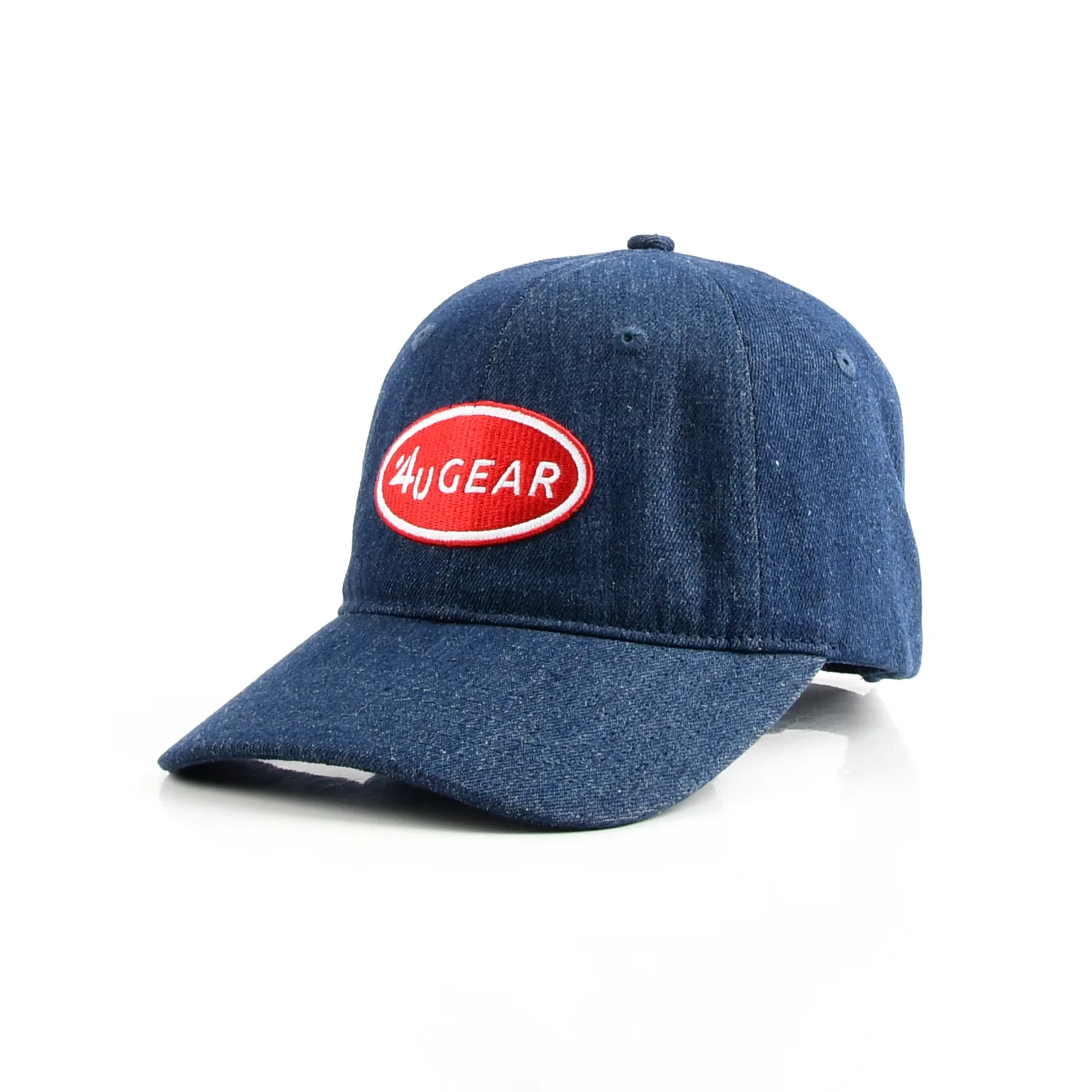
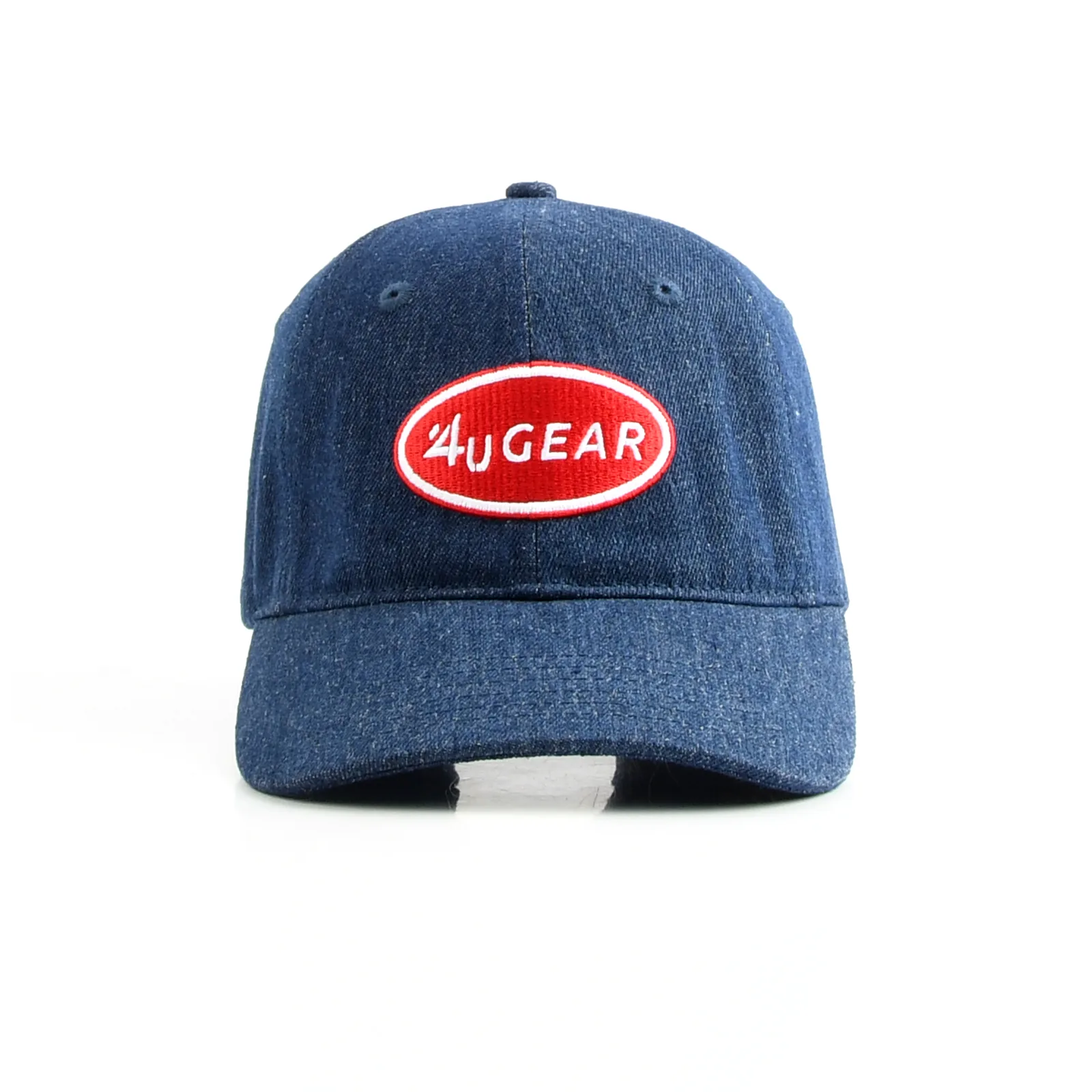
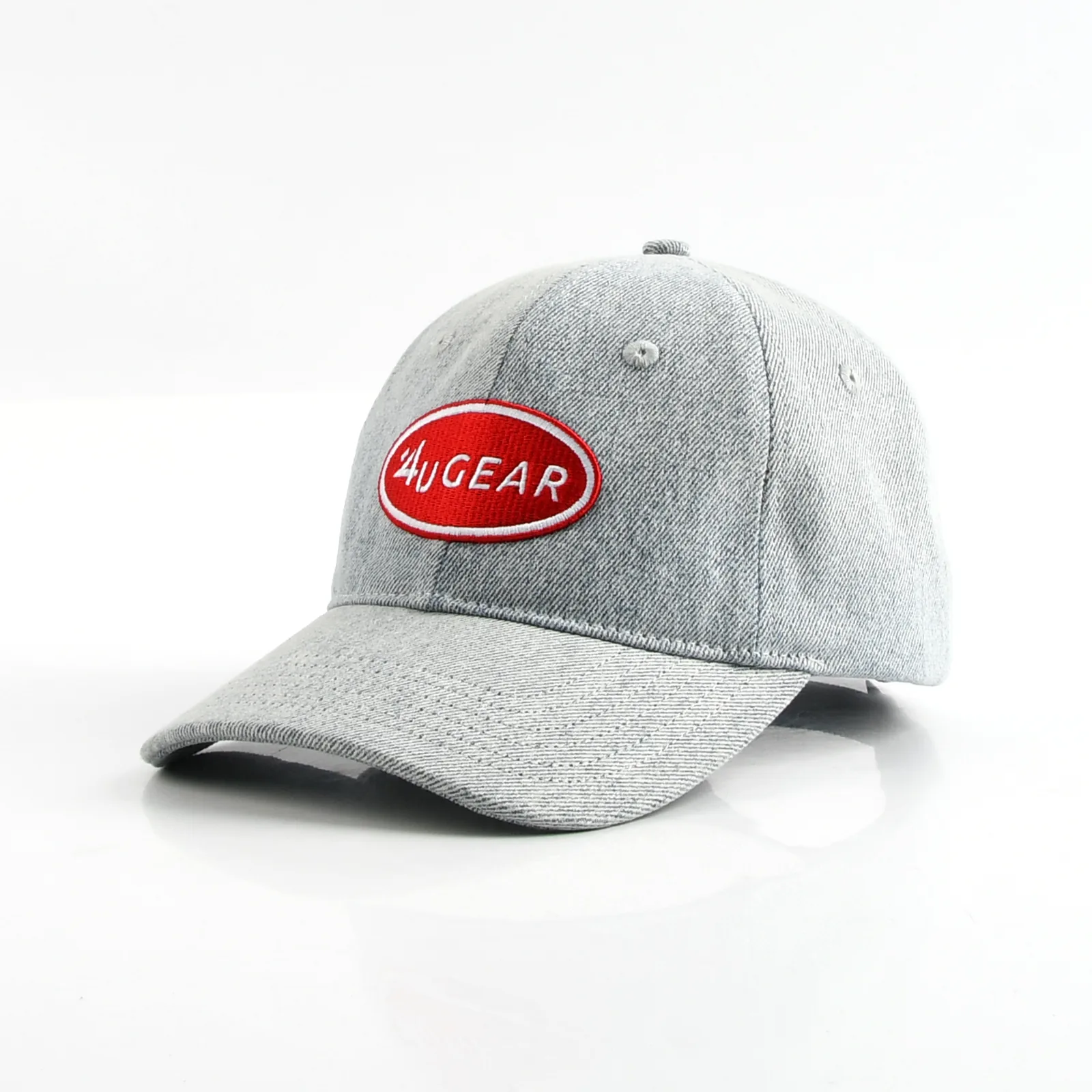
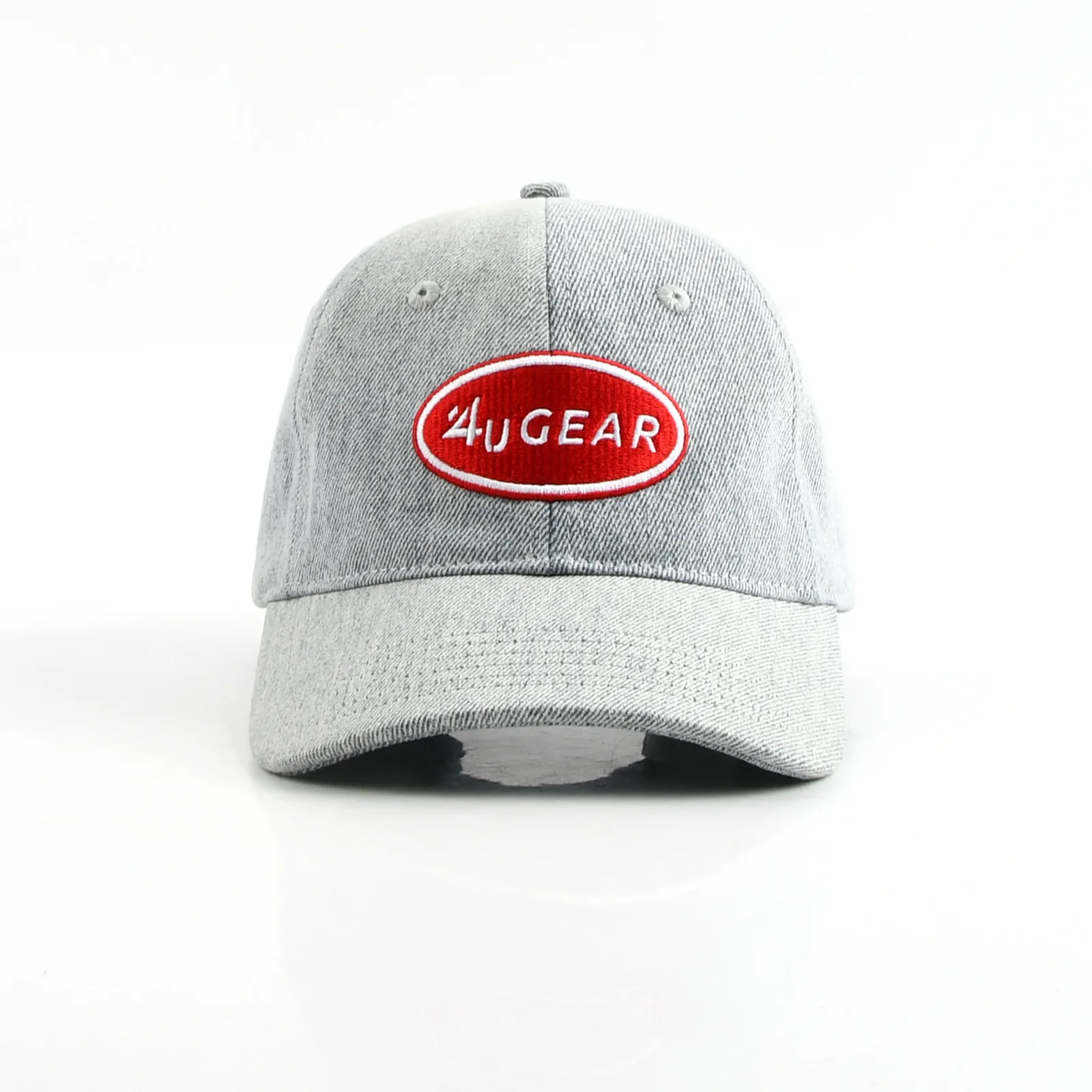
What the 2026 MLB All-Star Game Window Means for Headwear Buyers
The 2026 MLB All-Star Game and New Era collection route show how buyers can plan event-led cap capsules around timing, visual focus, channels, and controlled production execution.
The 2026 MLB All-Star Game creates a concentrated headwear opportunity: the official MLB event page puts the game, voting, roster, and ticket activity into one seasonal moment, while New Era maintains a dedicated MLB All-Star Game collection route. For brand buyers, the relevant lesson is not to imitate team merchandise. It is to understand how a short event window changes capsule planning, visual hierarchy, inventory discipline, and supplier communication.
Buyer decision: Treat an event-led cap as a dated operational program. The concept, sample, production release, channel plan, and post-event exit all need to be decided before the event story reaches its peak.
Why an All-Star moment matters to headwear buyers
All-Star programming concentrates attention, color language, team identity, city context, and limited-time retail intent. It is a useful case for any brand planning a tournament, music event, pop-up, city anniversary, or seasonal activation. The product needs to be recognizable quickly, yet controlled enough to produce and sell within a defined window.
Read official signals before making a product claim
The official MLB All-Star page establishes the event environment. New Era's dedicated All-Star Game page establishes a formal headwear collection route around the moment. Buyers should not treat event buzz as a complete brief. The production brief still needs a target customer, silhouette, quantity logic, channel plan, decoration hierarchy, and approval deadline.
| Event signal | Buyer question | Production response |
|---|---|---|
| Fixed event window | When must product arrive? | Back-plan sampling, approval, and freight. |
| High visual attention | What reads first? | Choose one hero color or decoration. |
| City and team context | What meaning is specific? | Assign local language to one controlled motif. |
| Multiple channels | Where will it sell? | Set SKU, pack, label, and replenishment logic early. |
Build a capsule around one hero decision
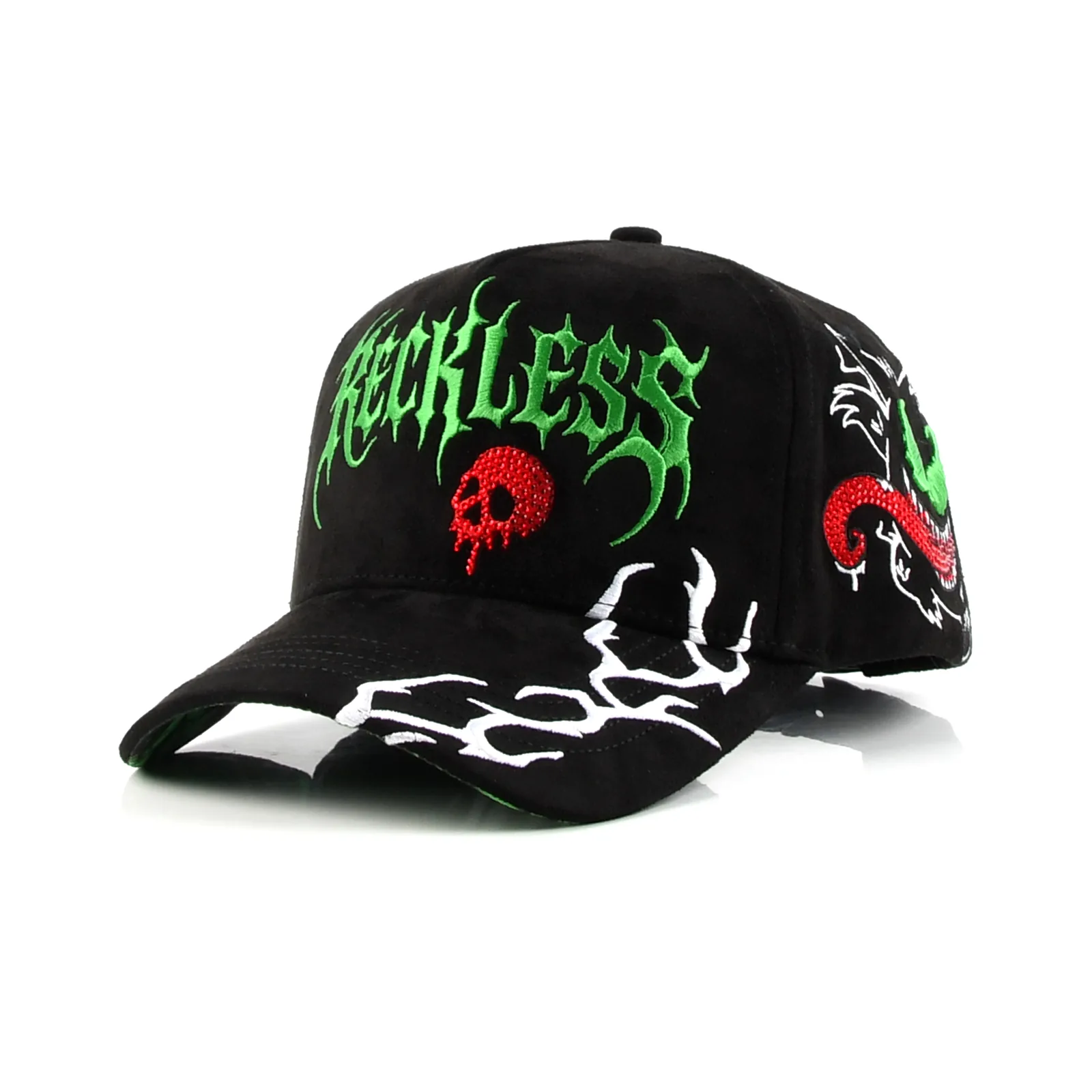
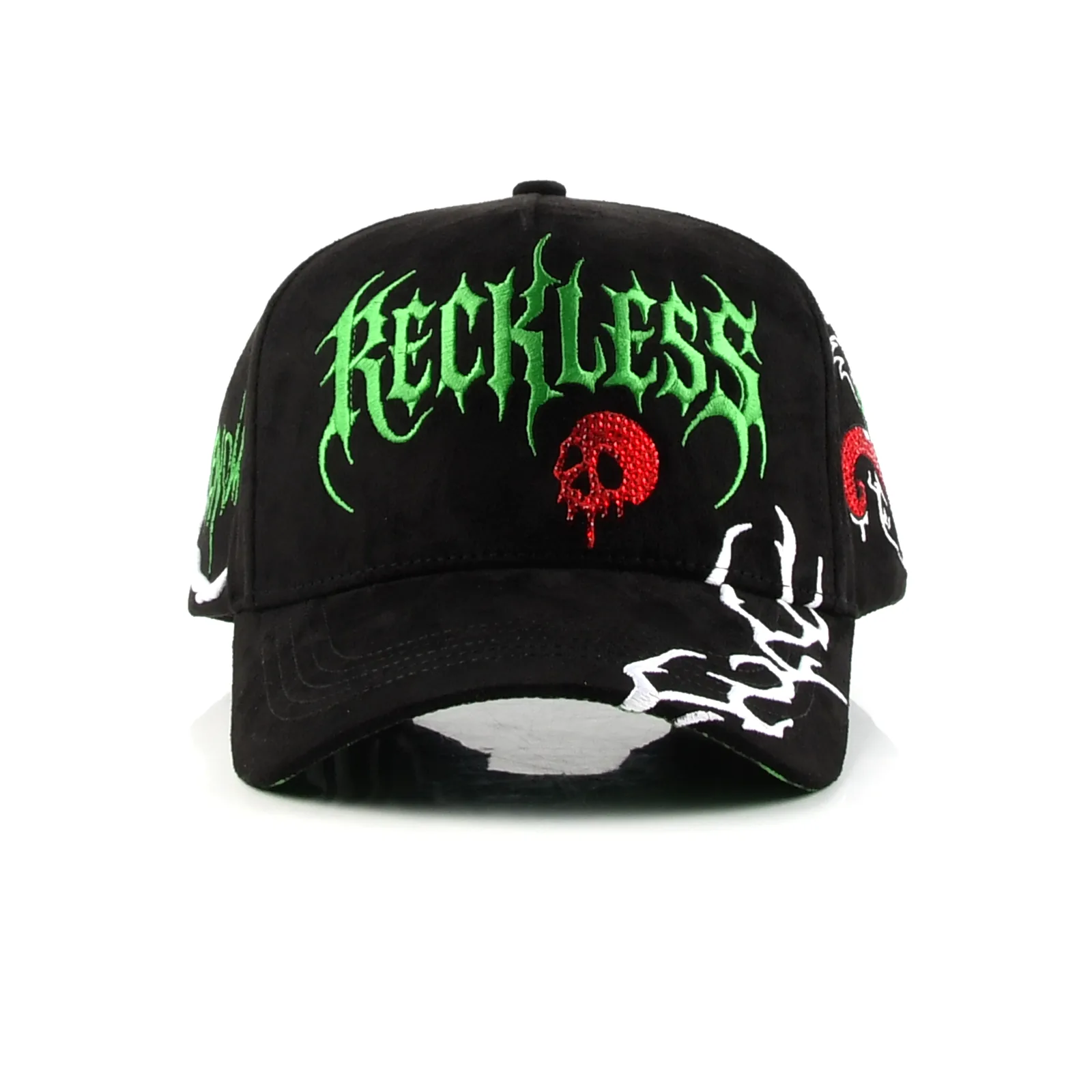
Event programs weaken when every surface tries to communicate. Choose one hero decision: a city color pair, a carefully placed event mark, a material contrast, or a limited patch. Then keep the cap body, interior labeling, and pack method coherent. The buyer should be able to describe the product in one sentence before approving the art.
Time sampling around the real launch window
A fixed event date makes late changes expensive because every decision competes with production, inspection, packing, and transport. Lock the cap body and core material first. Next approve decoration and color. Then use a pre-production reference to check the combined result. A supplier cannot recover a lost event window after a late final approval.
Buyer takeaway: In event-led headwear, calendar discipline is part of product quality. A good cap delivered after the moment has lost part of its value.
Separate collectible detail from operational complexity
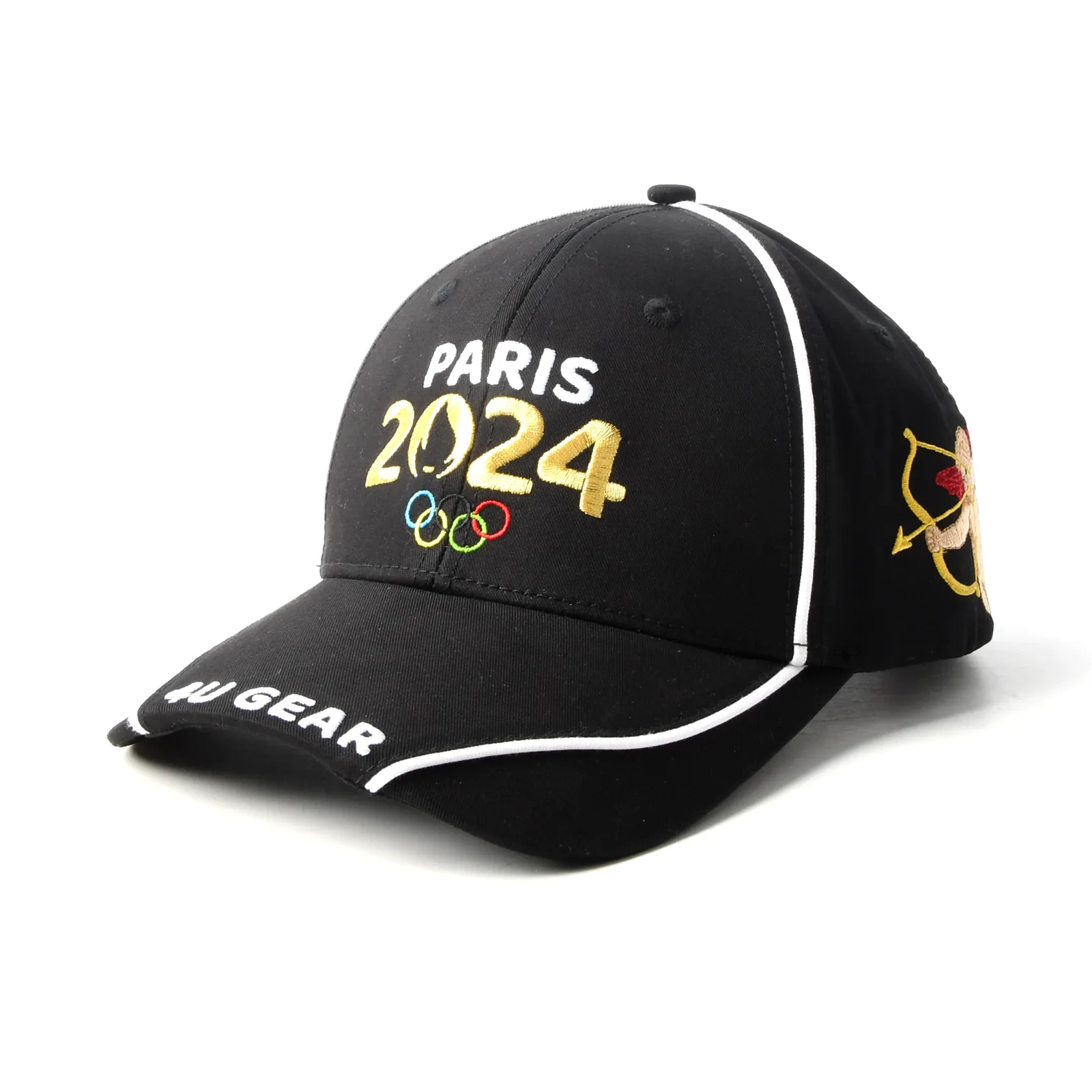
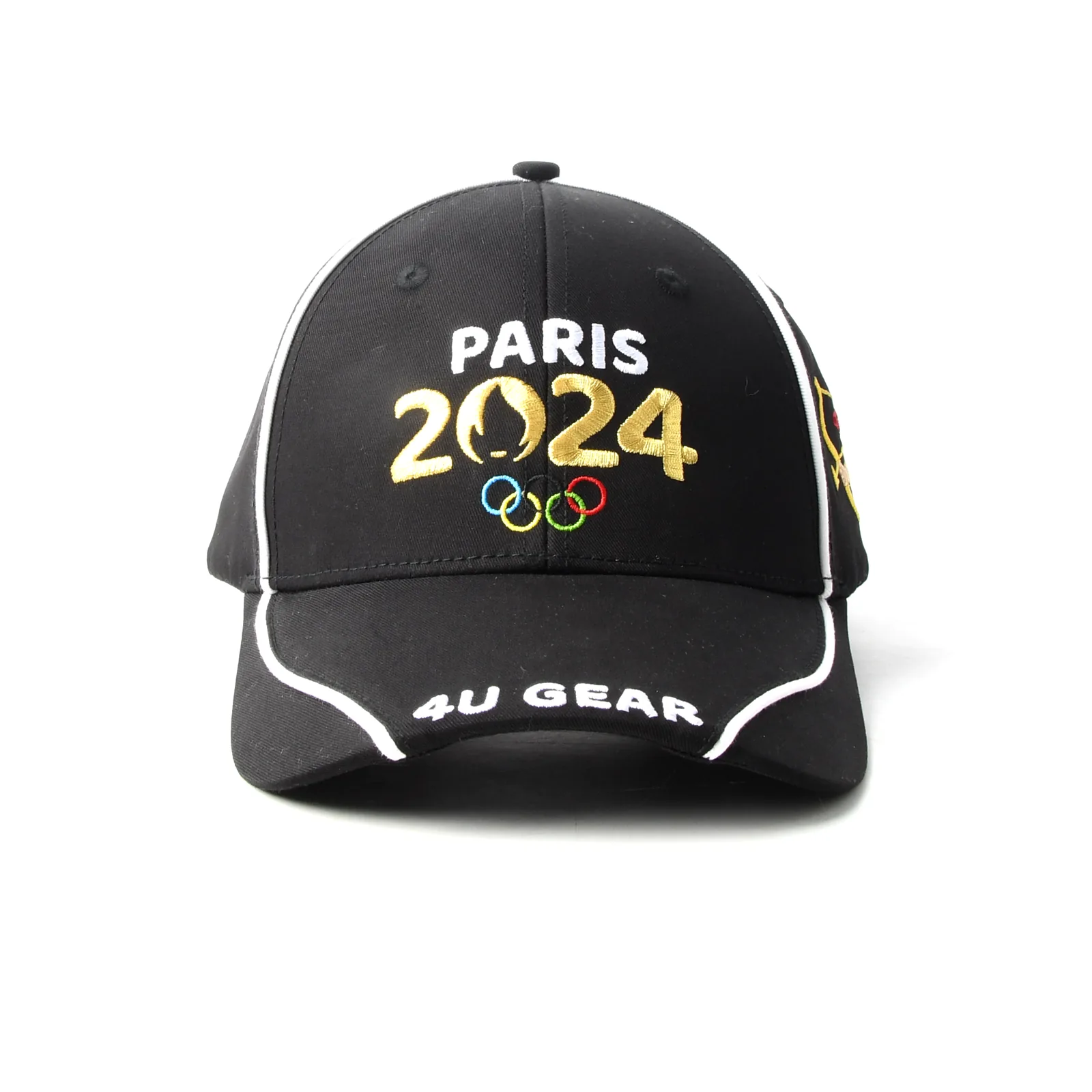
Collectors respond to details, but every detail has a production cost. Special patches, contrast underbills, metallic thread, custom labels, and unusual packaging may be valid choices; they should not all be mandatory at once. Rank them by story value and operational risk. A focused product often protects both margin and delivery.
Match the channel to product structure
A stadium or event-store product may need a different pack quantity and replenishment approach from an online release. Wholesale partners may need a clearer SKU architecture. State the channel before sampling because it affects target price, packaging, barcodes, carton marks, and the acceptable number of variants.
Event-cap buyer checklist
- Define the sales window and required arrival date.
- Choose one primary visual story.
- Lock silhouette, materials, and key components before expanding decoration.
- Use a written approval route for color and placement changes.
- Inspect first production units against the approved reference.
- Match pack, labels, and inventory logic to the actual channel.
- Decide what happens to remaining inventory after the event.
What brands should do next
Use the event signal to create a product plan, not a copy of a sports souvenir. Begin with the information needed before sampling, then map the development path through OEM and ODM headwear services. The goal is a timely capsule that still meets normal standards for fit, decoration, inspection, and delivery.
Recap: The 2026 All-Star window is a reminder that event headwear succeeds when the story is narrow, the calendar is real, and the supplier has a stable approval file before bulk production begins.
FAQ
Should a small brand create an event cap with many special details?
Only when the details serve one clear story and the delivery window supports the added complexity. Start with what customers will recognize.
When should an event cap enter sampling?
Start early enough to allow material confirmation, decoration review, a pre-production reference, and a first-output check before the selling window.
Is a city motif necessary for an event-led cap?
Not always. It is useful when it makes the release specific without overwhelming the main brand message.
What supplier brief matters most?
The brief that connects sales date, approved silhouette, decoration standard, packaging, and channel plan in one controlled version.